
PRODUCTS CENTER
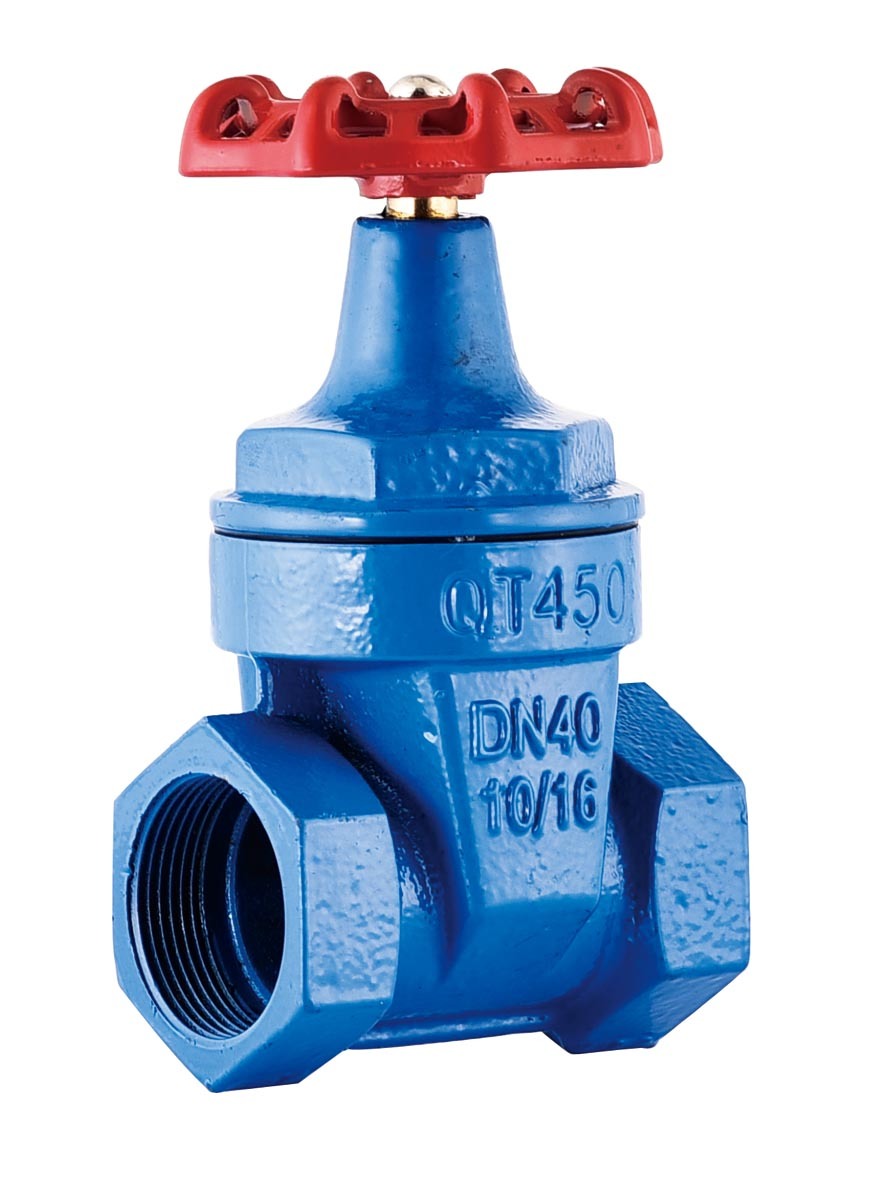
The threaded soft seal gate valve is a substitute for traditional threaded iron gate valves and copper ball valves. It has the following characteristics: 1. Traditional gate valves have recesses at the bottom of the inner cavity, which easily cause debris accumulation and prevent them from closing tightly, causing water leakage. The threaded soft seal gate valve has a flat bottom without any recesses, allowing for unimpeded fluid flow and preventing debris accumulation. 2. The gate valve uses a fully enclosed food-grade rubber gate plate, which is complete, smooth, beautiful, meets drinking water hygiene requirements, has reliable sealing performance, and is leak-free. 3. The valve body is coated with a sanitary-grade resin, enhancing its corrosion resistance, making it environmentally friendly, beautiful, and long-lasting, without secondary pollution of the medium. 4. The outer surface is sprayed with a non-toxic epoxy resin paint, which is beautiful and corrosion-resistant.
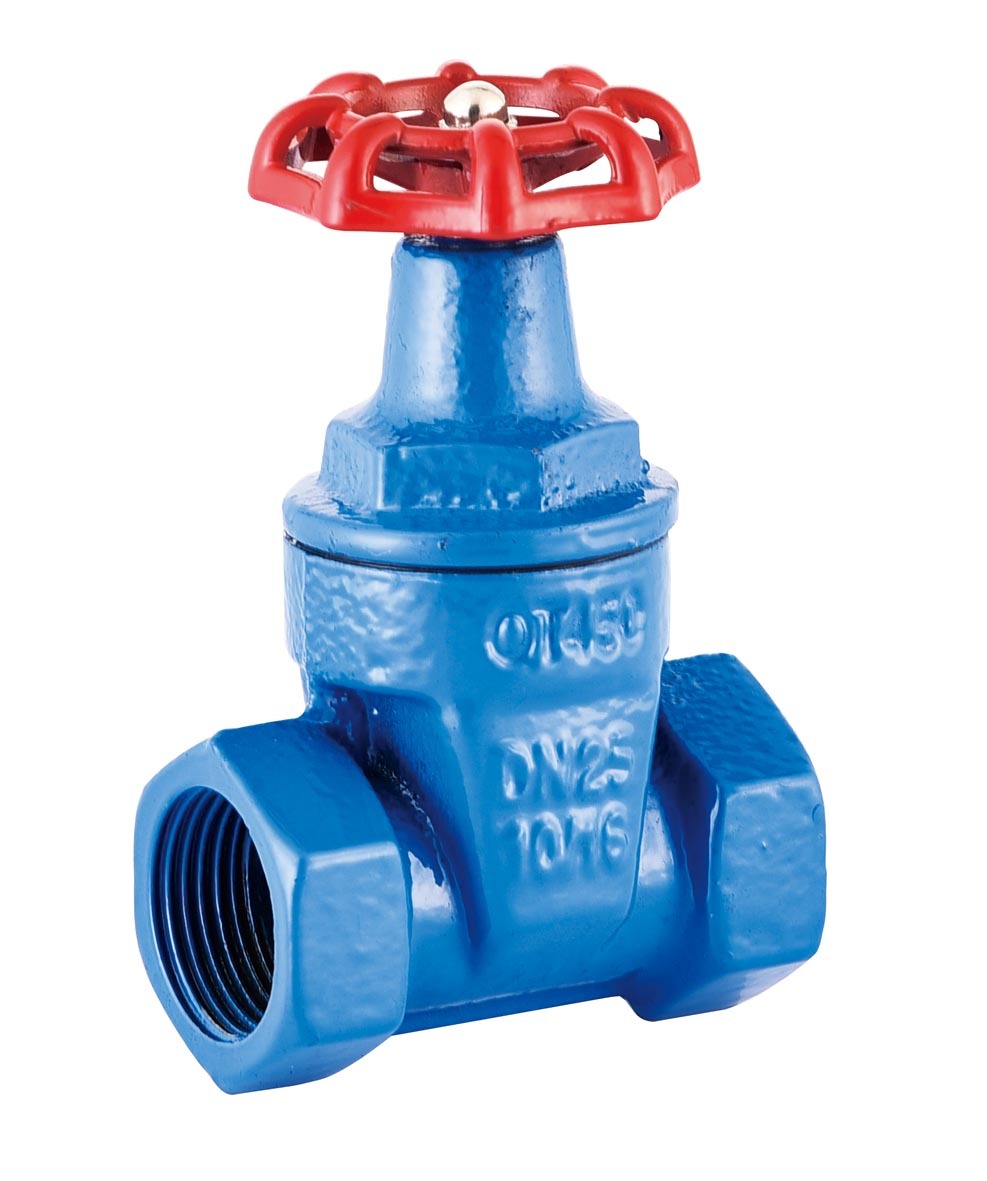
The threaded soft seal gate valve is a substitute for traditional threaded iron gate valves and copper ball valves. It has the following characteristics: 1. Traditional gate valves have recesses at the bottom of the inner cavity, which easily cause debris accumulation and prevent them from closing tightly, causing water leakage. The threaded soft seal gate valve has a flat bottom without any recesses, allowing for unimpeded fluid flow and preventing debris accumulation. 2. The gate valve uses a fully enclosed food-grade rubber gate plate, which is complete, smooth, beautiful, meets drinking water hygiene requirements, has reliable sealing performance, and is leak-free. 3. The valve body is coated with a sanitary-grade resin, enhancing its corrosion resistance, making it environmentally friendly, beautiful, and long-lasting, without secondary pollution of the medium. 4. The outer surface is sprayed with a non-toxic epoxy resin paint, which is beautiful and corrosion-resistant.
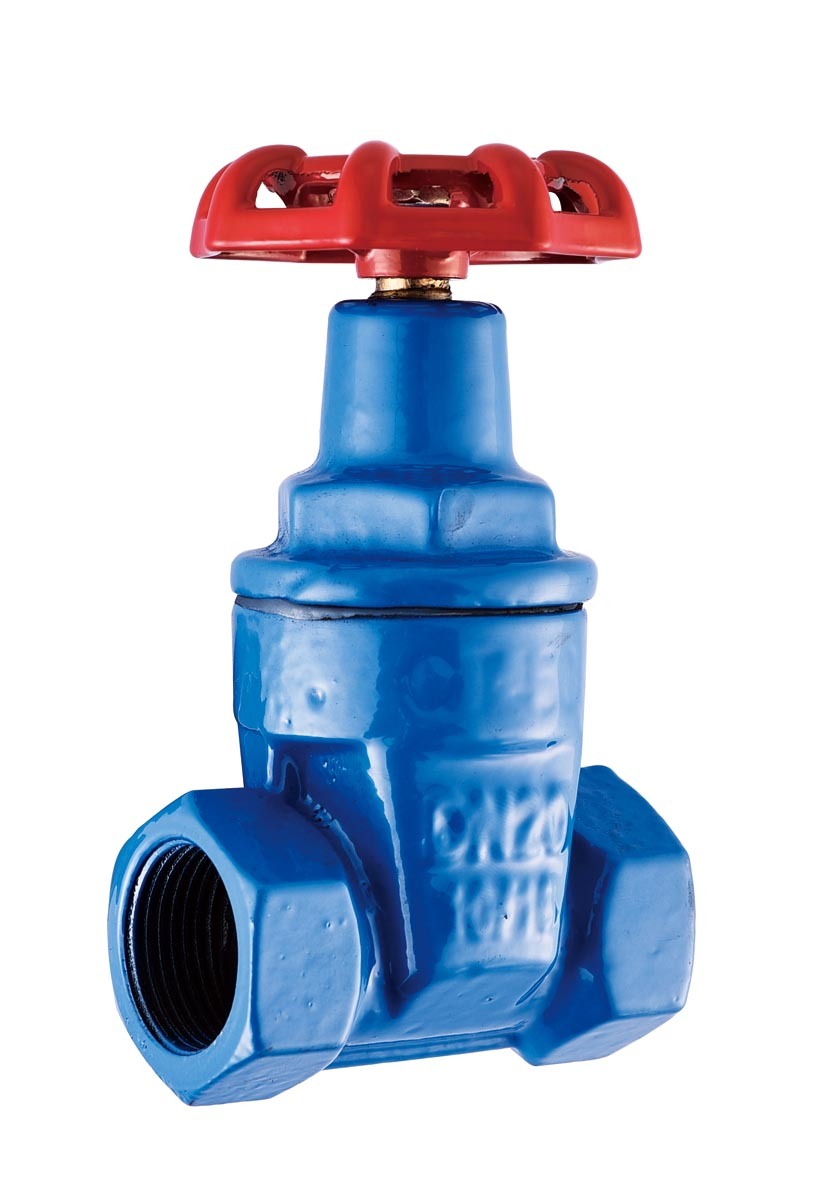
The threaded soft seal gate valve is a substitute for traditional threaded iron gate valves and copper ball valves. It has the following characteristics: 1. Traditional gate valves have recesses at the bottom of the inner cavity, which easily cause debris accumulation and prevent them from closing tightly, causing water leakage. The threaded soft seal gate valve has a flat bottom without any recesses, allowing for unimpeded fluid flow and preventing debris accumulation. 2. The gate valve uses a fully enclosed food-grade rubber gate plate, which is complete, smooth, beautiful, meets drinking water hygiene requirements, has reliable sealing performance, and is leak-free. 3. The valve body is coated with a sanitary-grade resin, enhancing its corrosion resistance, making it environmentally friendly, beautiful, and long-lasting, without secondary pollution of the medium. 4. The outer surface is sprayed with a non-toxic epoxy resin paint, which is beautiful and corrosion-resistant.
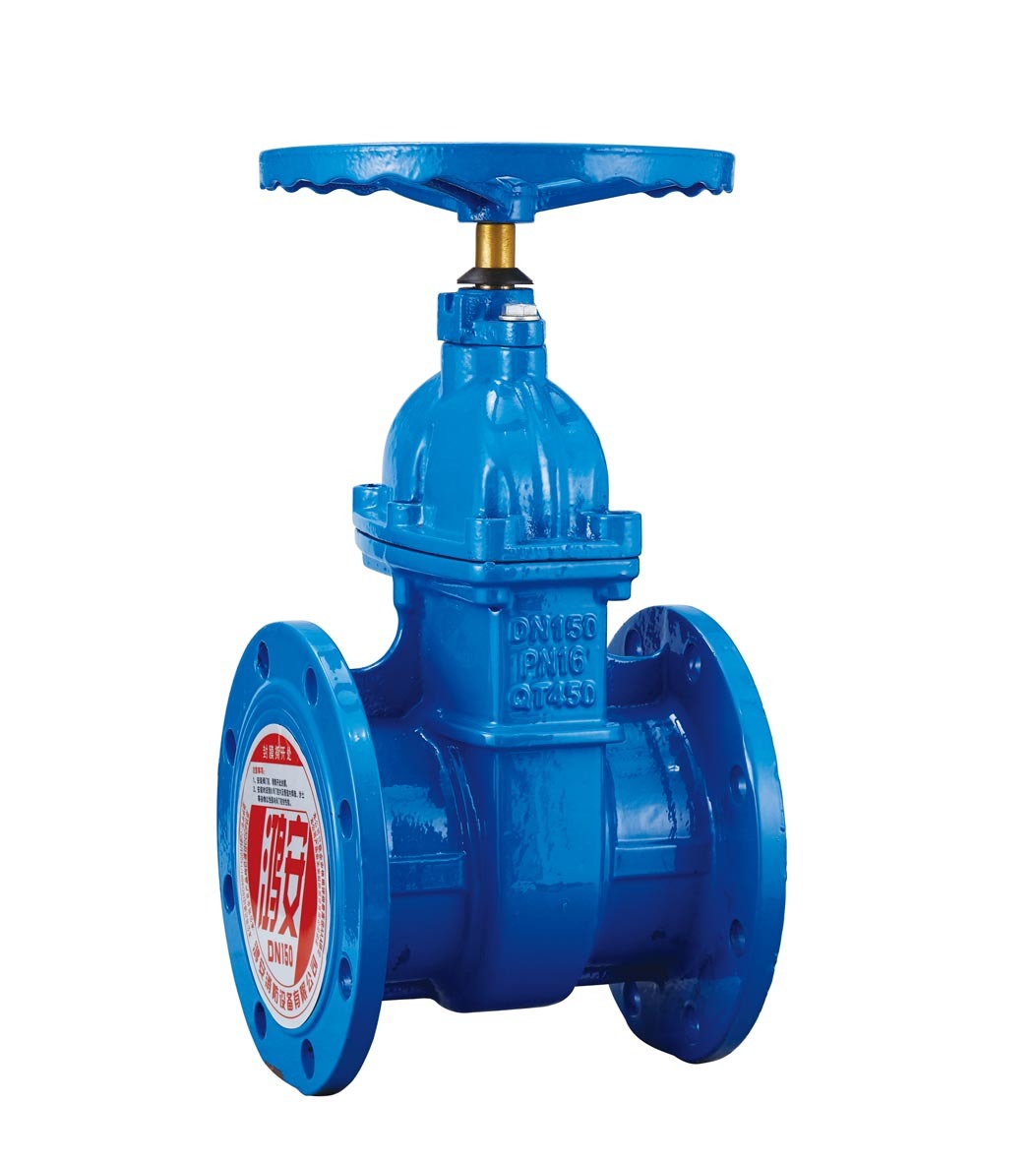
Protective gate valves, also known as civil air defense protective valves, are made of copper core and copper gate valve materials. They include visible stem copper core copper stem protective valves and hidden stem copper core copper stem protective valves. These valves use a gate (the closing member) driven by a valve stem to move up and down along the sealing surface of the valve seat, connecting or cutting off the fluid channel. Gate valves have low flow resistance and require little effort to open and close, making them widely used for opening and closing civil air defense pipelines. When a gate valve is partially open, vortices are generated behind the gate, which can cause erosion and vibration of the gate and damage the sealing surface of the valve seat, making repairs difficult. Therefore, protective gate valves use copper core sealing to prevent corrosion and maintain smooth opening and closing.
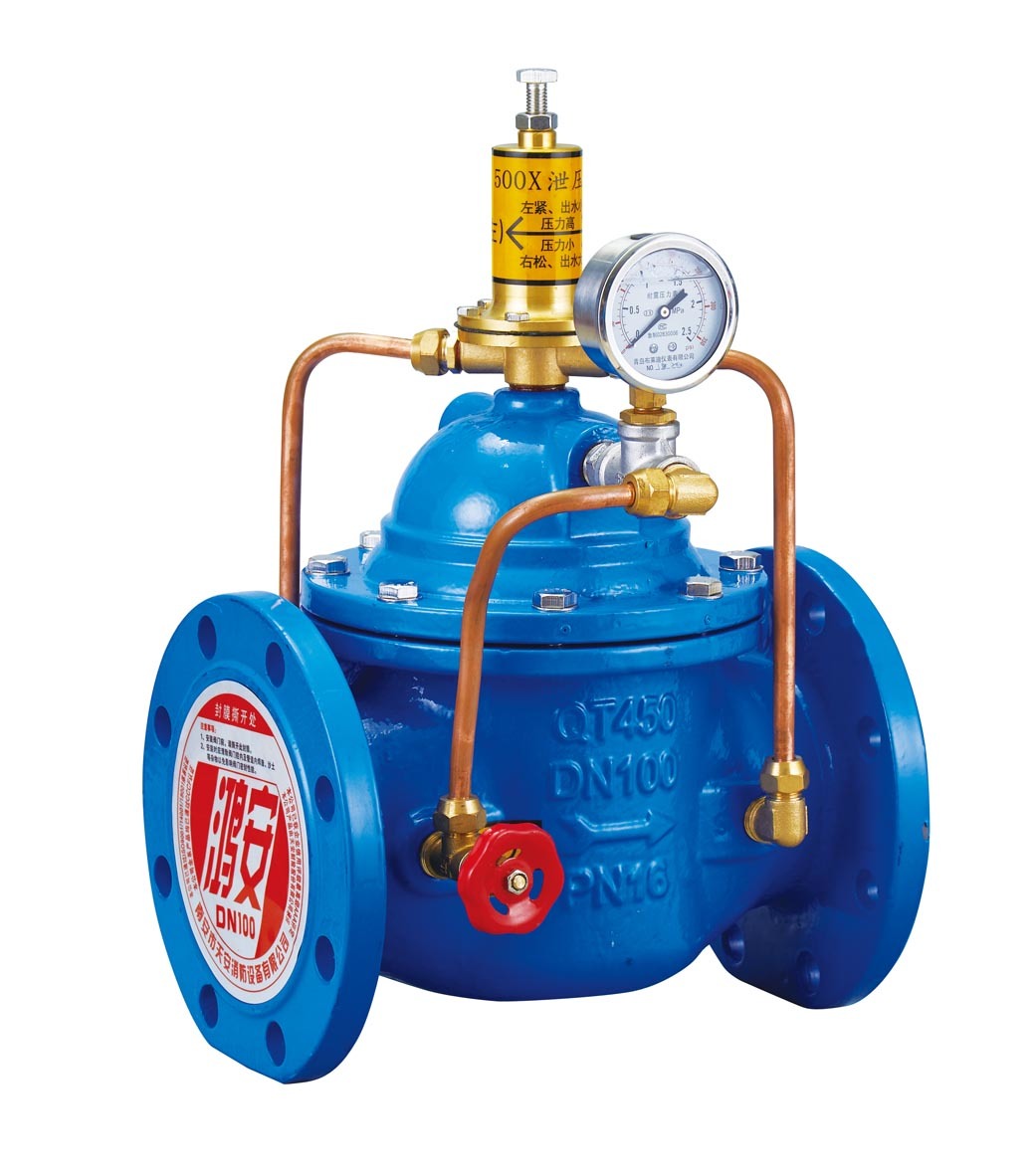
This valve consists of a main valve and an externally mounted control pilot valve. It is mainly installed in the bypass of the protected water supply system of a building to ensure the pressure in the upstream water supply area of the main valve. When the pressure in the water supply pipe exceeds the set pressure of the pressure relief valve, the pressure relief valve opens to prevent damage to the pipeline and equipment due to overpressure. This valve is mainly used for pressure relief in high-rise building fire test circulation systems and is an upgraded replacement for spring-type safety valves.
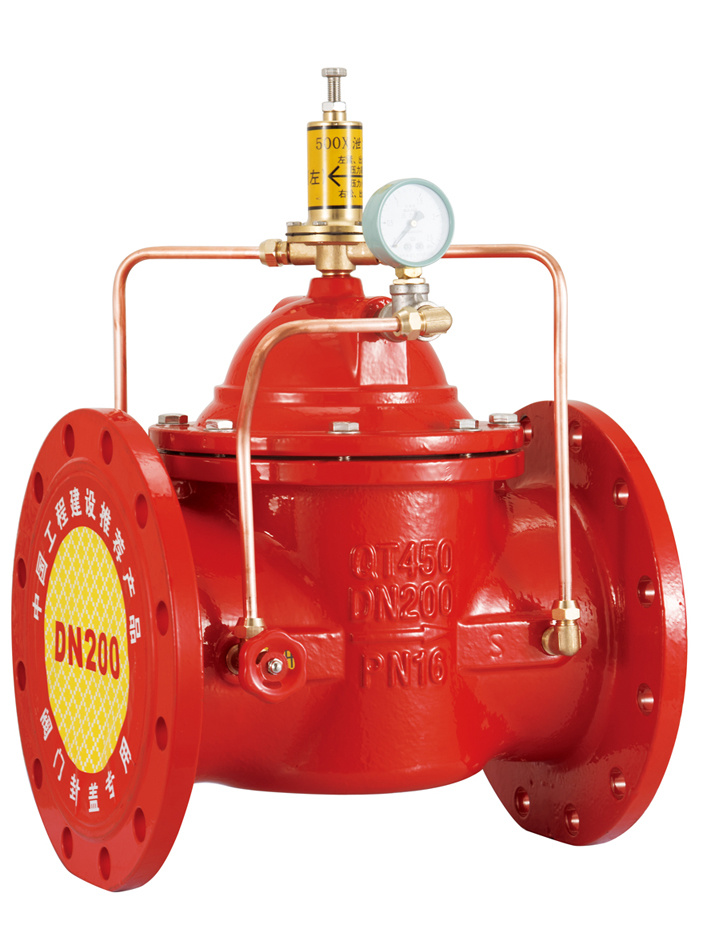
This valve consists of a main valve and an externally mounted control pilot valve. It is mainly installed in the bypass of the protected water supply system of a building to ensure the pressure in the upstream water supply area of the main valve. When the pressure in the water supply pipe exceeds the set pressure of the pressure relief valve, the pressure relief valve opens to prevent damage to the pipeline and equipment due to overpressure. This valve is mainly used for pressure relief in high-rise building fire test circulation systems and is an upgraded replacement for spring-type safety valves.
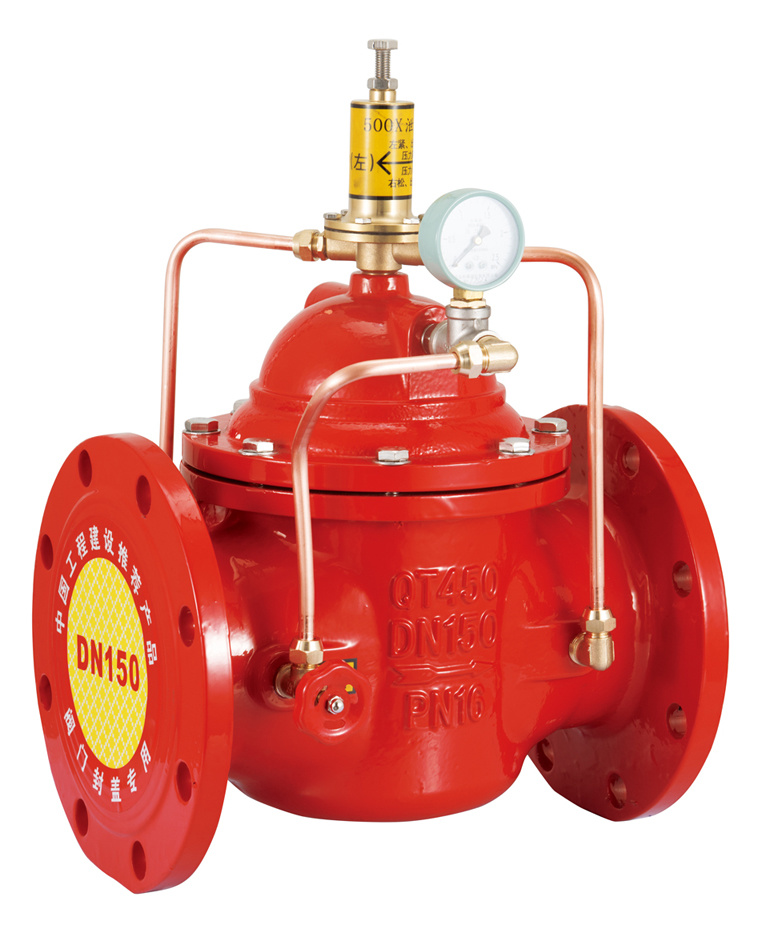
This valve consists of a main valve and an externally mounted control pilot valve. It is mainly installed in the bypass of the protected water supply system of a building to ensure the pressure in the upstream water supply area of the main valve. When the pressure in the water supply pipe exceeds the set pressure of the pressure relief valve, the pressure relief valve opens to prevent damage to the pipeline and equipment due to overpressure. This valve is mainly used for pressure relief in high-rise building fire test circulation systems and is an upgraded replacement for spring-type safety valves.
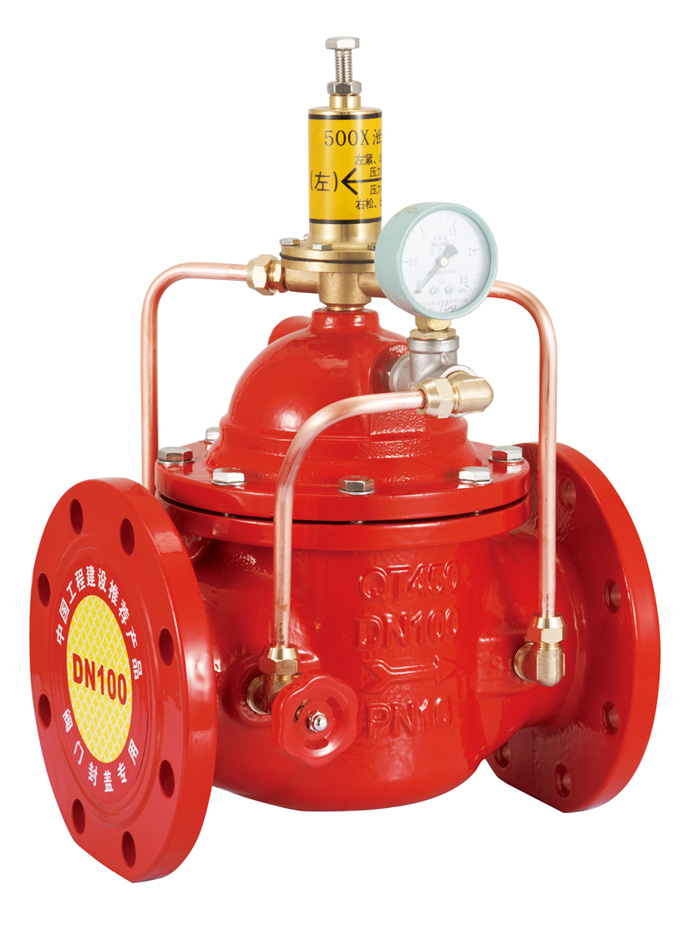
This valve consists of a main valve and an externally mounted control pilot valve. It is mainly installed in the bypass of the protected water supply system of a building to ensure the pressure in the upstream water supply area of the main valve. When the pressure in the water supply pipe exceeds the set pressure of the pressure relief valve, the pressure relief valve opens to prevent damage to the pipeline and equipment due to overpressure. This valve is mainly used for pressure relief in high-rise building fire test circulation systems and is an upgraded replacement for spring-type safety valves.
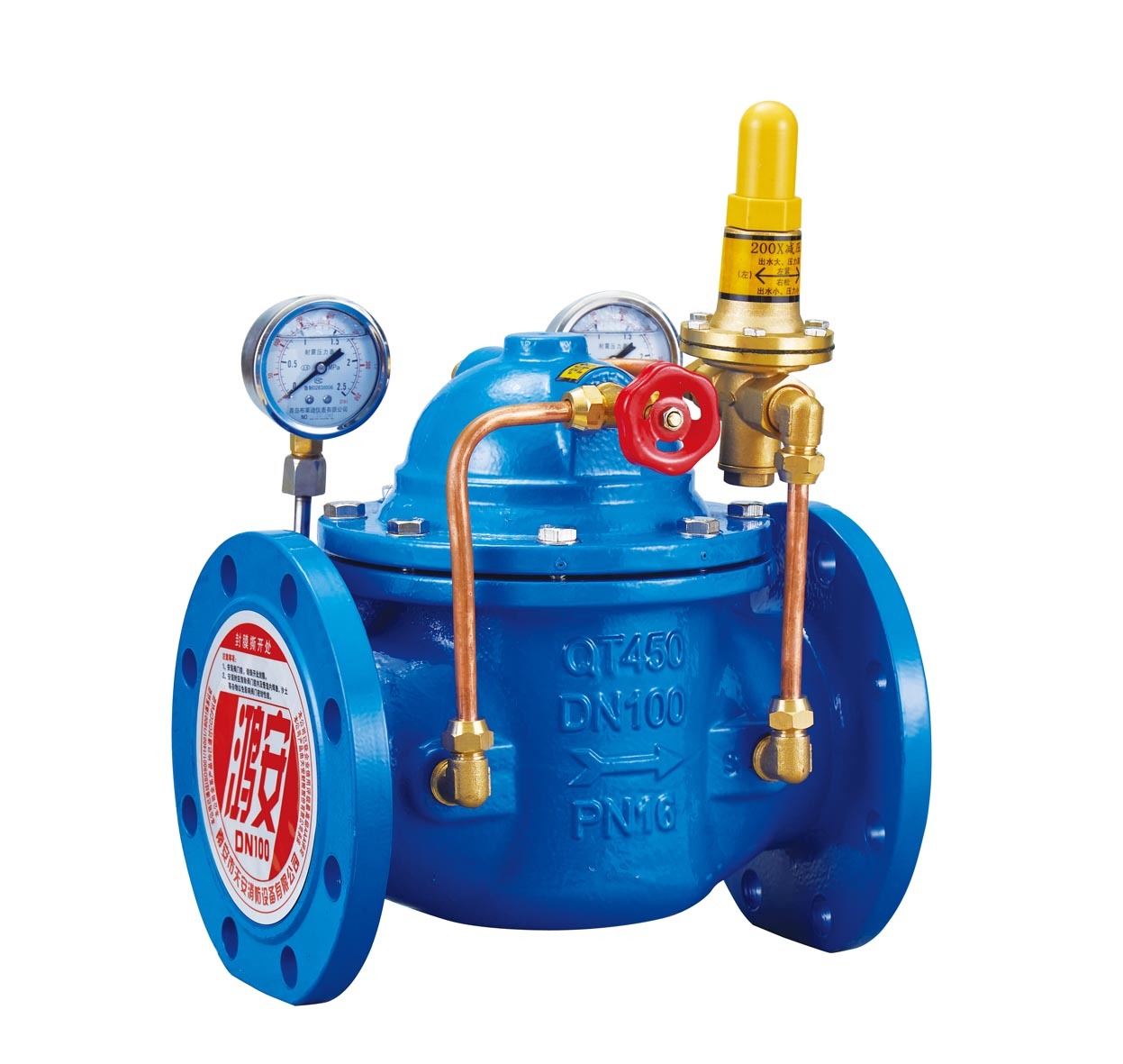
The pressure reducing valve divides the water flow into upstream and downstream sections with different pressures. It supplies water downstream at a user-set pressure, and the water supply pressure is not affected by fluctuations in inlet pressure or changes in outlet flow, as the pressure reducing valve sets the downstream pressure value. Its installation improves the pressure difference between different areas of the same system, completely replacing the traditional zoned water supply method, significantly reducing engineering costs, increasing building usable area, and improving water use efficiency. This product is designed for high-rise and super-high-rise buildings and is an ideal product for solving the high flow rate and high sensitivity requirements in the domestic water and fire water systems of high-rise buildings. Its performance is superior, completely replacing intermediate water tanks, saving the cost of water tanks in buildings, and expanding the usable area of buildings.
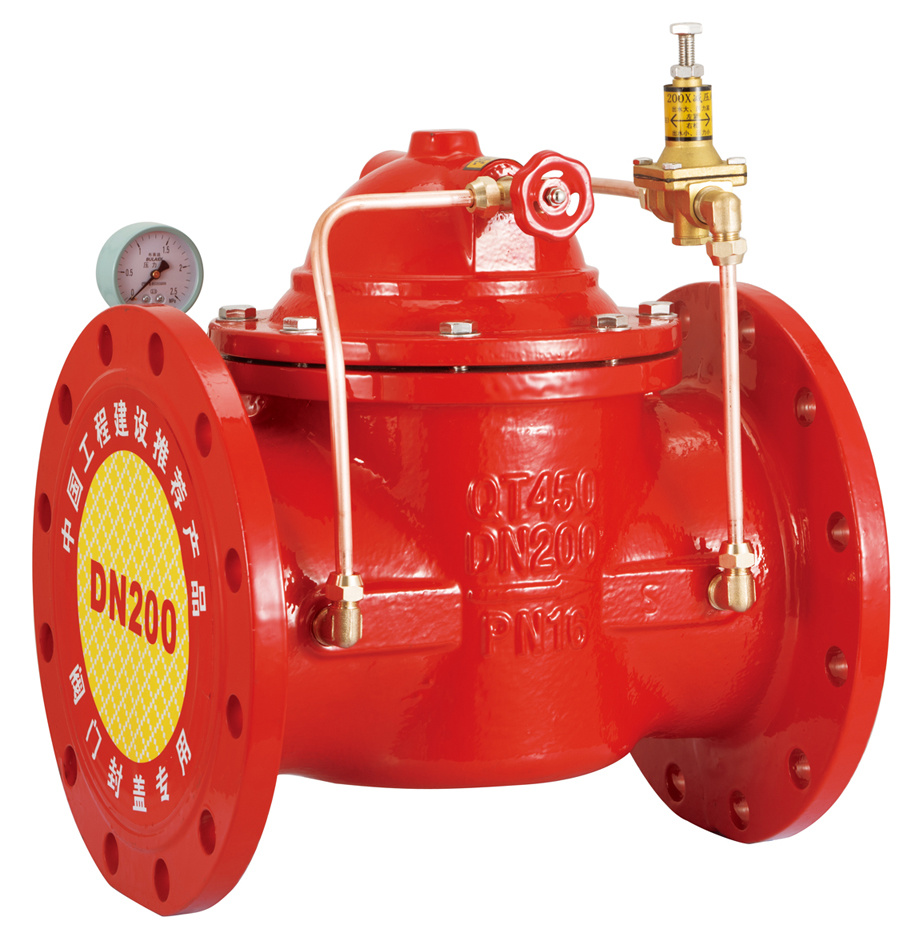
The pressure reducing valve divides the water flow into upstream and downstream sections with different pressures. It supplies water downstream at a user-set pressure, and the water supply pressure is not affected by fluctuations in inlet pressure or changes in outlet flow, as the pressure reducing valve sets the downstream pressure value. Its installation improves the pressure difference between different areas of the same system, completely replacing the traditional zoned water supply method, significantly reducing engineering costs, increasing building usable area, and improving water use efficiency. This product is designed for high-rise and super-high-rise buildings and is an ideal product for solving the high flow rate and high sensitivity requirements in the domestic water and fire water systems of high-rise buildings. Its performance is superior, completely replacing intermediate water tanks, saving the cost of water tanks in buildings, and expanding the usable area of buildings.
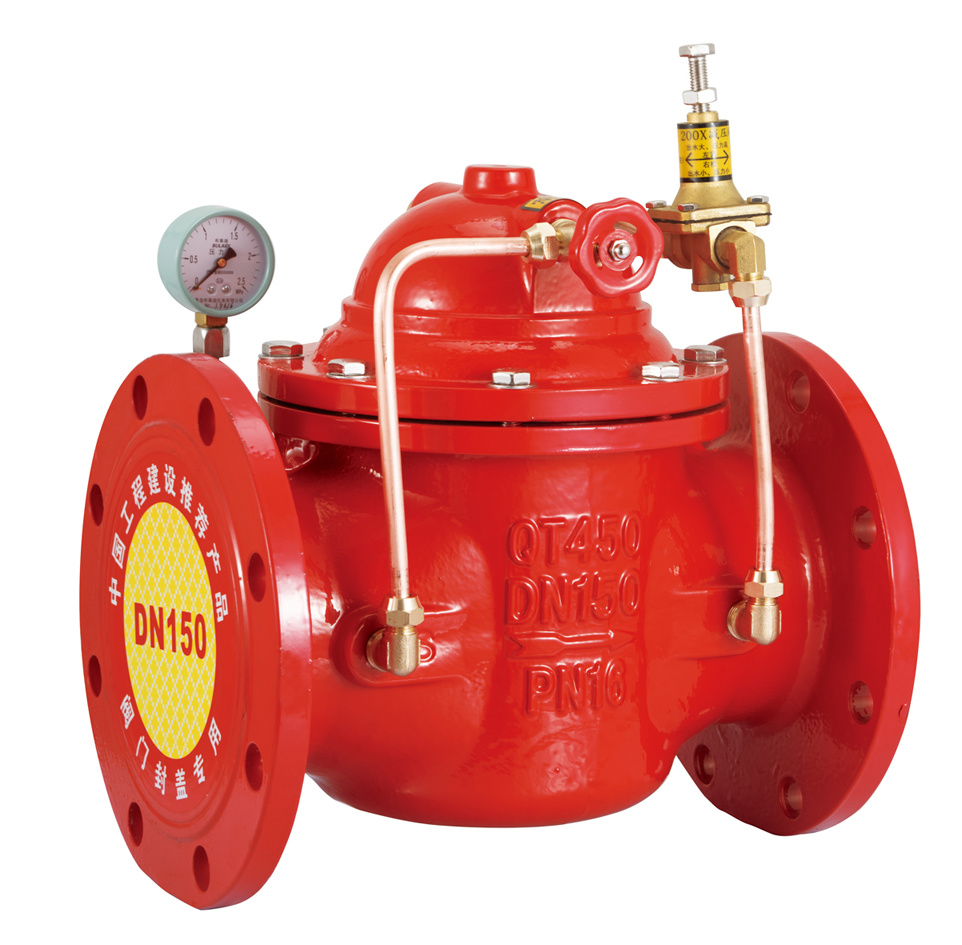
The pressure reducing valve divides the water flow into upstream and downstream sections with different pressures. It supplies water downstream at a user-set pressure, and the water supply pressure is not affected by fluctuations in inlet pressure or changes in outlet flow, as the pressure reducing valve sets the downstream pressure value. Its installation improves the pressure difference between different areas of the same system, completely replacing the traditional zoned water supply method, significantly reducing engineering costs, increasing building usable area, and improving water use efficiency. This product is designed for high-rise and super-high-rise buildings and is an ideal product for solving the high flow rate and high sensitivity requirements in the domestic water and fire water systems of high-rise buildings. Its performance is superior, completely replacing intermediate water tanks, saving the cost of water tanks in buildings, and expanding the usable area of buildings.
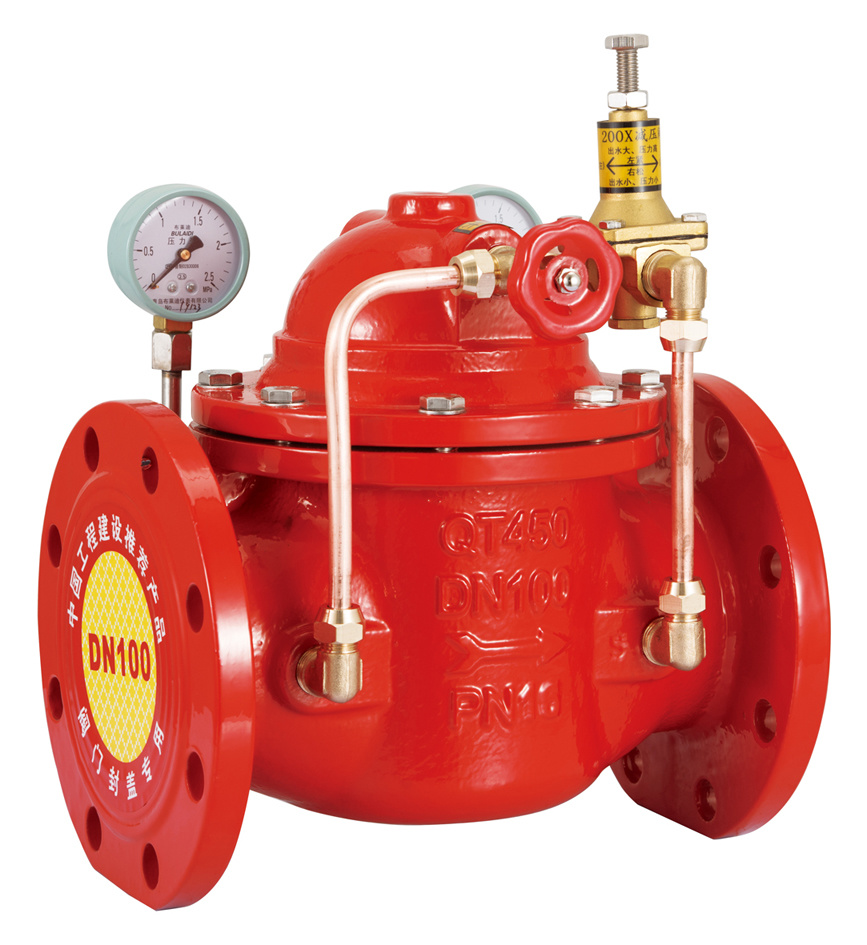
The pressure reducing valve divides the water flow into upstream and downstream sections with different pressures. It supplies water downstream at a user-set pressure, and the water supply pressure is not affected by fluctuations in inlet pressure or changes in outlet flow, as the pressure reducing valve sets the downstream pressure value. Its installation improves the pressure difference between different areas of the same system, completely replacing the traditional zoned water supply method, significantly reducing engineering costs, increasing building usable area, and improving water use efficiency. This product is designed for high-rise and super-high-rise buildings and is an ideal product for solving the high flow rate and high sensitivity requirements in the domestic water and fire water systems of high-rise buildings. Its performance is superior, completely replacing intermediate water tanks, saving the cost of water tanks in buildings, and expanding the usable area of buildings.
Hongan Fire Equipment Co., Ltd.
No. 101, Nantong Road, Ximei Street, Nan'an City, Quanzhou City, Fujian Province
