
PRODUCTS CENTER
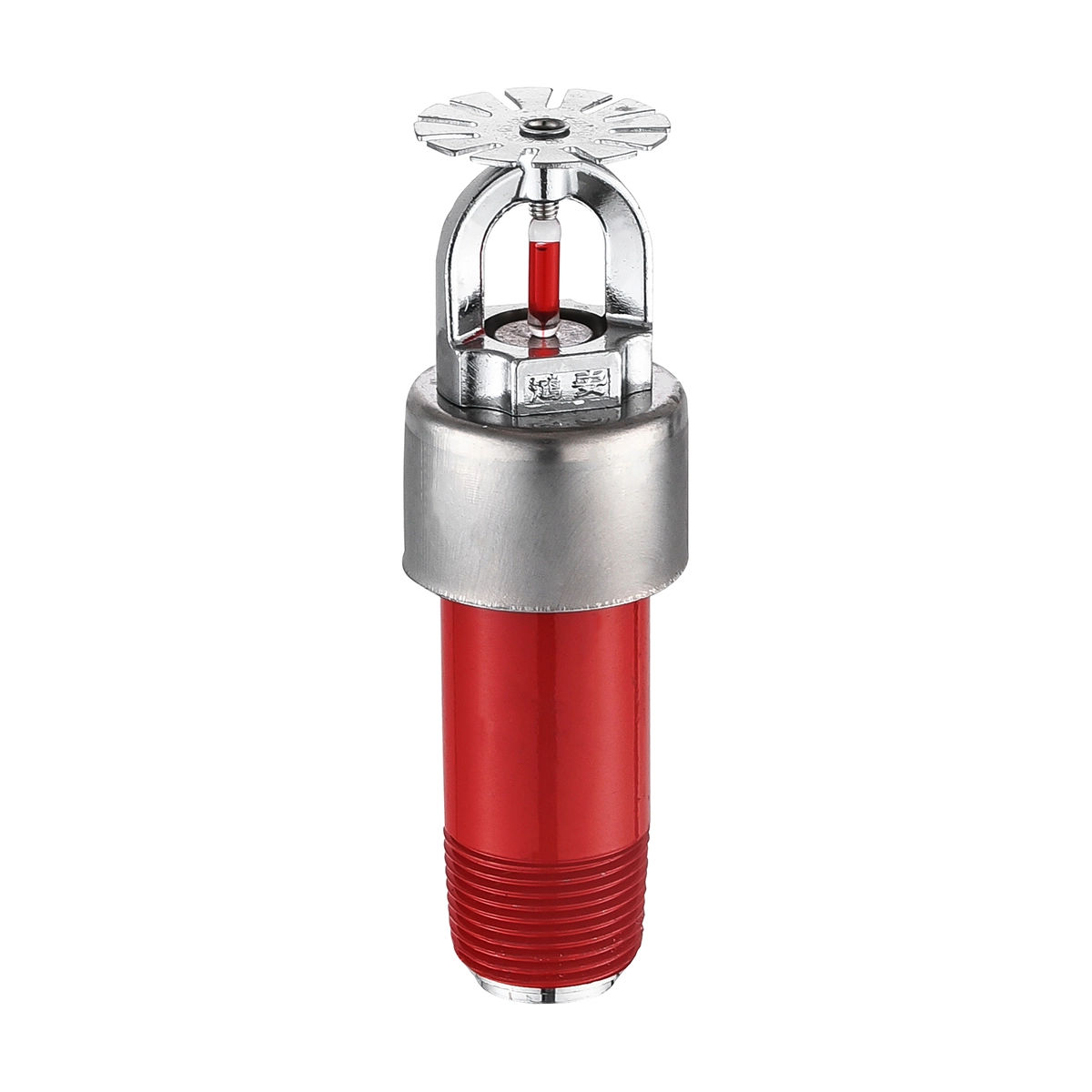
Standard response dry sprinklers use 5mm diameter glass bulbs, while quick response sprinklers use 3mm diameter glass bulbs. They are divided into three types: upright, pendant, and horizontal side spray. Typical applications for dry sprinklers include: 1. Locations where pendant sprinklers are required for dry systems. 2. Locations in wet systems where sprinklers and their connecting pipes may be exposed to unheated areas. 3. Locations where the fire system needs to be shut down seasonally and the pipe network must be drained to prevent freezing (e.g., buildings in tourist and resort areas that are not in operation during the winter, where the fire system must be drained to prevent freezing).
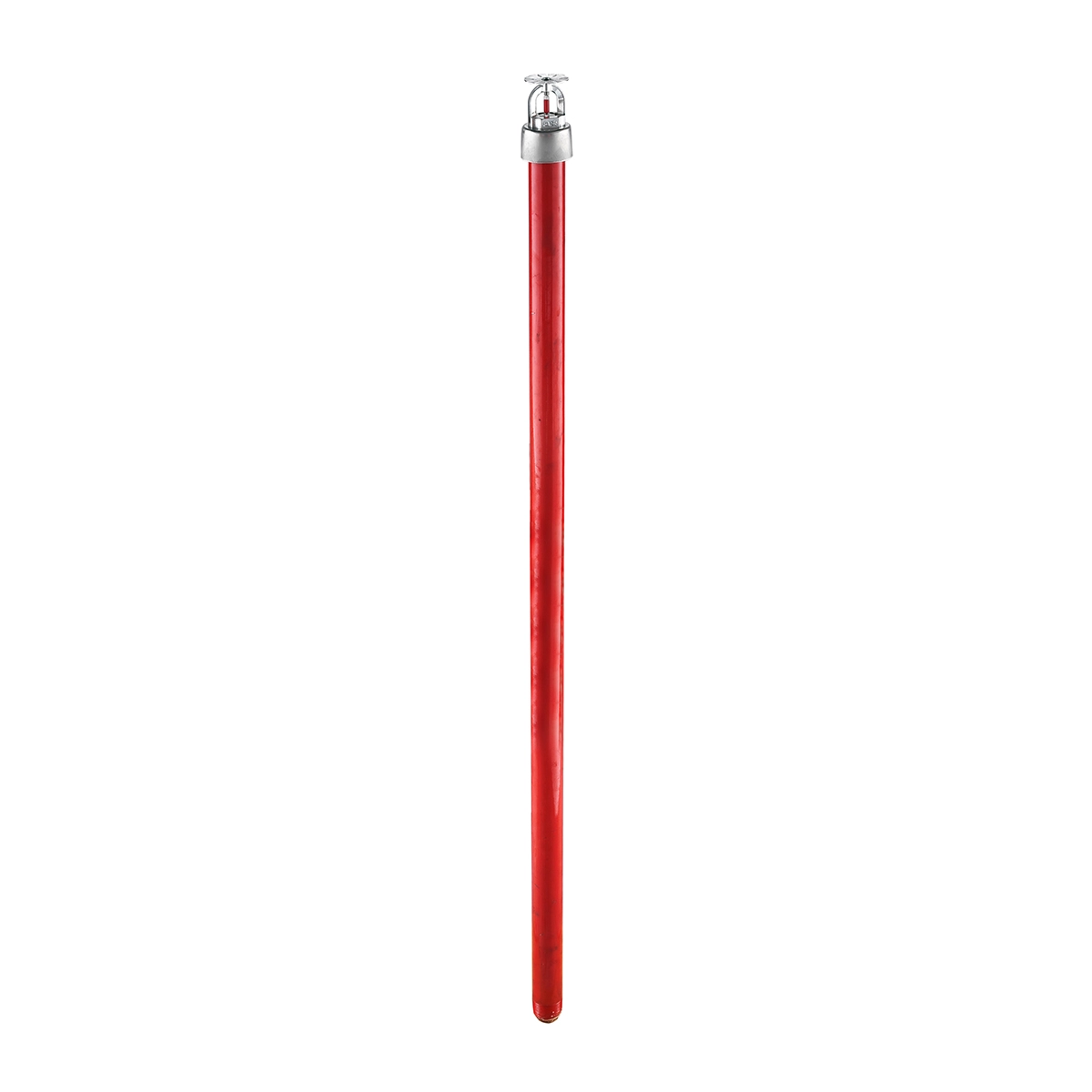
Standard response dry sprinklers use 5mm diameter glass bulbs, while quick response sprinklers use 3mm diameter glass bulbs. They are divided into three types: upright, pendant, and horizontal side spray. Typical applications for dry sprinklers include: 1. Locations where pendant sprinklers are required for dry systems. 2. Locations in wet systems where sprinklers and their connecting pipes may be exposed to unheated areas. 3. Locations where the fire system needs to be shut down seasonally and the pipe network must be drained to prevent freezing (e.g., buildings in tourist and resort areas that are not in operation during the winter, where the fire system must be drained to prevent freezing).
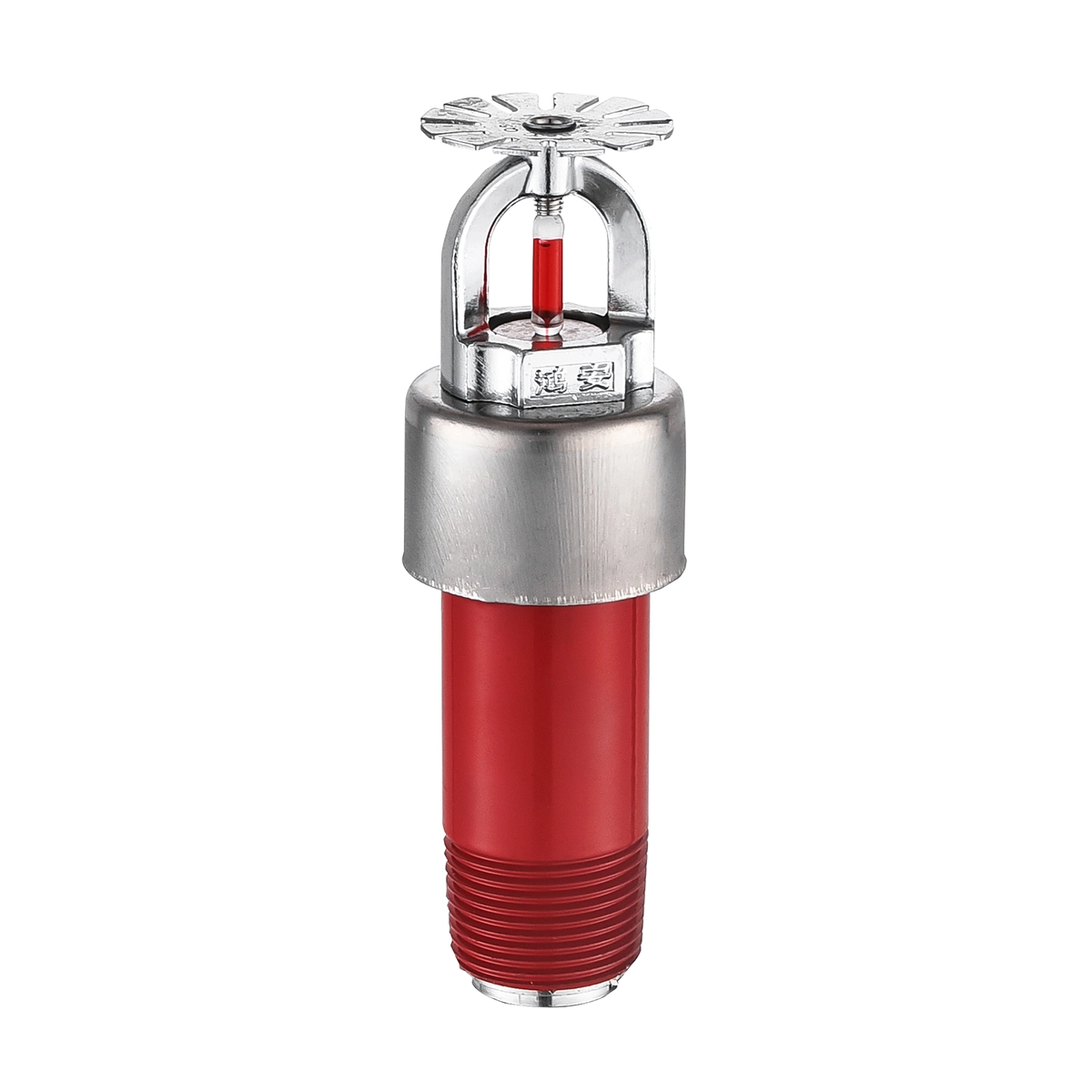
Standard response dry sprinklers use 5mm diameter glass bulbs, while quick response sprinklers use 3mm diameter glass bulbs. They are divided into three types: upright, pendant, and horizontal side spray. Typical applications for dry sprinklers include: 1. Locations where pendant sprinklers are required for dry systems. 2. Locations in wet systems where sprinklers and their connecting pipes may be exposed to unheated areas. 3. Locations where the fire system needs to be shut down seasonally and the pipe network must be drained to prevent freezing (e.g., buildings in tourist and resort areas that are not in operation during the winter, where the fire system must be drained to prevent freezing).
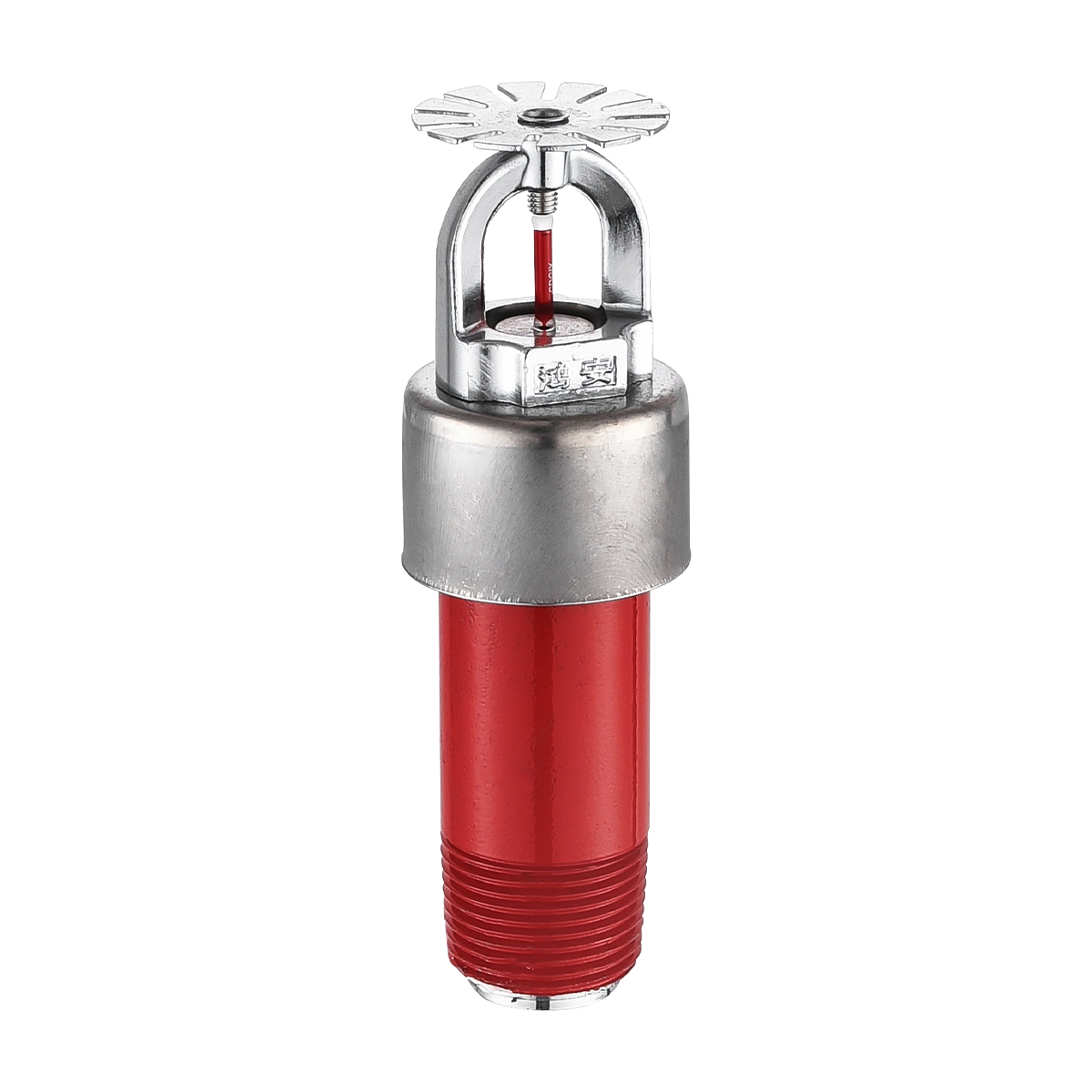
Standard response dry sprinklers use 5mm diameter glass bulbs, while quick response sprinklers use 3mm diameter glass bulbs. They are divided into three types: upright, pendant, and horizontal side spray. Typical applications for dry sprinklers include: 1. Locations where pendant sprinklers are required for dry systems. 2. Locations in wet systems where sprinklers and their connecting pipes may be exposed to unheated areas. 3. Locations where the fire system needs to be shut down seasonally and the pipe network must be drained to prevent freezing (e.g., buildings in tourist and resort areas that are not in operation during the winter, where the fire system must be drained to prevent freezing).
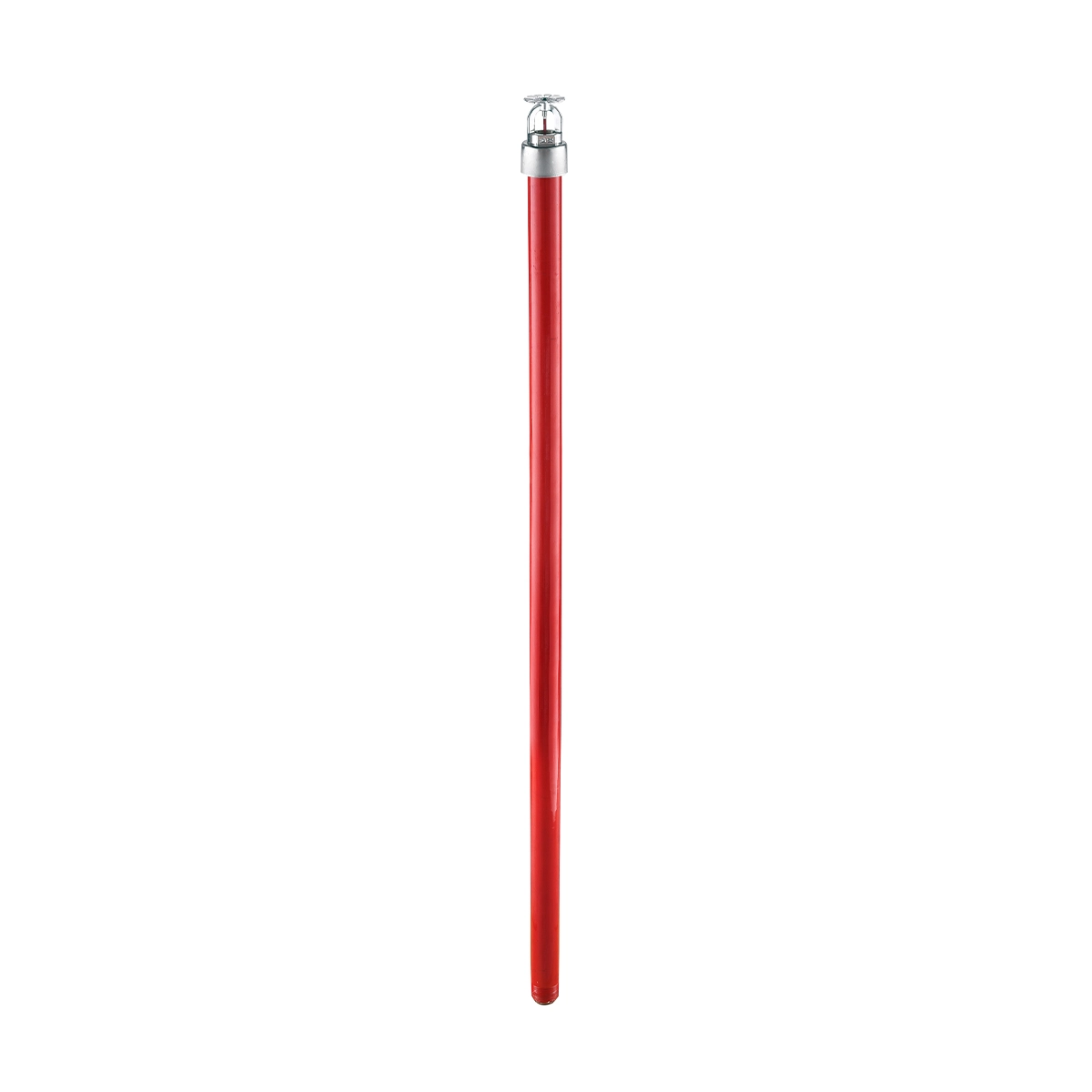
Standard response dry sprinklers use 5mm diameter glass bulbs, while quick response sprinklers use 3mm diameter glass bulbs. They are divided into three types: upright, pendant, and horizontal side spray. Typical applications for dry sprinklers include: 1. Locations where pendant sprinklers are required for dry systems. 2. Locations in wet systems where sprinklers and their connecting pipes may be exposed to unheated areas. 3. Locations where the fire system needs to be shut down seasonally and the pipe network must be drained to prevent freezing (e.g., buildings in tourist and resort areas that are not in operation during the winter, where the fire system must be drained to prevent freezing).
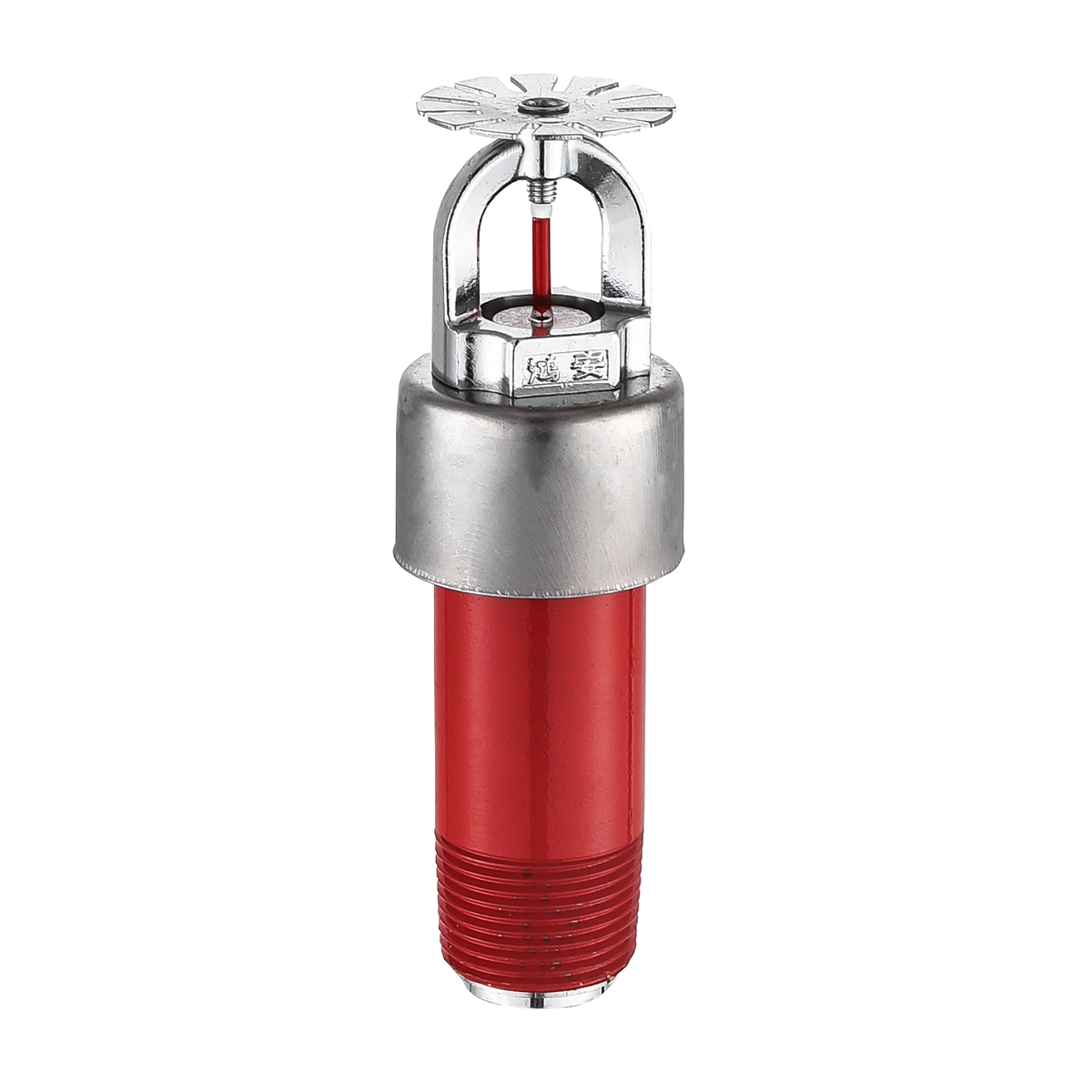
Standard response dry sprinklers use 5mm diameter glass bulbs, while quick response sprinklers use 3mm diameter glass bulbs. They are divided into three types: upright, pendant, and horizontal side spray. Typical applications for dry sprinklers include: 1. Locations where pendant sprinklers are required for dry systems. 2. Locations in wet systems where sprinklers and their connecting pipes may be exposed to unheated areas. 3. Locations where the fire system needs to be shut down seasonally and the pipe network must be drained to prevent freezing (e.g., buildings in tourist and resort areas that are not in operation during the winter, where the fire system must be drained to prevent freezing).
Hongan Fire Equipment Co., Ltd.
No. 101, Nantong Road, Ximei Street, Nan'an City, Quanzhou City, Fujian Province
