
PRODUCTS CENTER
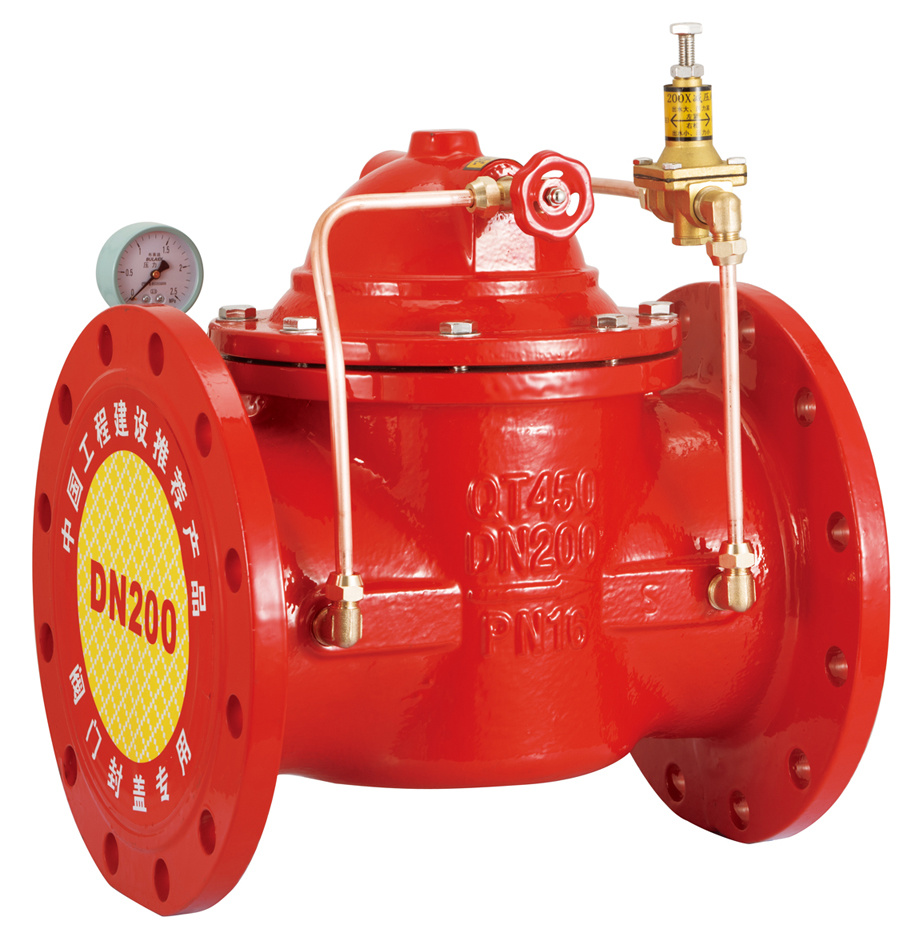
The pressure reducing valve divides the water flow into upstream and downstream sections with different pressures. It supplies water downstream at a user-set pressure, and the water supply pressure is not affected by fluctuations in inlet pressure or changes in outlet flow, as the pressure reducing valve sets the downstream pressure value. Its installation improves the pressure difference between different areas of the same system, completely replacing the traditional zoned water supply method, significantly reducing engineering costs, increasing building usable area, and improving water use efficiency. This product is designed for high-rise and super-high-rise buildings and is an ideal product for solving the high flow rate and high sensitivity requirements in the domestic water and fire water systems of high-rise buildings. Its performance is superior, completely replacing intermediate water tanks, saving the cost of water tanks in buildings, and expanding the usable area of buildings.
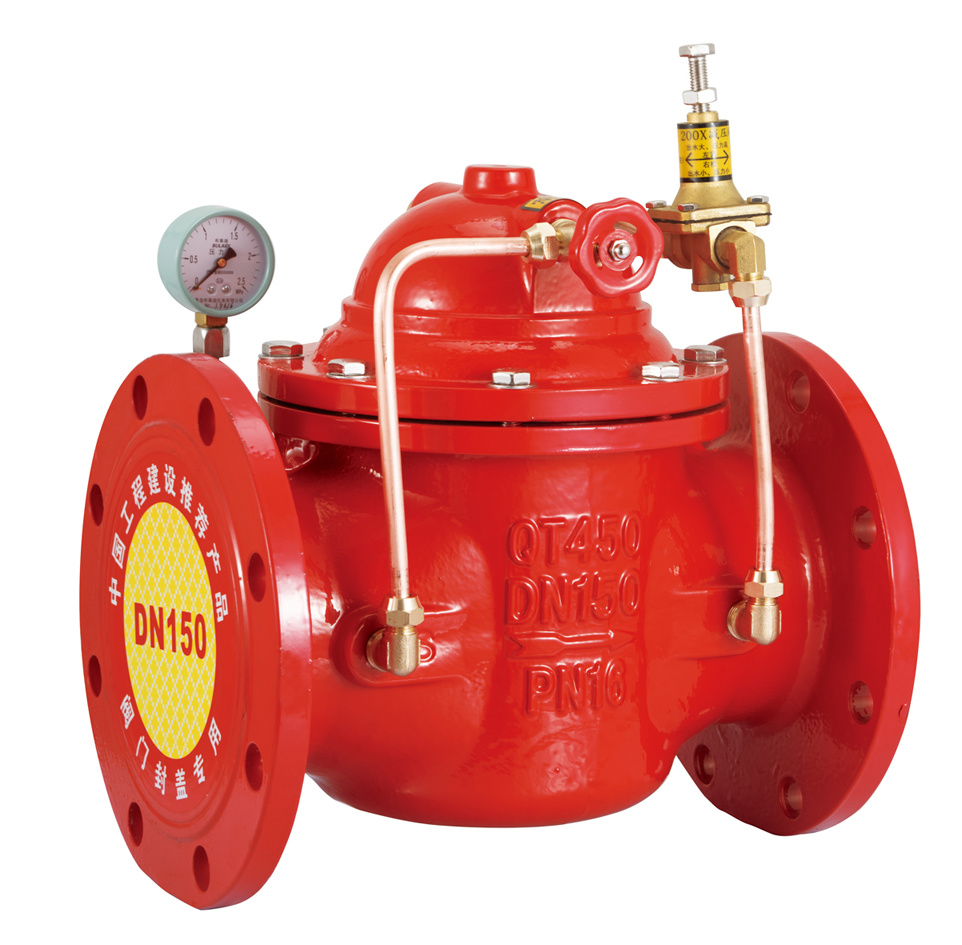
The pressure reducing valve divides the water flow into upstream and downstream sections with different pressures. It supplies water downstream at a user-set pressure, and the water supply pressure is not affected by fluctuations in inlet pressure or changes in outlet flow, as the pressure reducing valve sets the downstream pressure value. Its installation improves the pressure difference between different areas of the same system, completely replacing the traditional zoned water supply method, significantly reducing engineering costs, increasing building usable area, and improving water use efficiency. This product is designed for high-rise and super-high-rise buildings and is an ideal product for solving the high flow rate and high sensitivity requirements in the domestic water and fire water systems of high-rise buildings. Its performance is superior, completely replacing intermediate water tanks, saving the cost of water tanks in buildings, and expanding the usable area of buildings.
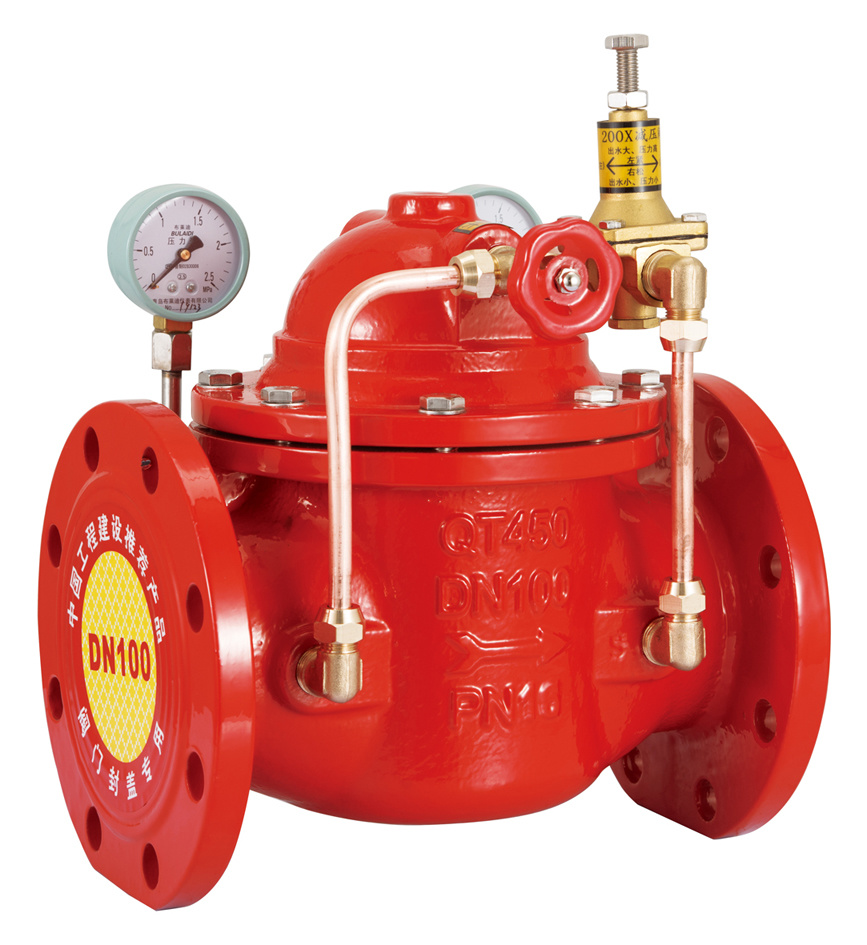
The pressure reducing valve divides the water flow into upstream and downstream sections with different pressures. It supplies water downstream at a user-set pressure, and the water supply pressure is not affected by fluctuations in inlet pressure or changes in outlet flow, as the pressure reducing valve sets the downstream pressure value. Its installation improves the pressure difference between different areas of the same system, completely replacing the traditional zoned water supply method, significantly reducing engineering costs, increasing building usable area, and improving water use efficiency. This product is designed for high-rise and super-high-rise buildings and is an ideal product for solving the high flow rate and high sensitivity requirements in the domestic water and fire water systems of high-rise buildings. Its performance is superior, completely replacing intermediate water tanks, saving the cost of water tanks in buildings, and expanding the usable area of buildings.
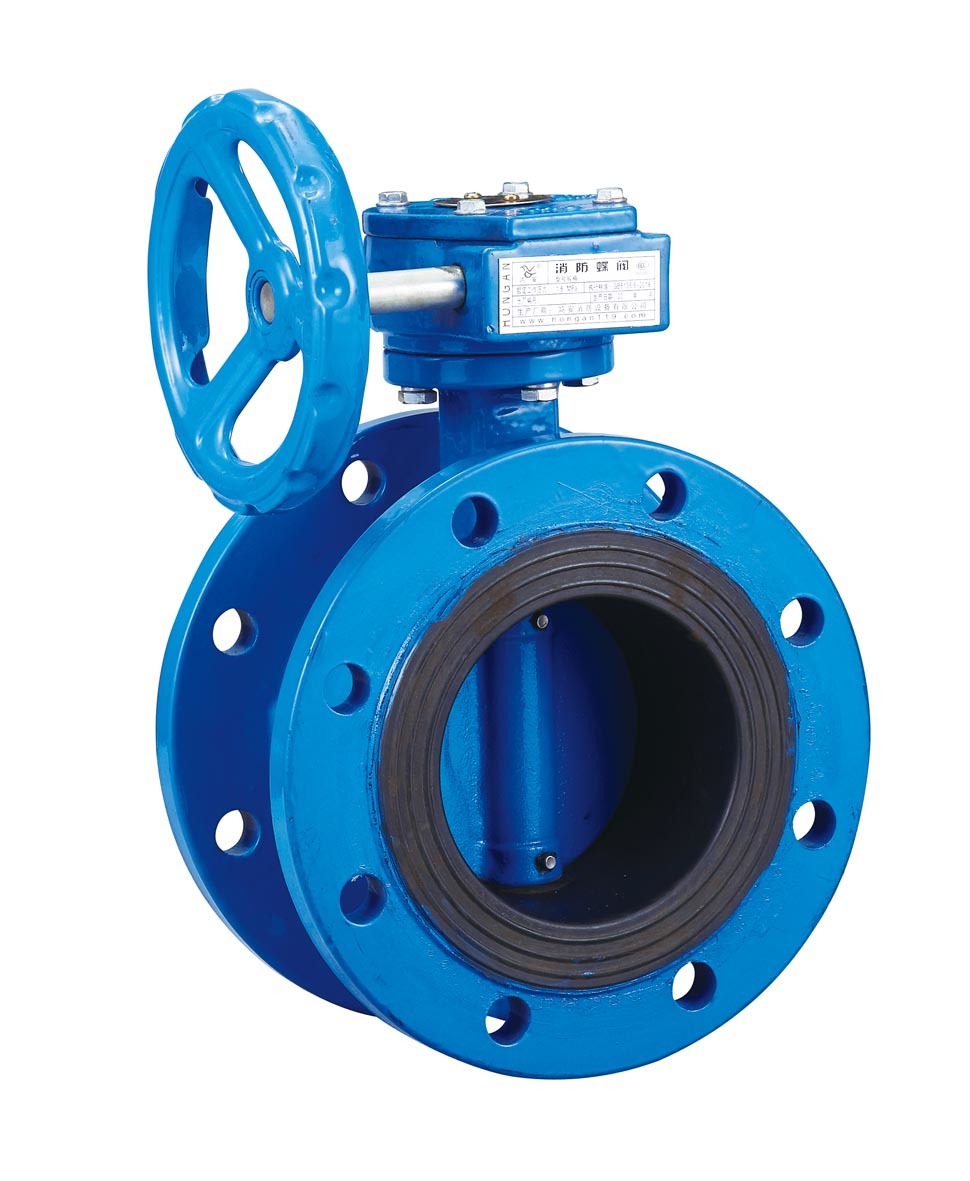
This valve is a rubber (NBR) sealed butterfly valve, widely used in power, water, metallurgy, chemical, urban construction and other industries' water supply and drainage pipeline systems, as a control device for opening, closing, or regulating the flow of media. The grooved (clamp) butterfly valve is a new type of connecting valve designed and manufactured by introducing similar advanced products from the United States and Germany. It features quick and easy installation, safety, no restrictions on installation sites, convenient maintenance of pipelines and valves, vibration and noise isolation, and the ability to overcome deviations caused by non-coaxial pipeline connections within a certain angle range. It also solves the advantages of thermal expansion and contraction caused by temperature differences.
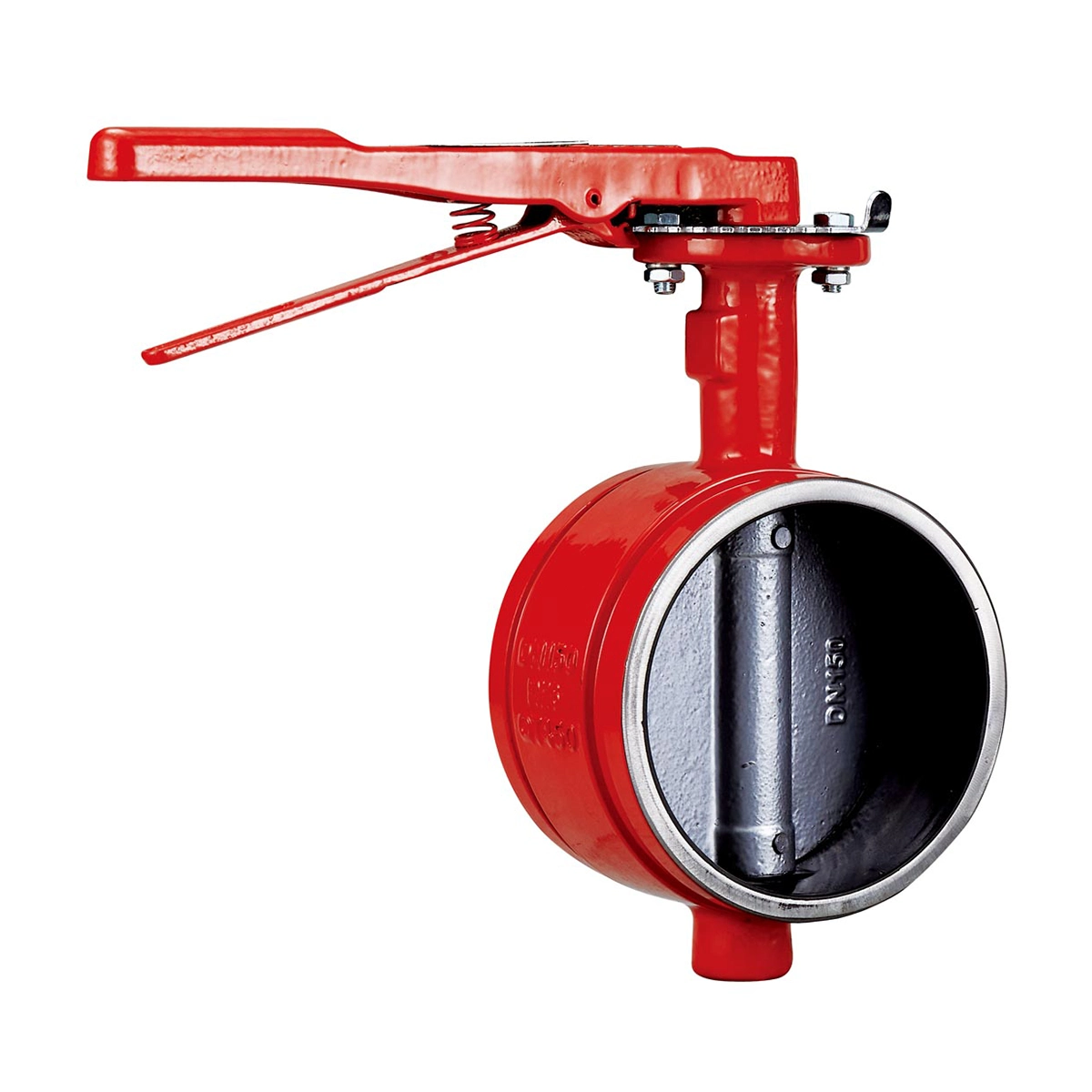
This valve is a rubber (NBR) sealed butterfly valve, widely used in power, water, metallurgy, chemical, urban construction and other industries' water supply and drainage pipeline systems, as a control device for opening, closing, or regulating the flow of media. The grooved (clamp) butterfly valve is a new type of connecting valve designed and manufactured by introducing similar advanced products from the United States and Germany. It features quick and easy installation, safety, no restrictions on installation sites, convenient maintenance of pipelines and valves, vibration and noise isolation, and the ability to overcome deviations caused by non-coaxial pipeline connections within a certain angle range. It also solves the advantages of thermal expansion and contraction caused by temperature differences.
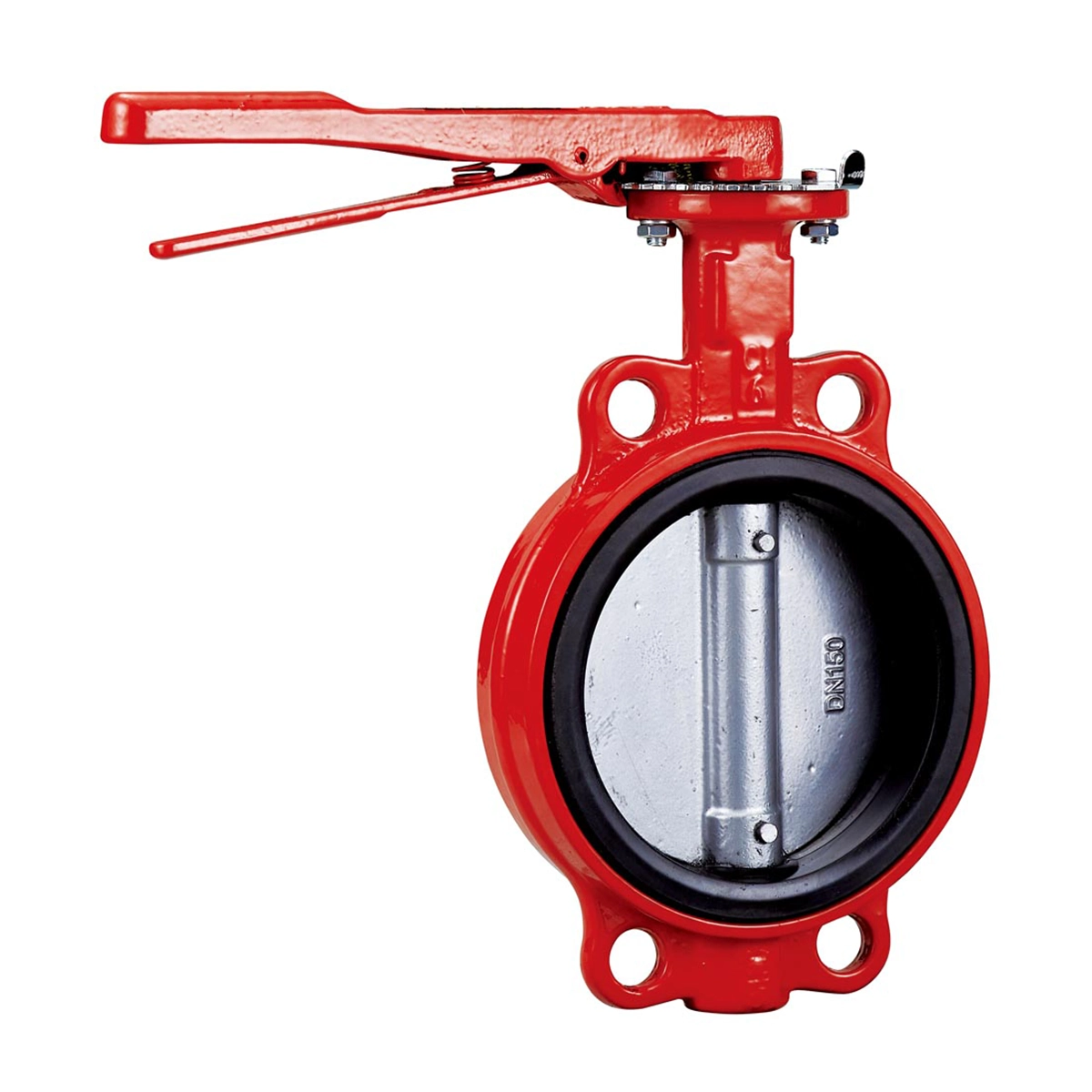
This valve is a rubber (NBR) sealed butterfly valve, widely used in power, water, metallurgy, chemical, urban construction and other industries' water supply and drainage pipeline systems, as a control device for opening, closing, or regulating the flow of media. The grooved (clamp) butterfly valve is a new type of connecting valve designed and manufactured by introducing similar advanced products from the United States and Germany. It features quick and easy installation, safety, no restrictions on installation sites, convenient maintenance of pipelines and valves, vibration and noise isolation, and the ability to overcome deviations caused by non-coaxial pipeline connections within a certain angle range. It also solves the advantages of thermal expansion and contraction caused by temperature differences.
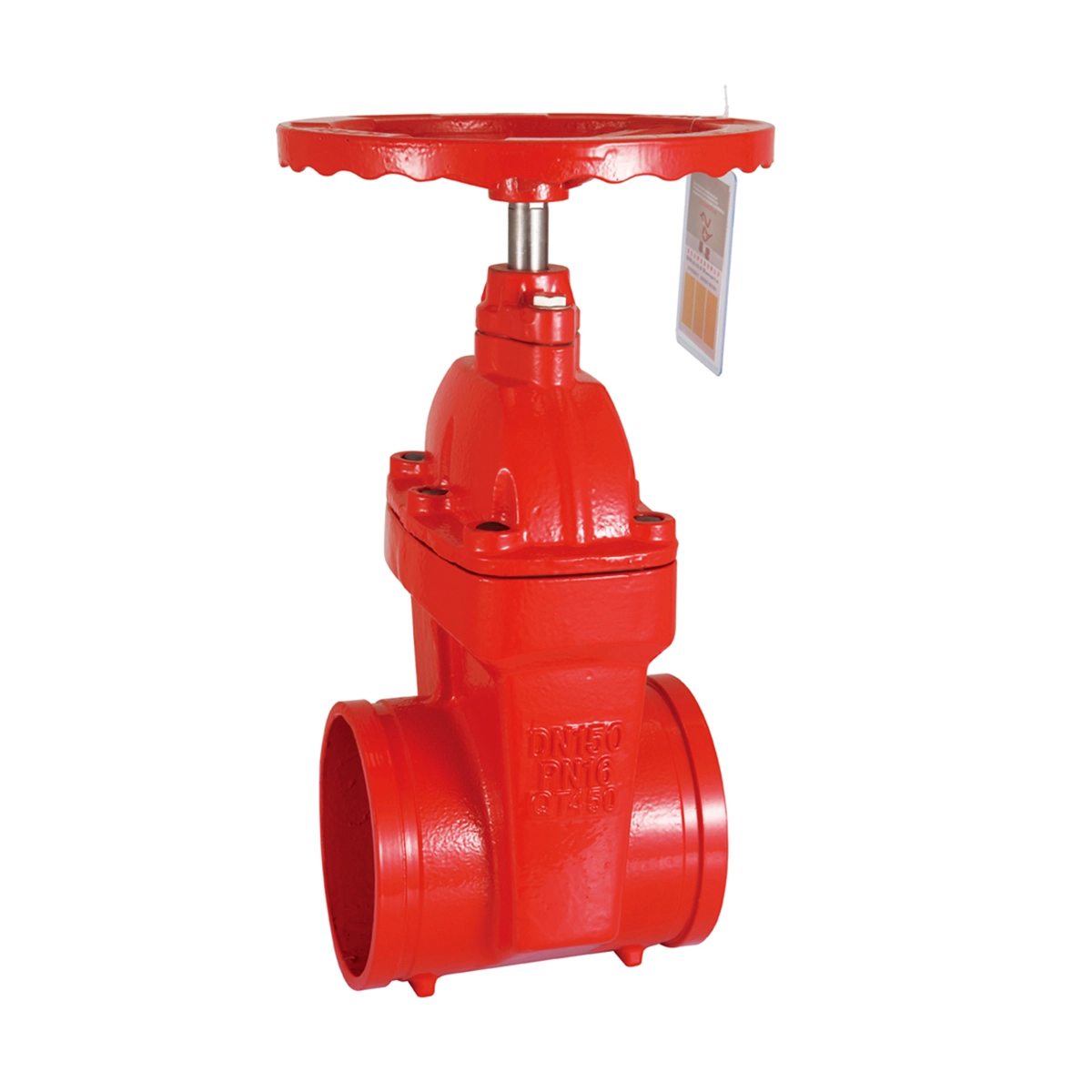
A fire hydrant valve is a common type of shut-off valve that uses a gate (the closing member in the gate is called the gate, and the seat is called the gate seat) to connect (fully open) or shut off (fully closed) the medium in the pipeline. During use, avoid slightly opening the gate, as the erosion of the high-speed flowing medium will accelerate the damage to the sealing surface. The gate plate moves up and down on one side perpendicular to the centerline of the gate seat channel, cutting off the medium in the pipeline like a gate, hence the name gate valve. In the use of fire water supply networks, it is classified as a concealed stem type or an exposed stem type according to the valve stem, a flange type or a groove type according to the installation connection method, and a signal type or a non-signal type according to the control requirements.
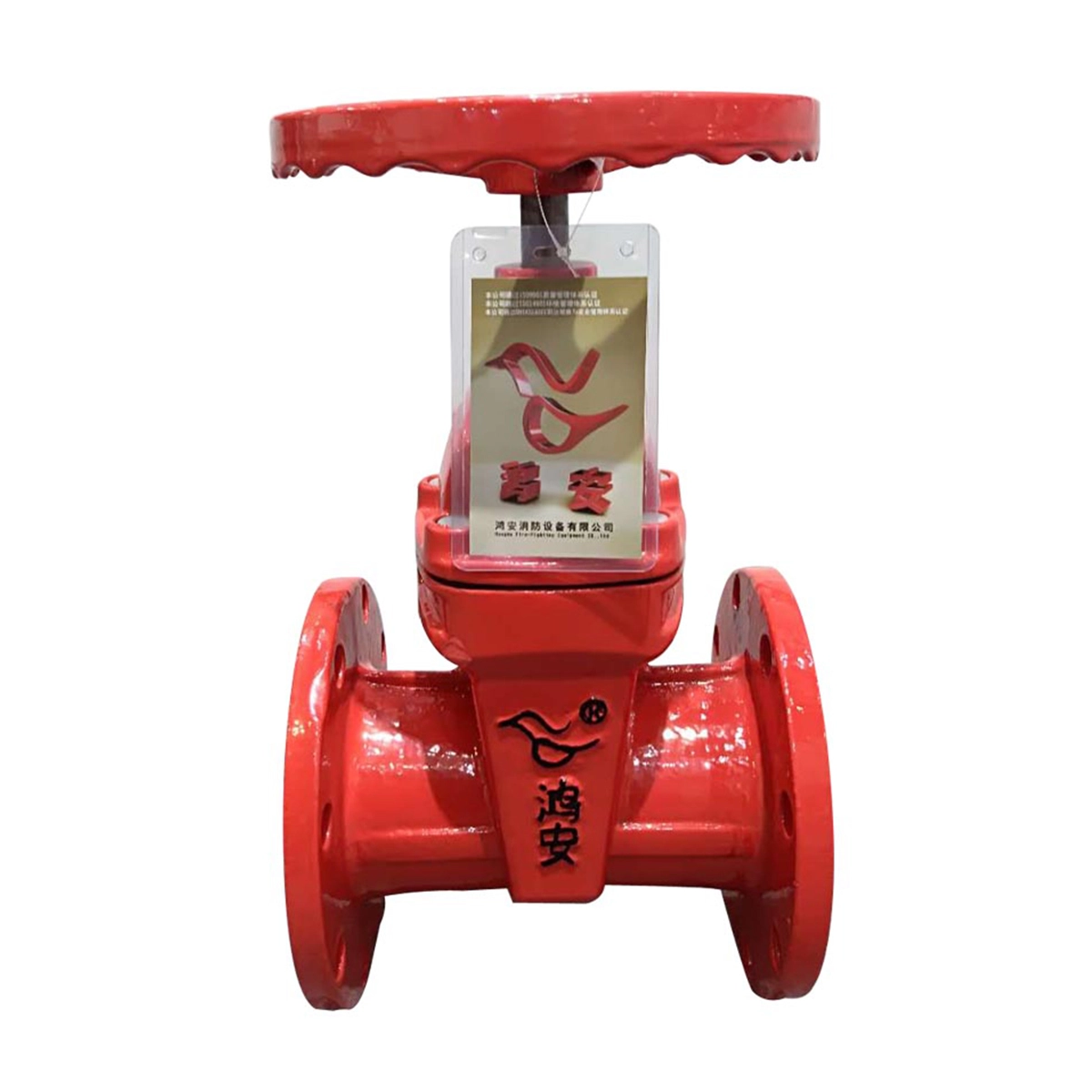
A fire hydrant valve is a common type of shut-off valve that uses a gate (the closing member in the gate is called the gate, and the seat is called the gate seat) to connect (fully open) or shut off (fully closed) the medium in the pipeline. During use, avoid slightly opening the gate, as the erosion of the high-speed flowing medium will accelerate the damage to the sealing surface. The gate plate moves up and down on one side perpendicular to the centerline of the gate seat channel, cutting off the medium in the pipeline like a gate, hence the name gate valve. In the use of fire water supply networks, it is classified as a concealed stem type or an exposed stem type according to the valve stem, a flange type or a groove type according to the installation connection method, and a signal type or a non-signal type according to the control requirements.
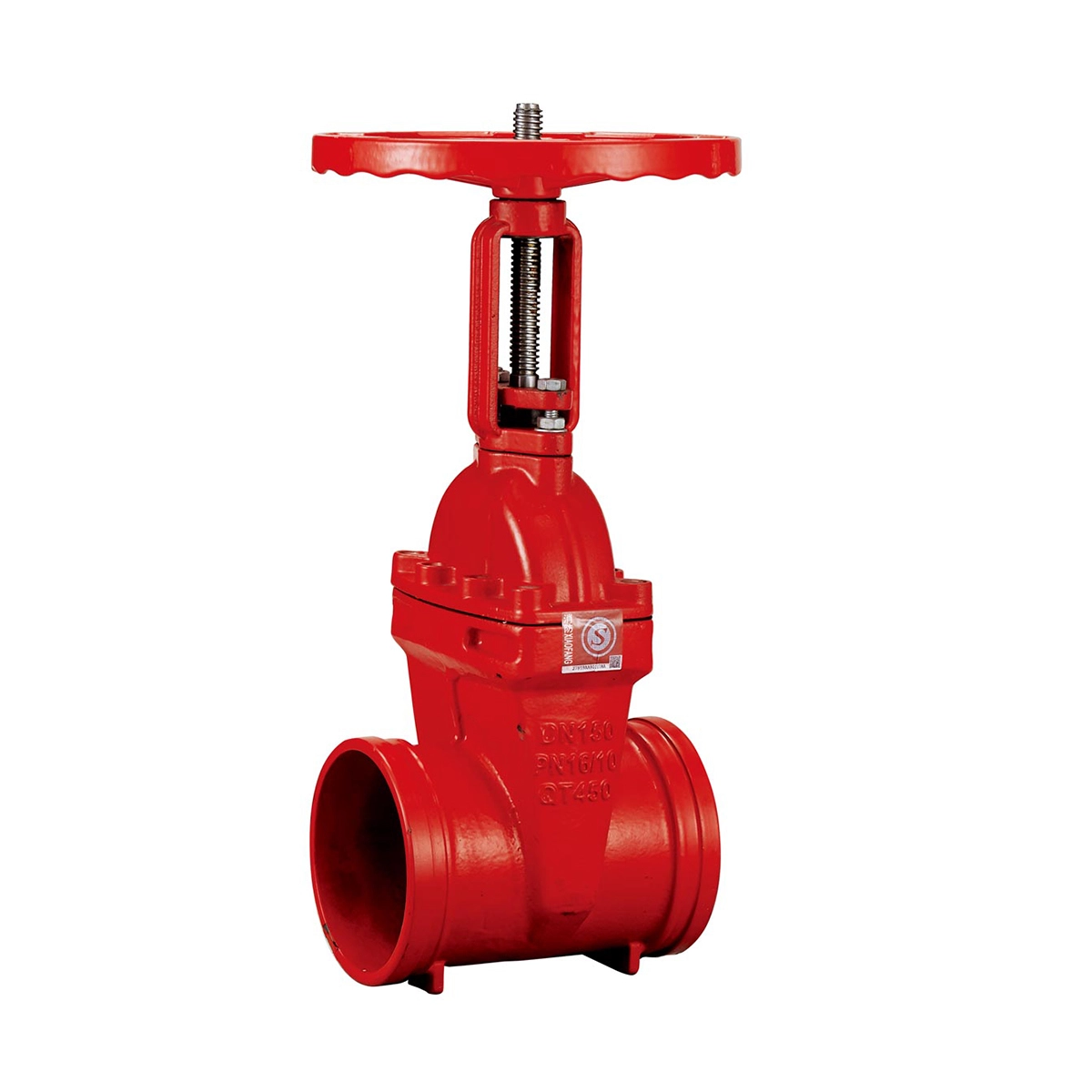
A fire hydrant valve is a common type of shut-off valve that uses a gate (the closing member in the gate is called the gate, and the seat is called the gate seat) to connect (fully open) or shut off (fully closed) the medium in the pipeline. During use, avoid slightly opening the gate, as the erosion of the high-speed flowing medium will accelerate the damage to the sealing surface. The gate plate moves up and down on one side perpendicular to the centerline of the gate seat channel, cutting off the medium in the pipeline like a gate, hence the name gate valve. In the use of fire water supply networks, it is classified as a concealed stem type or an exposed stem type according to the valve stem, a flange type or a groove type according to the installation connection method, and a signal type or a non-signal type according to the control requirements.
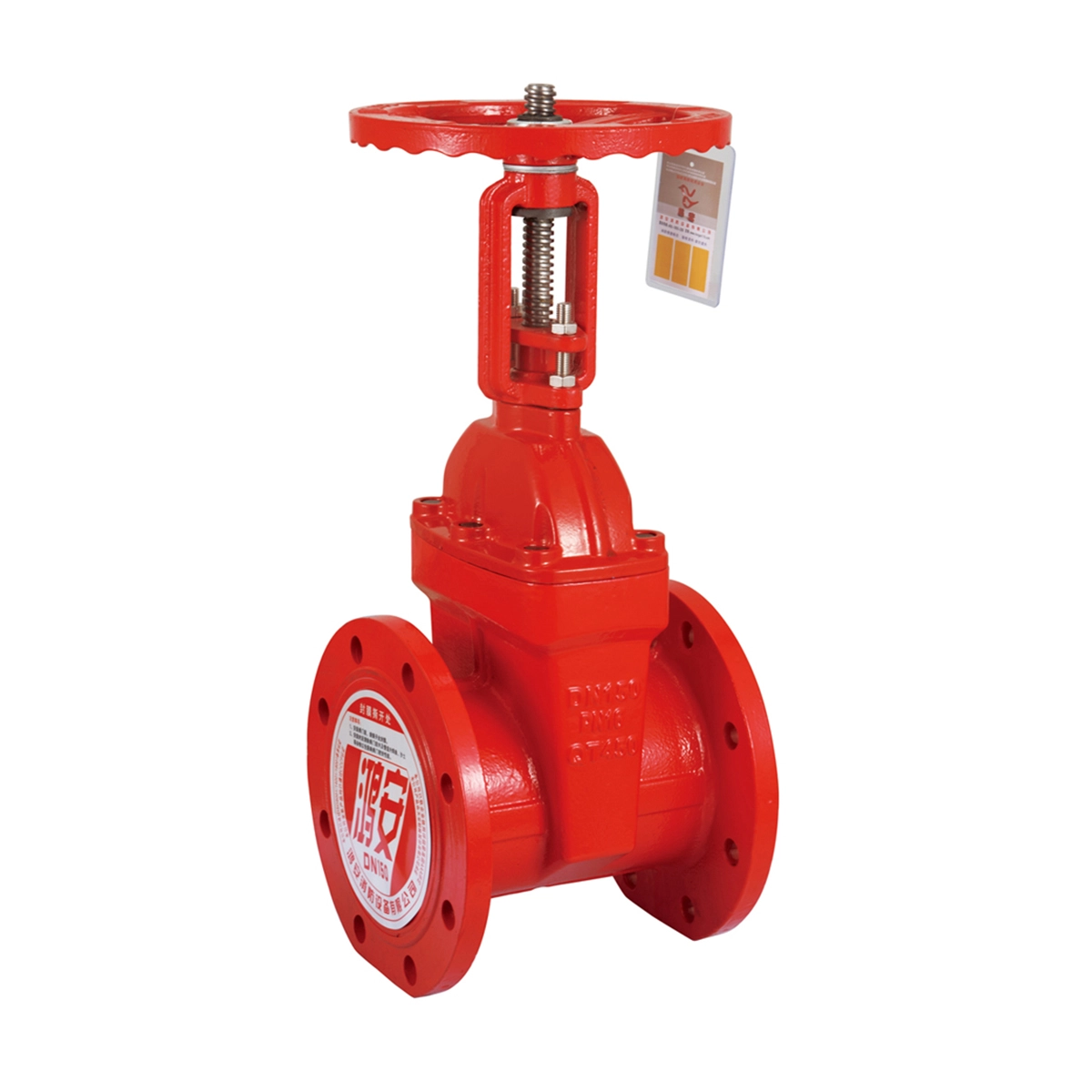
A fire hydrant valve is a common type of shut-off valve that uses a gate (the closing member in the gate is called the gate, and the seat is called the gate seat) to connect (fully open) or shut off (fully closed) the medium in the pipeline. During use, avoid slightly opening the gate, as the erosion of the high-speed flowing medium will accelerate the damage to the sealing surface. The gate plate moves up and down on one side perpendicular to the centerline of the gate seat channel, cutting off the medium in the pipeline like a gate, hence the name gate valve. In the use of fire water supply networks, it is classified as a concealed stem type or an exposed stem type according to the valve stem, a flange type or a groove type according to the installation connection method, and a signal type or a non-signal type according to the control requirements.
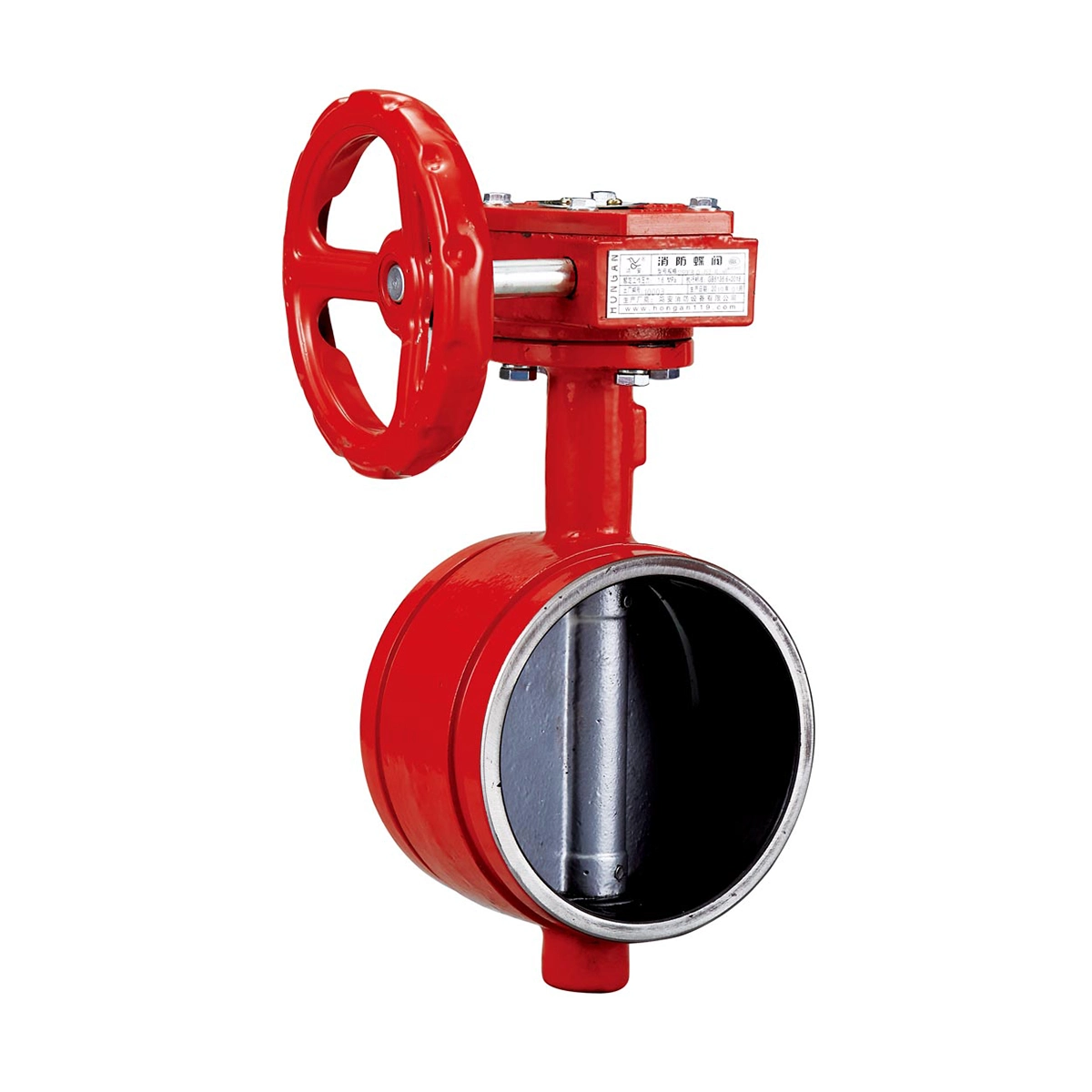
Fire signal butterfly valves are suitable for pipelines in petroleum, chemical, food, pharmaceutical, papermaking, hydropower, shipbuilding, water supply and drainage, metallurgy, and energy systems. They can be used as regulating and throttling devices on pipelines and containers of various corrosive and non-corrosive gases, liquids, semi-fluids, and solid powders. They are especially widely used in high-rise building fire systems and other pipeline systems that require the display of valve switch status.
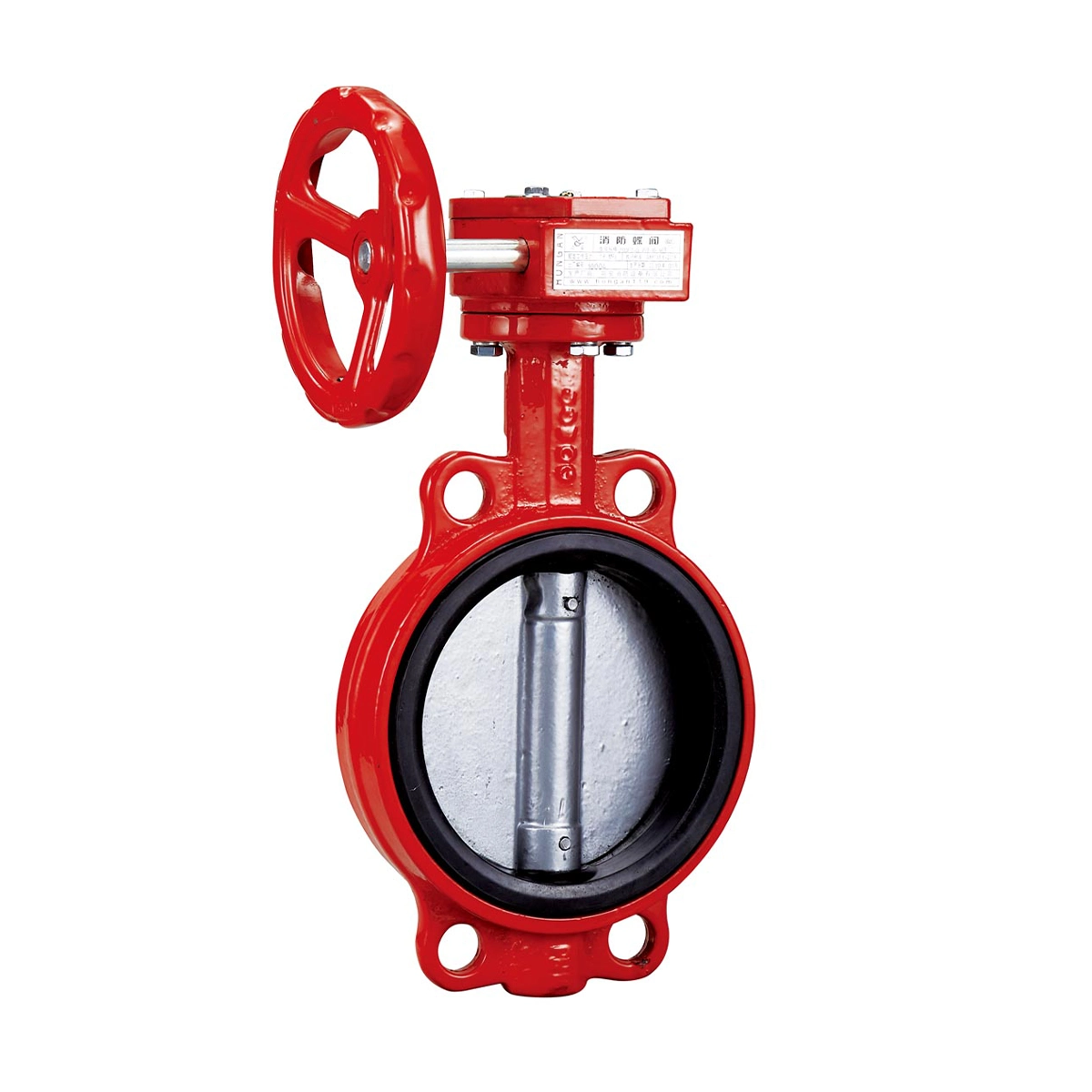
Fire signal butterfly valves are suitable for pipelines in petroleum, chemical, food, pharmaceutical, papermaking, hydropower, shipbuilding, water supply and drainage, metallurgy, and energy systems. They can be used as regulating and throttling devices on pipelines and containers of various corrosive and non-corrosive gases, liquids, semi-fluids, and solid powders. They are especially widely used in high-rise building fire systems and other pipeline systems that require the display of valve switch status.
Hongan Fire Equipment Co., Ltd.
No. 101, Nantong Road, Ximei Street, Nan'an City, Quanzhou City, Fujian Province
