
PRODUCTS CENTER
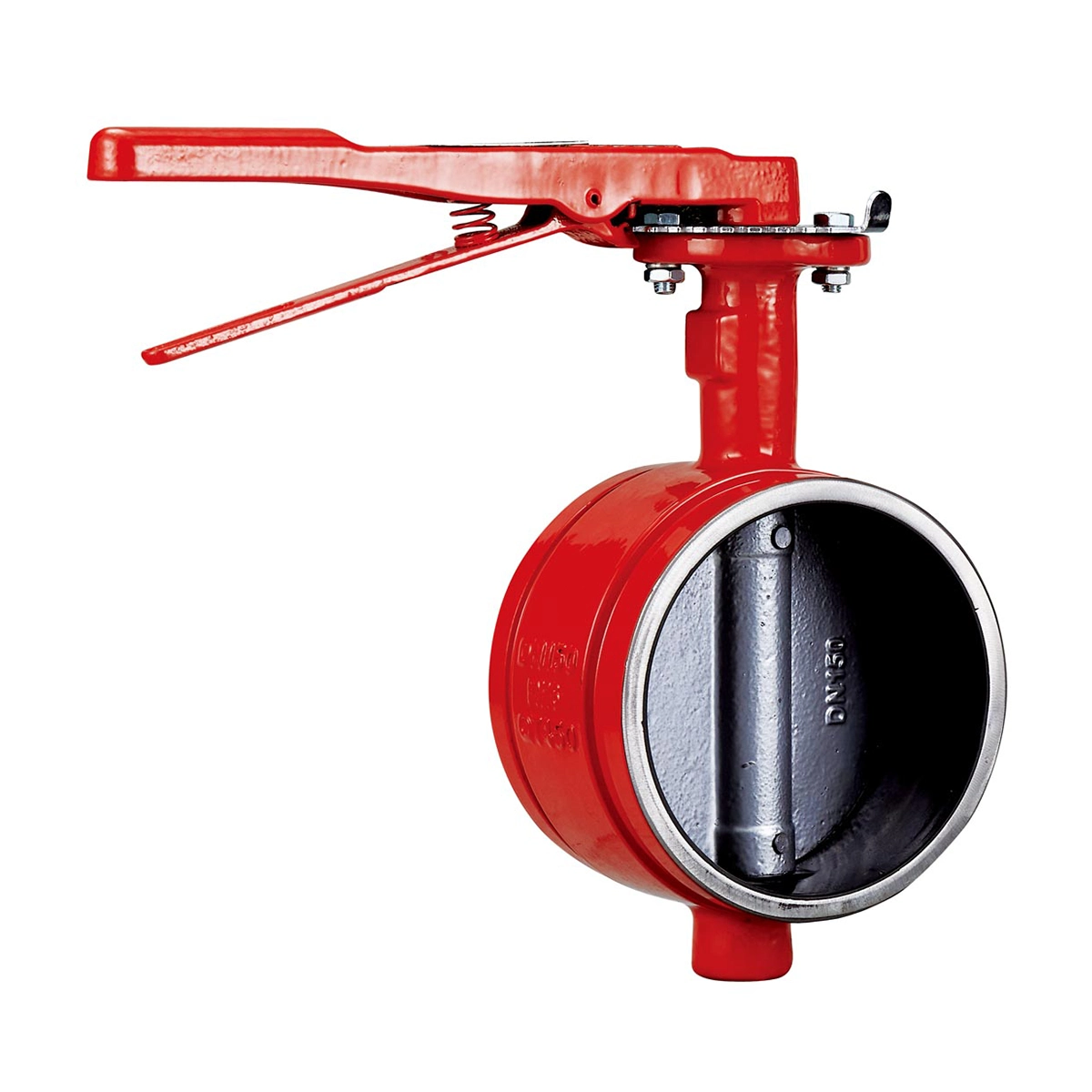
This valve is a rubber (NBR) sealed butterfly valve, widely used in power, water, metallurgy, chemical, urban construction and other industries' water supply and drainage pipeline systems, as a control device for opening, closing, or regulating the flow of media. The grooved (clamp) butterfly valve is a new type of connecting valve designed and manufactured by introducing similar advanced products from the United States and Germany. It features quick and easy installation, safety, no restrictions on installation sites, convenient maintenance of pipelines and valves, vibration and noise isolation, and the ability to overcome deviations caused by non-coaxial pipeline connections within a certain angle range. It also solves the advantages of thermal expansion and contraction caused by temperature differences.
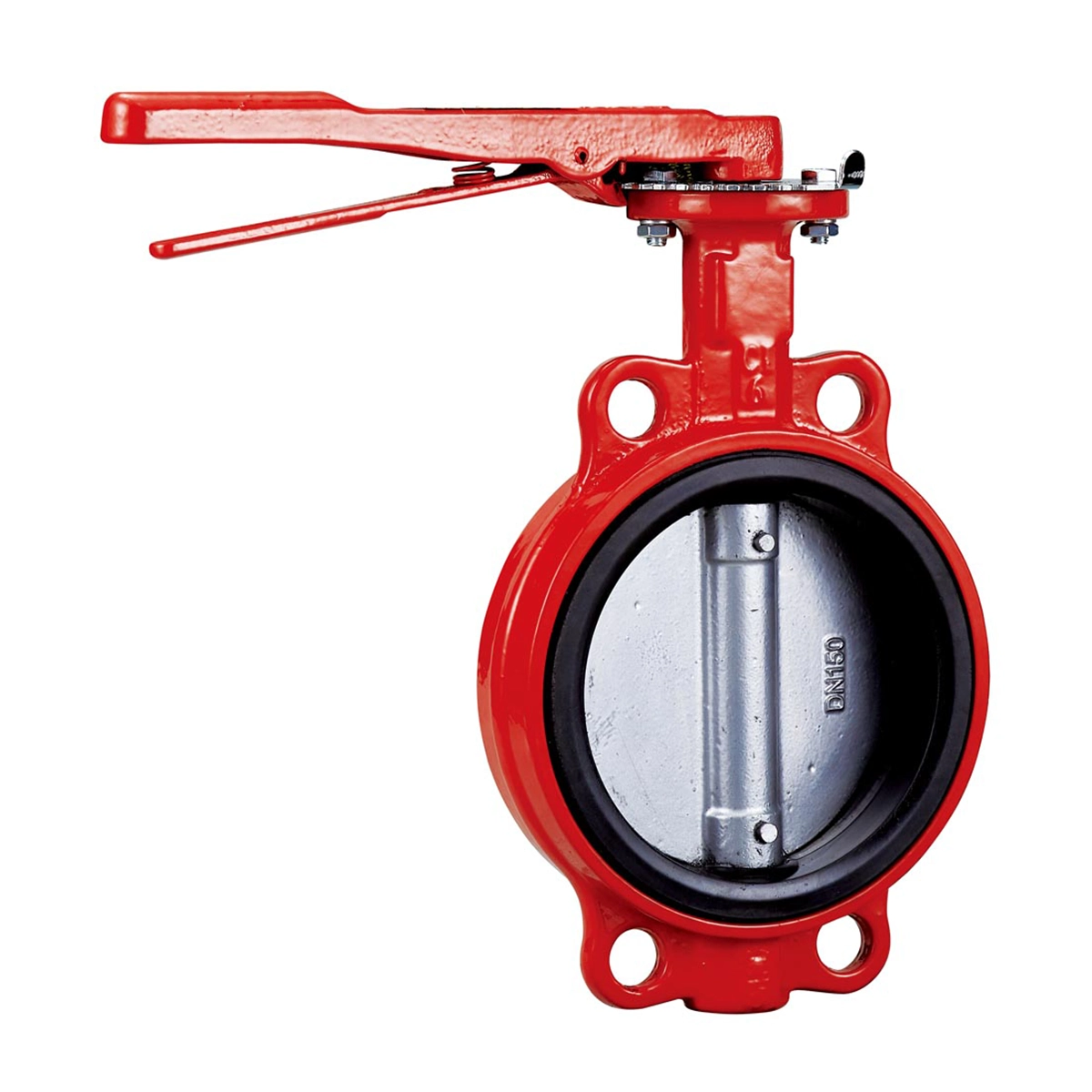
This valve is a rubber (NBR) sealed butterfly valve, widely used in power, water, metallurgy, chemical, urban construction and other industries' water supply and drainage pipeline systems, as a control device for opening, closing, or regulating the flow of media. The grooved (clamp) butterfly valve is a new type of connecting valve designed and manufactured by introducing similar advanced products from the United States and Germany. It features quick and easy installation, safety, no restrictions on installation sites, convenient maintenance of pipelines and valves, vibration and noise isolation, and the ability to overcome deviations caused by non-coaxial pipeline connections within a certain angle range. It also solves the advantages of thermal expansion and contraction caused by temperature differences.
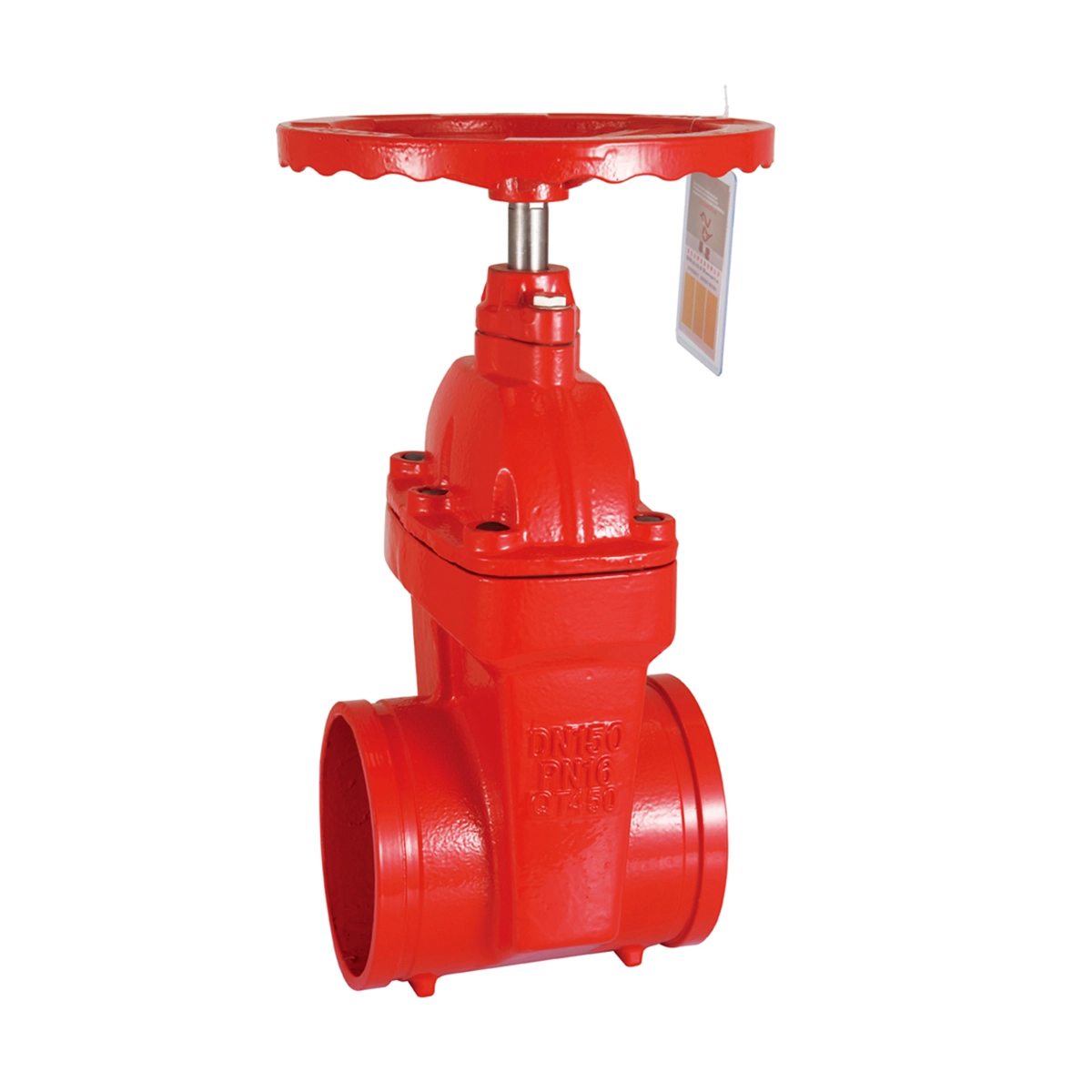
A fire hydrant valve is a common type of shut-off valve that uses a gate (the closing member in the gate is called the gate, and the seat is called the gate seat) to connect (fully open) or shut off (fully closed) the medium in the pipeline. During use, avoid slightly opening the gate, as the erosion of the high-speed flowing medium will accelerate the damage to the sealing surface. The gate plate moves up and down on one side perpendicular to the centerline of the gate seat channel, cutting off the medium in the pipeline like a gate, hence the name gate valve. In the use of fire water supply networks, it is classified as a concealed stem type or an exposed stem type according to the valve stem, a flange type or a groove type according to the installation connection method, and a signal type or a non-signal type according to the control requirements.
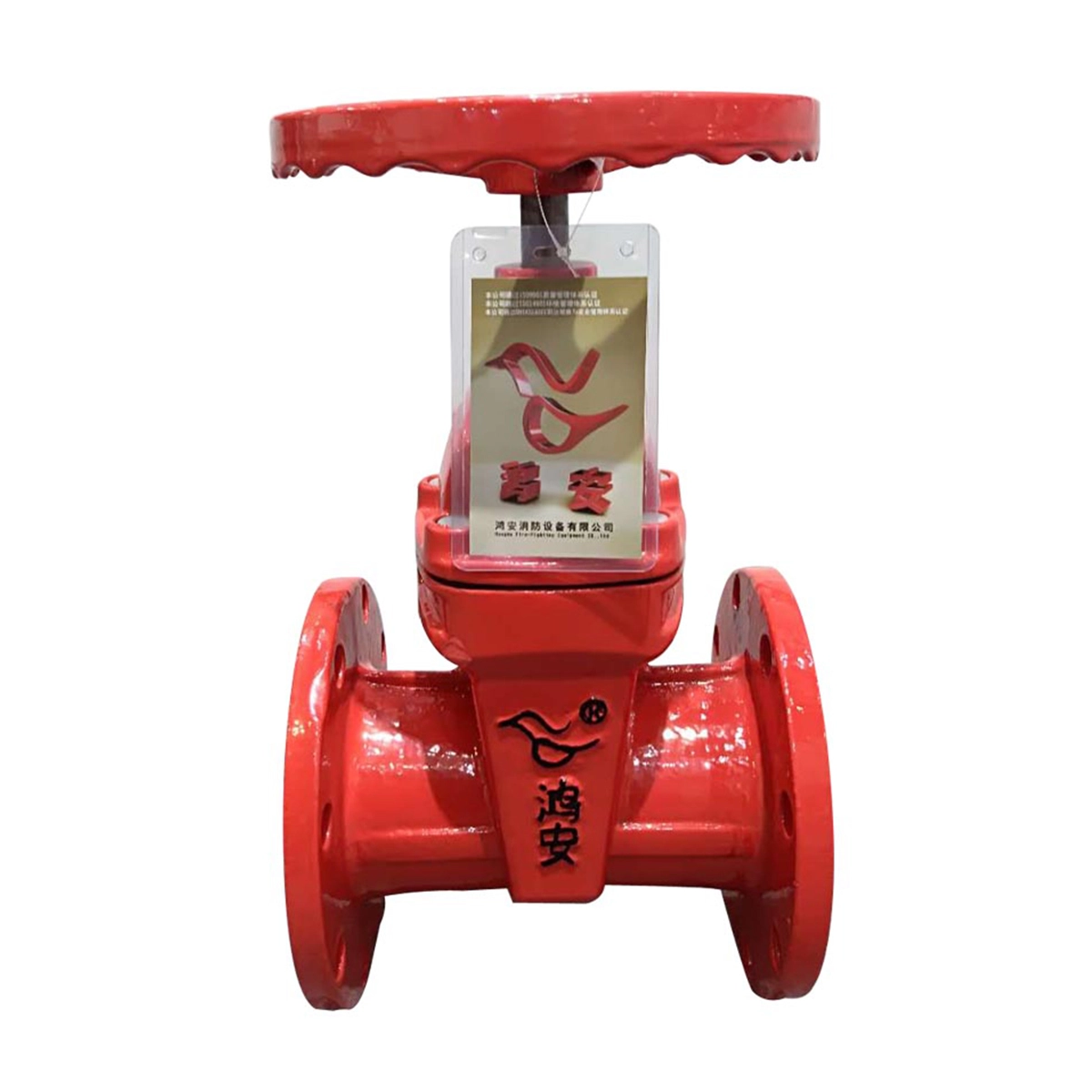
A fire hydrant valve is a common type of shut-off valve that uses a gate (the closing member in the gate is called the gate, and the seat is called the gate seat) to connect (fully open) or shut off (fully closed) the medium in the pipeline. During use, avoid slightly opening the gate, as the erosion of the high-speed flowing medium will accelerate the damage to the sealing surface. The gate plate moves up and down on one side perpendicular to the centerline of the gate seat channel, cutting off the medium in the pipeline like a gate, hence the name gate valve. In the use of fire water supply networks, it is classified as a concealed stem type or an exposed stem type according to the valve stem, a flange type or a groove type according to the installation connection method, and a signal type or a non-signal type according to the control requirements.
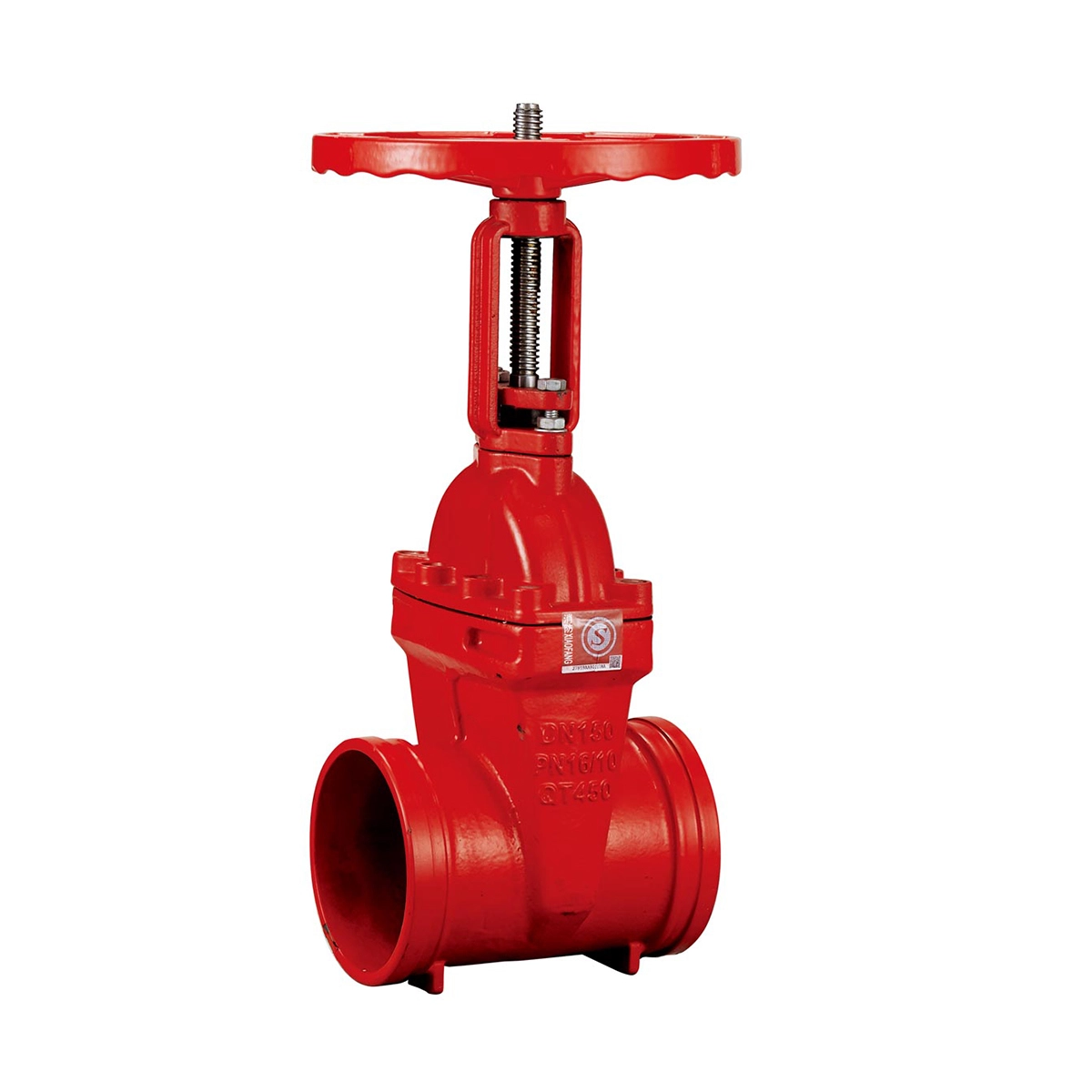
A fire hydrant valve is a common type of shut-off valve that uses a gate (the closing member in the gate is called the gate, and the seat is called the gate seat) to connect (fully open) or shut off (fully closed) the medium in the pipeline. During use, avoid slightly opening the gate, as the erosion of the high-speed flowing medium will accelerate the damage to the sealing surface. The gate plate moves up and down on one side perpendicular to the centerline of the gate seat channel, cutting off the medium in the pipeline like a gate, hence the name gate valve. In the use of fire water supply networks, it is classified as a concealed stem type or an exposed stem type according to the valve stem, a flange type or a groove type according to the installation connection method, and a signal type or a non-signal type according to the control requirements.
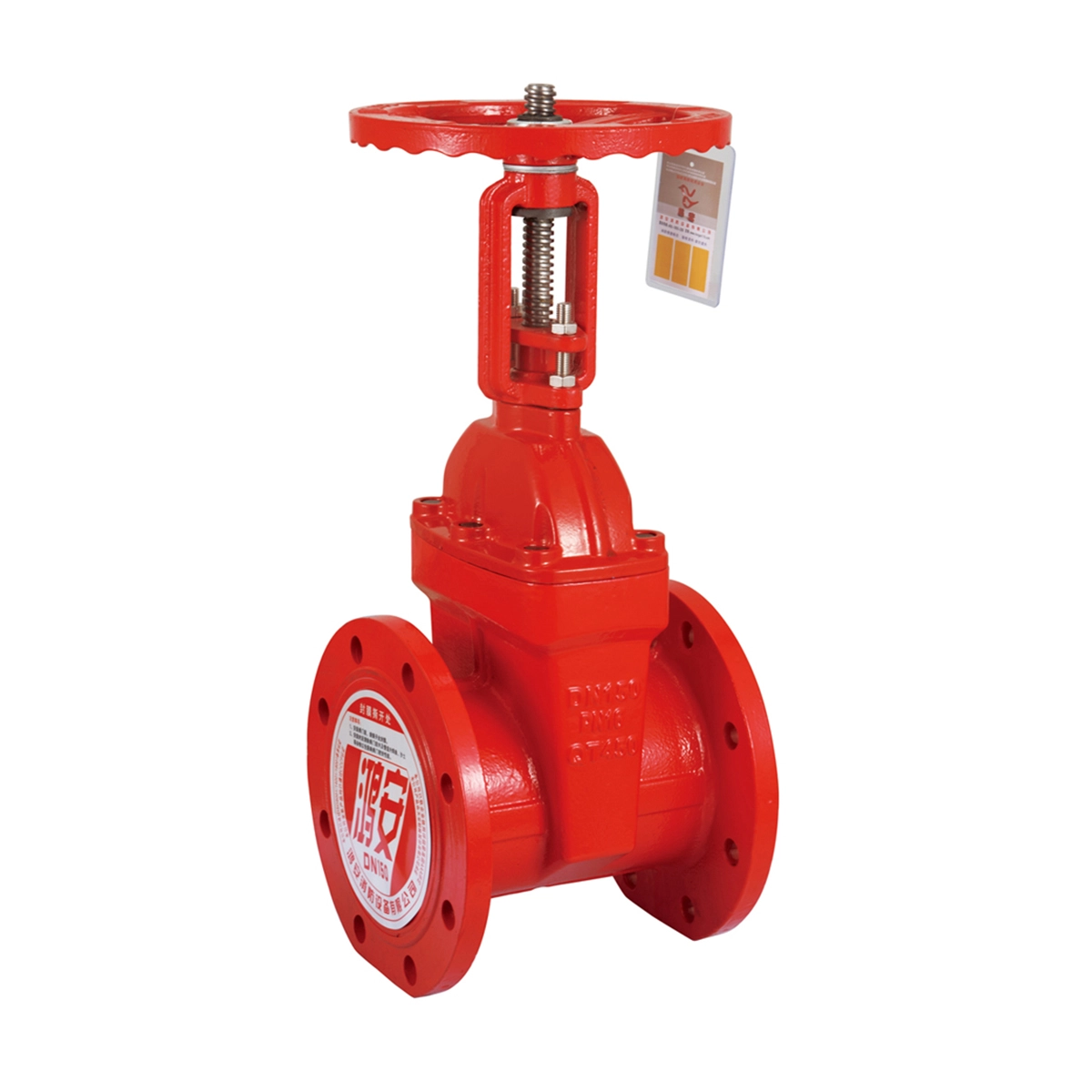
A fire hydrant valve is a common type of shut-off valve that uses a gate (the closing member in the gate is called the gate, and the seat is called the gate seat) to connect (fully open) or shut off (fully closed) the medium in the pipeline. During use, avoid slightly opening the gate, as the erosion of the high-speed flowing medium will accelerate the damage to the sealing surface. The gate plate moves up and down on one side perpendicular to the centerline of the gate seat channel, cutting off the medium in the pipeline like a gate, hence the name gate valve. In the use of fire water supply networks, it is classified as a concealed stem type or an exposed stem type according to the valve stem, a flange type or a groove type according to the installation connection method, and a signal type or a non-signal type according to the control requirements.
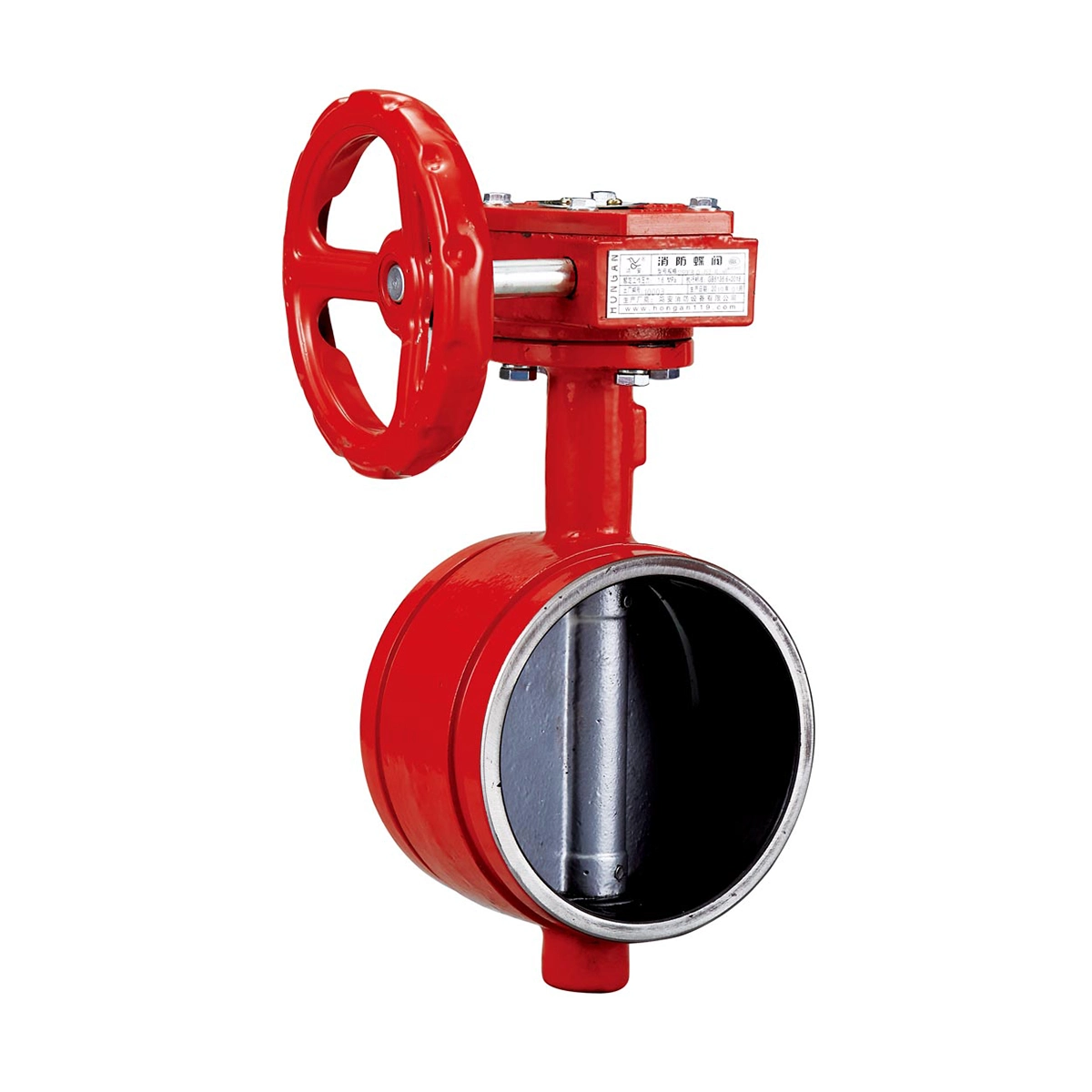
Fire signal butterfly valves are suitable for pipelines in petroleum, chemical, food, pharmaceutical, papermaking, hydropower, shipbuilding, water supply and drainage, metallurgy, and energy systems. They can be used as regulating and throttling devices on pipelines and containers of various corrosive and non-corrosive gases, liquids, semi-fluids, and solid powders. They are especially widely used in high-rise building fire systems and other pipeline systems that require the display of valve switch status.
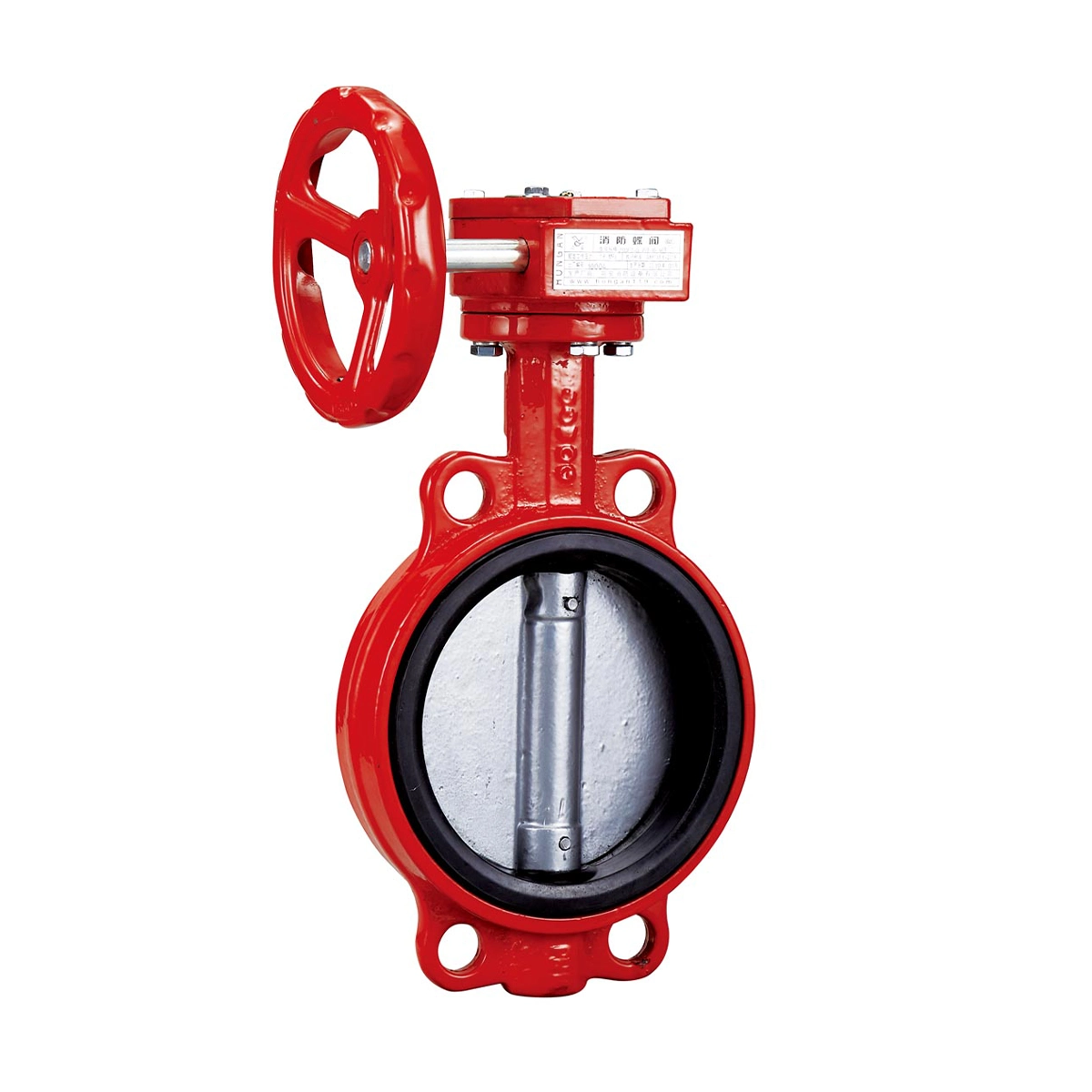
Fire signal butterfly valves are suitable for pipelines in petroleum, chemical, food, pharmaceutical, papermaking, hydropower, shipbuilding, water supply and drainage, metallurgy, and energy systems. They can be used as regulating and throttling devices on pipelines and containers of various corrosive and non-corrosive gases, liquids, semi-fluids, and solid powders. They are especially widely used in high-rise building fire systems and other pipeline systems that require the display of valve switch status.
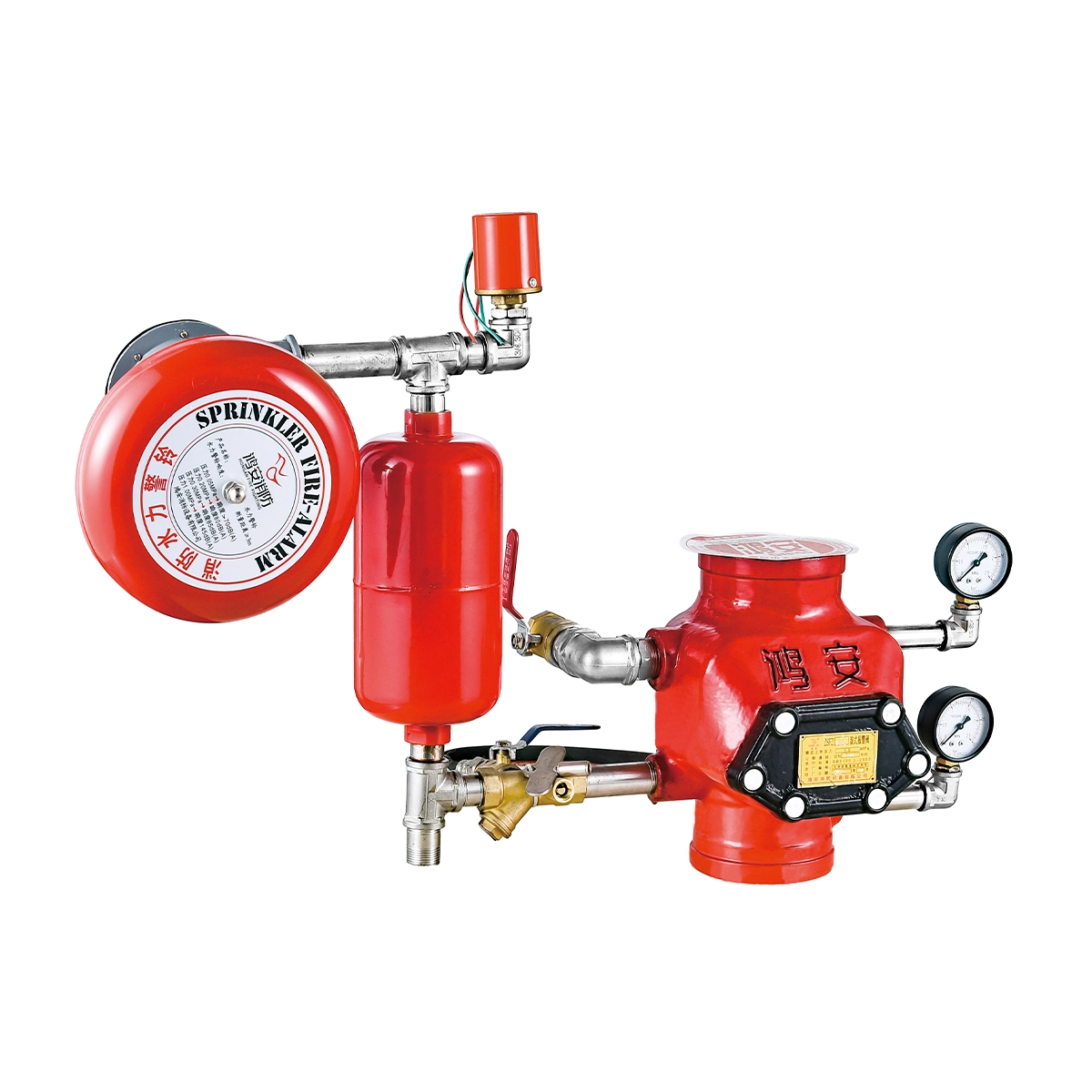
The wet alarm valve device is in a constant state of readiness, with the system side filled with water under working pressure. When a fire occurs in the control area of the automatic sprinkler fire extinguishing system, the heat-sensitive element in the closed sprinkler heads on the system network is heated and bursts, automatically spraying water. The system-side pressure of the wet alarm valve decreases, and under the action of the pressure difference, the valve automatically opens, and the water from the supply side flows into the system side to replenish the network, causing the entire network to enter an automatic water spray fire extinguishing state. At the same time, a small amount of water flows to the delay device and the hydraulic alarm through small holes on the seat ring. Under certain pressure and flow conditions, the hydraulic alarm sounds an alarm. The pressure switch converts the pressure signal into an electrical signal, starting the fire pump and auxiliary fire extinguishing equipment to replenish water and extinguish the fire. The network equipped with a water flow indicator also operates accordingly, outputting an electrical signal to allow the system control terminal to promptly detect the area where the fire occurred, achieving the purpose of automatic water spray fire extinguishing and alarm.
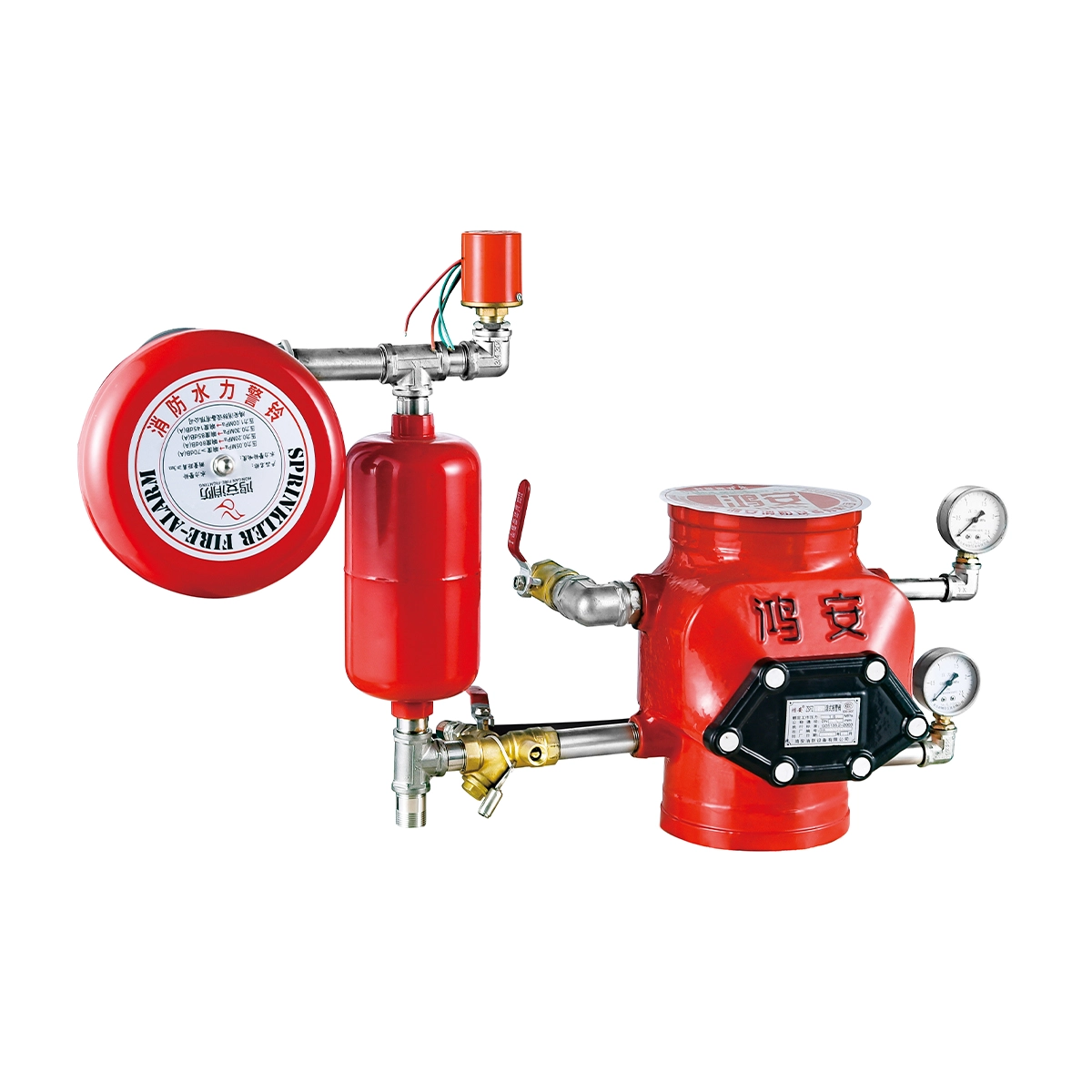
The wet alarm valve device is in a constant state of readiness, with the system side filled with water under working pressure. When a fire occurs in the control area of the automatic sprinkler fire extinguishing system, the heat-sensitive element in the closed sprinkler heads on the system network is heated and bursts, automatically spraying water. The system-side pressure of the wet alarm valve decreases, and under the action of the pressure difference, the valve automatically opens, and the water from the supply side flows into the system side to replenish the network, causing the entire network to enter an automatic water spray fire extinguishing state. At the same time, a small amount of water flows to the delay device and the hydraulic alarm through small holes on the seat ring. Under certain pressure and flow conditions, the hydraulic alarm sounds an alarm. The pressure switch converts the pressure signal into an electrical signal, starting the fire pump and auxiliary fire extinguishing equipment to replenish water and extinguish the fire. The network equipped with a water flow indicator also operates accordingly, outputting an electrical signal to allow the system control terminal to promptly detect the area where the fire occurred, achieving the purpose of automatic water spray fire extinguishing and alarm.
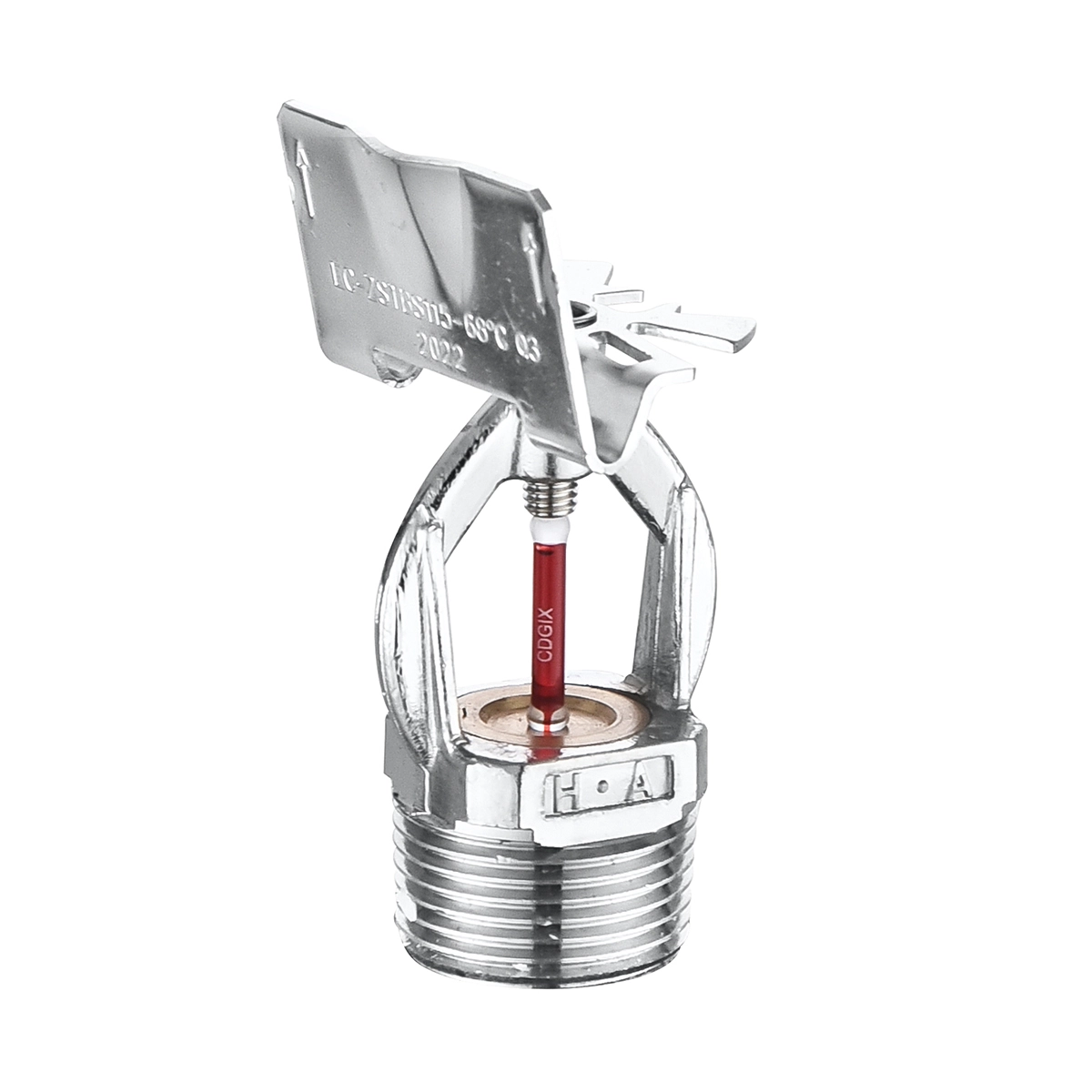
Sidewall pendent sprinklers provide large coverage and decorative water spray. The sprinkler glass bulb has a diameter of 3mm and is used in light and medium hazard areas such as churches, seating areas in restaurants, hotels, educational facilities, and offices using hydraulically calculated automatic sprinkler fire suppression systems. Its maximum coverage area is 4.9m x 7.3m. This sprinkler is installed on walls or beams below flat roofs. Sidewall pendent sprinklers are typically used as a replacement for pendent or upright sprinklers when aesthetic considerations or building structure make running pipes across the roof undesirable.
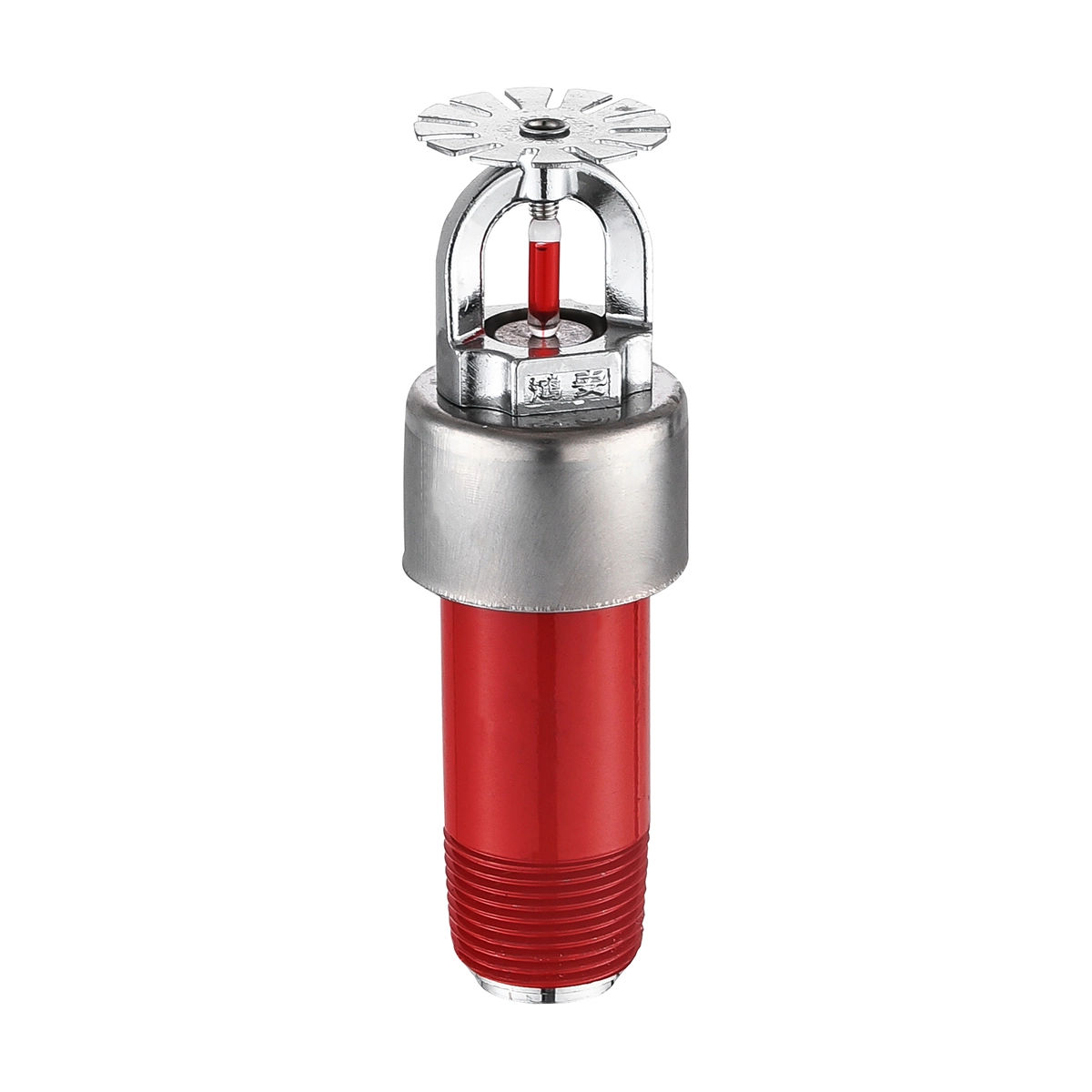
Standard response dry sprinklers use 5mm diameter glass bulbs, while quick response sprinklers use 3mm diameter glass bulbs. They are divided into three types: upright, pendant, and horizontal side spray. Typical applications for dry sprinklers include: 1. Locations where pendant sprinklers are required for dry systems. 2. Locations in wet systems where sprinklers and their connecting pipes may be exposed to unheated areas. 3. Locations where the fire system needs to be shut down seasonally and the pipe network must be drained to prevent freezing (e.g., buildings in tourist and resort areas that are not in operation during the winter, where the fire system must be drained to prevent freezing).
Hongan Fire Equipment Co., Ltd.
No. 101, Nantong Road, Ximei Street, Nan'an City, Quanzhou City, Fujian Province
