
PRODUCTS CENTER


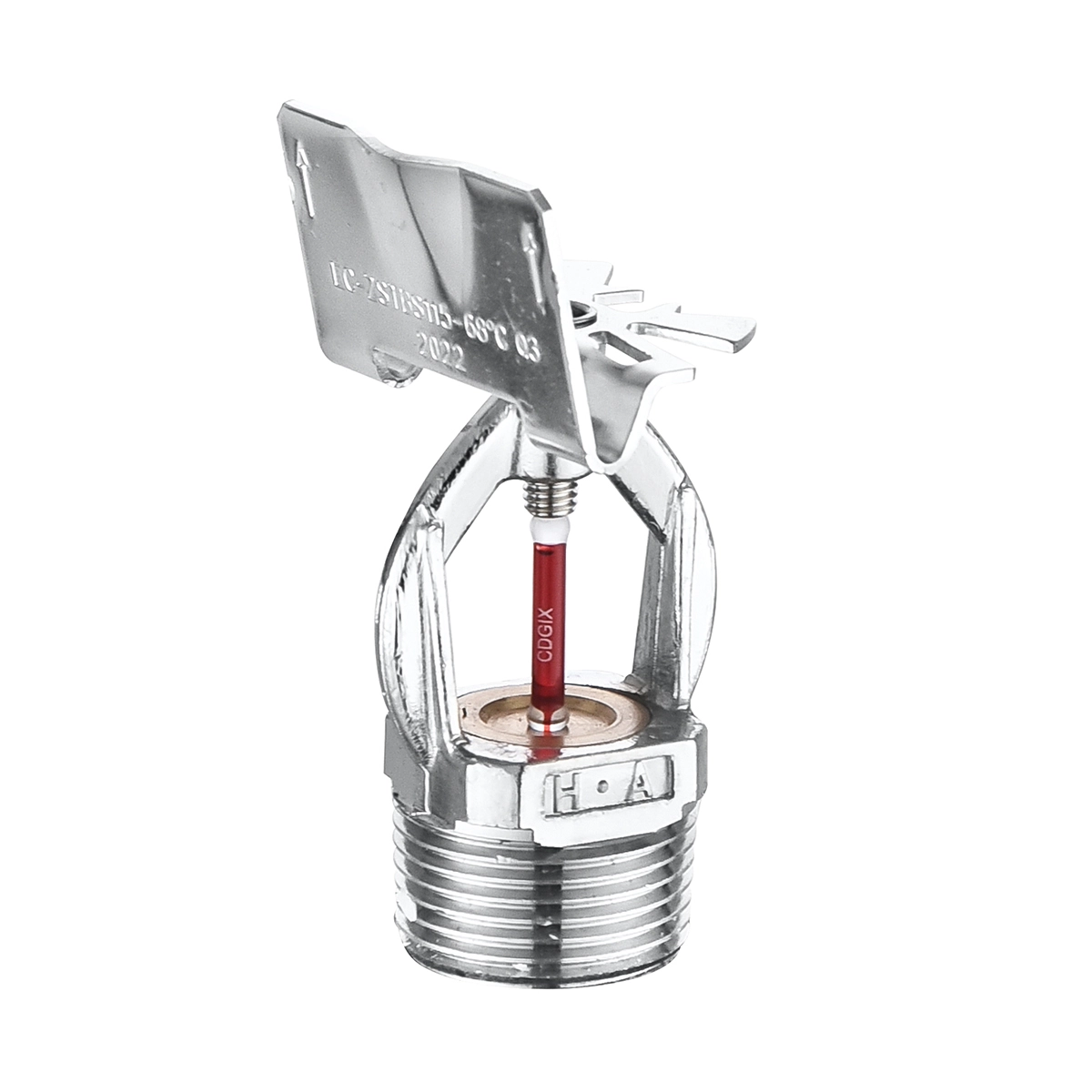
Sidewall pendent sprinklers provide large coverage and decorative water spray. The sprinkler glass bulb has a diameter of 3mm and is used in light and medium hazard areas such as churches, seating areas in restaurants, hotels, educational facilities, and offices using hydraulically calculated automatic sprinkler fire suppression systems. Its maximum coverage area is 4.9m x 7.3m. This sprinkler is installed on walls or beams below flat roofs. Sidewall pendent sprinklers are typically used as a replacement for pendent or upright sprinklers when aesthetic considerations or building structure make running pipes across the roof undesirable.
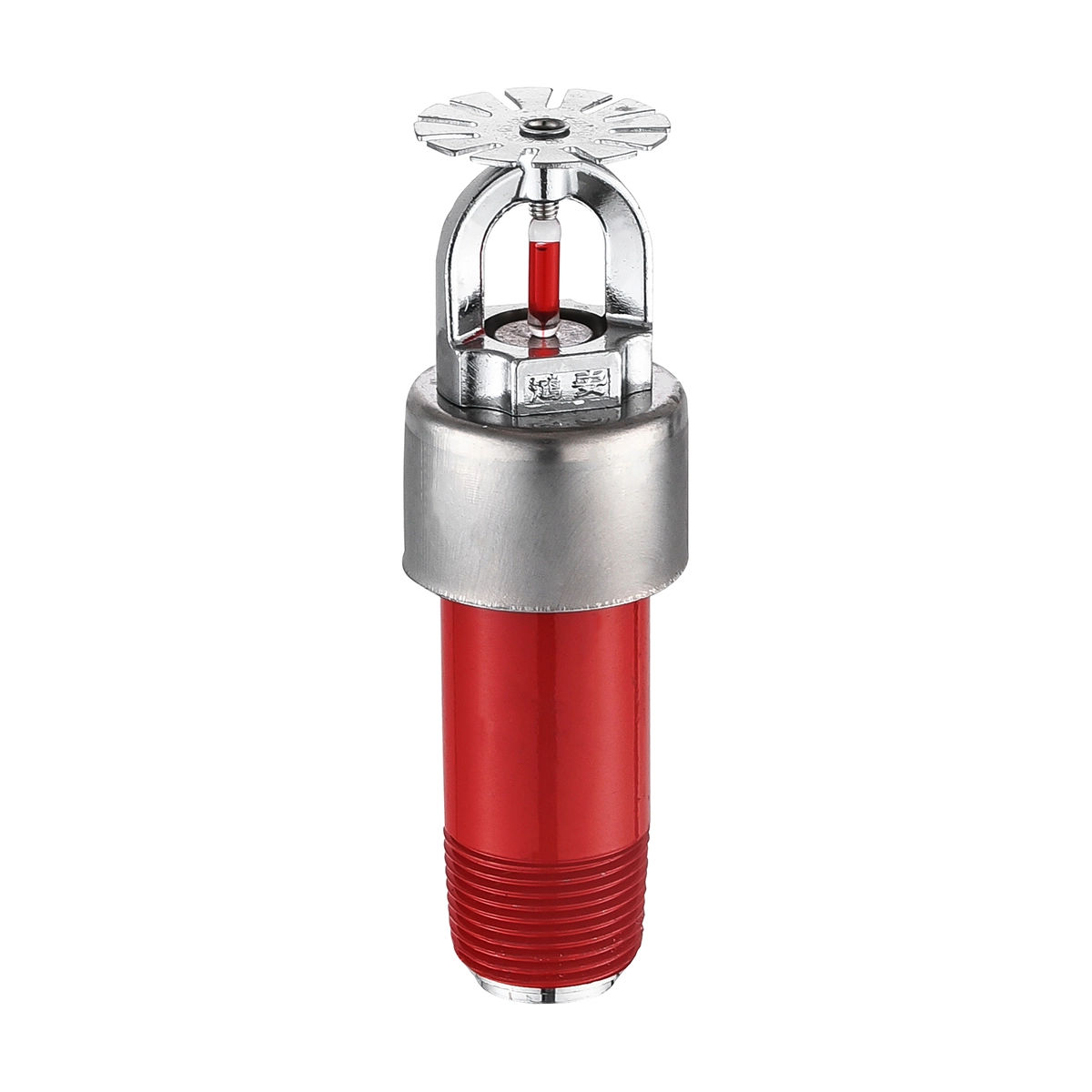
Standard response dry sprinklers use 5mm diameter glass bulbs, while quick response sprinklers use 3mm diameter glass bulbs. They are divided into three types: upright, pendant, and horizontal side spray. Typical applications for dry sprinklers include: 1. Locations where pendant sprinklers are required for dry systems. 2. Locations in wet systems where sprinklers and their connecting pipes may be exposed to unheated areas. 3. Locations where the fire system needs to be shut down seasonally and the pipe network must be drained to prevent freezing (e.g., buildings in tourist and resort areas that are not in operation during the winter, where the fire system must be drained to prevent freezing).
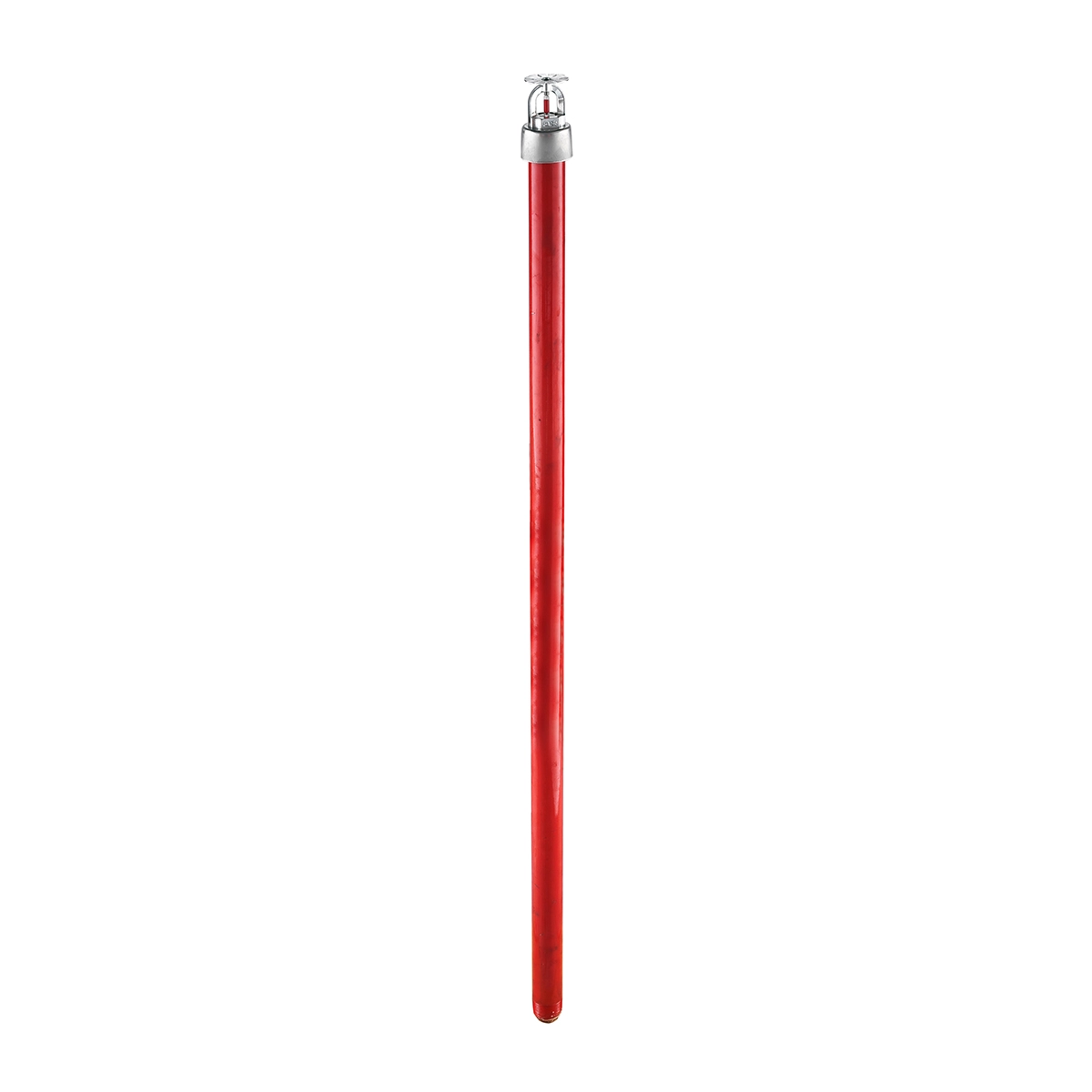
Standard response dry sprinklers use 5mm diameter glass bulbs, while quick response sprinklers use 3mm diameter glass bulbs. They are divided into three types: upright, pendant, and horizontal side spray. Typical applications for dry sprinklers include: 1. Locations where pendant sprinklers are required for dry systems. 2. Locations in wet systems where sprinklers and their connecting pipes may be exposed to unheated areas. 3. Locations where the fire system needs to be shut down seasonally and the pipe network must be drained to prevent freezing (e.g., buildings in tourist and resort areas that are not in operation during the winter, where the fire system must be drained to prevent freezing).
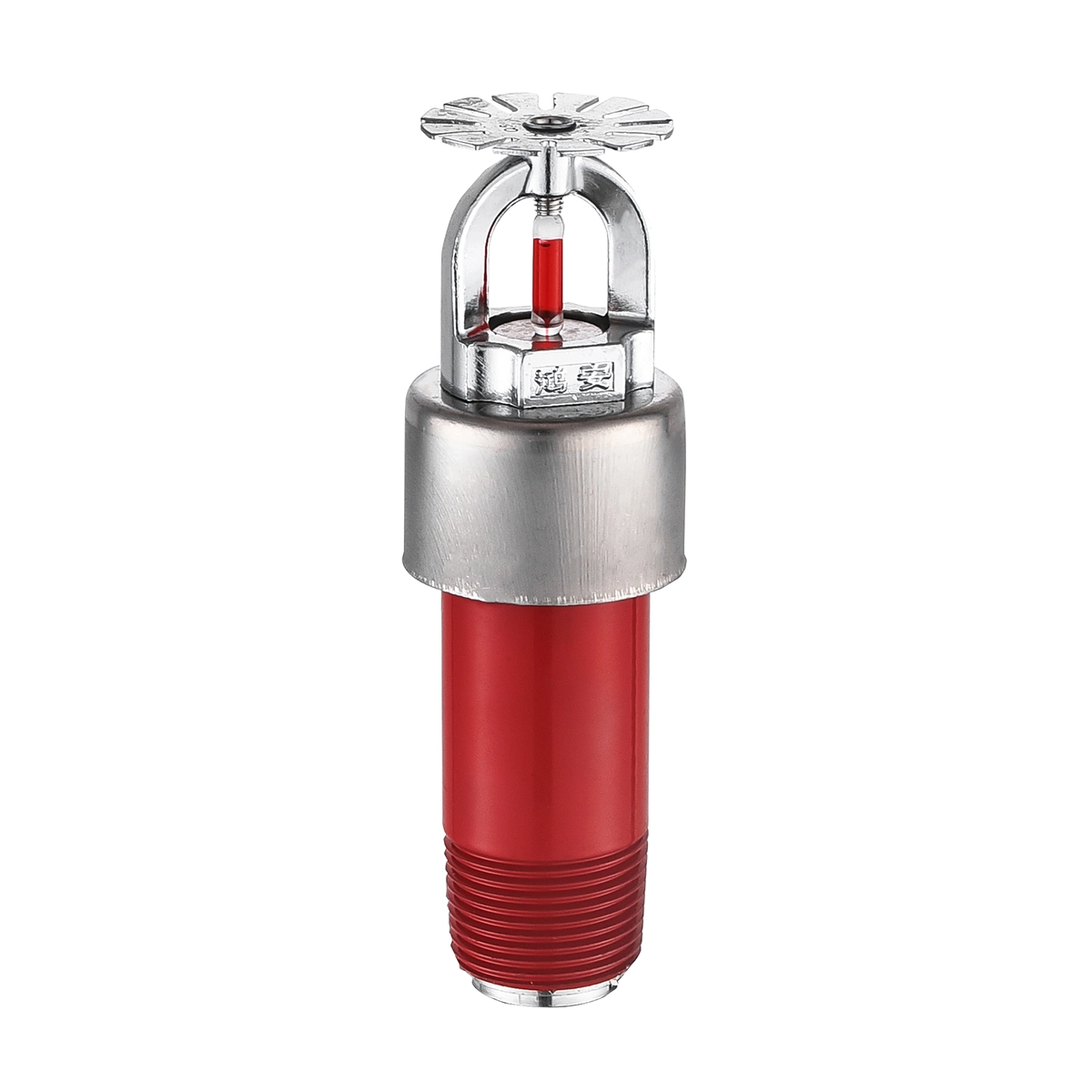
Standard response dry sprinklers use 5mm diameter glass bulbs, while quick response sprinklers use 3mm diameter glass bulbs. They are divided into three types: upright, pendant, and horizontal side spray. Typical applications for dry sprinklers include: 1. Locations where pendant sprinklers are required for dry systems. 2. Locations in wet systems where sprinklers and their connecting pipes may be exposed to unheated areas. 3. Locations where the fire system needs to be shut down seasonally and the pipe network must be drained to prevent freezing (e.g., buildings in tourist and resort areas that are not in operation during the winter, where the fire system must be drained to prevent freezing).
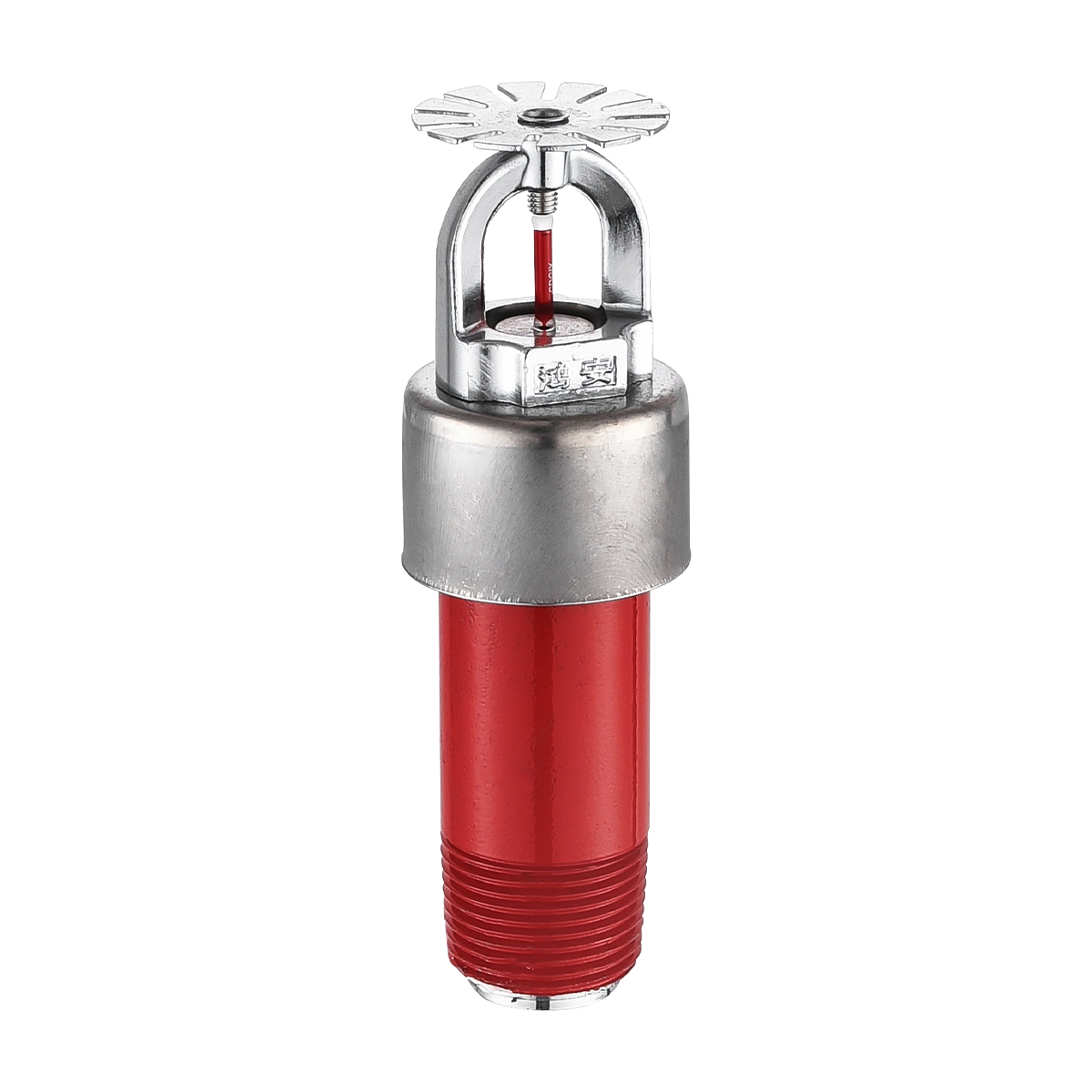
Standard response dry sprinklers use 5mm diameter glass bulbs, while quick response sprinklers use 3mm diameter glass bulbs. They are divided into three types: upright, pendant, and horizontal side spray. Typical applications for dry sprinklers include: 1. Locations where pendant sprinklers are required for dry systems. 2. Locations in wet systems where sprinklers and their connecting pipes may be exposed to unheated areas. 3. Locations where the fire system needs to be shut down seasonally and the pipe network must be drained to prevent freezing (e.g., buildings in tourist and resort areas that are not in operation during the winter, where the fire system must be drained to prevent freezing).
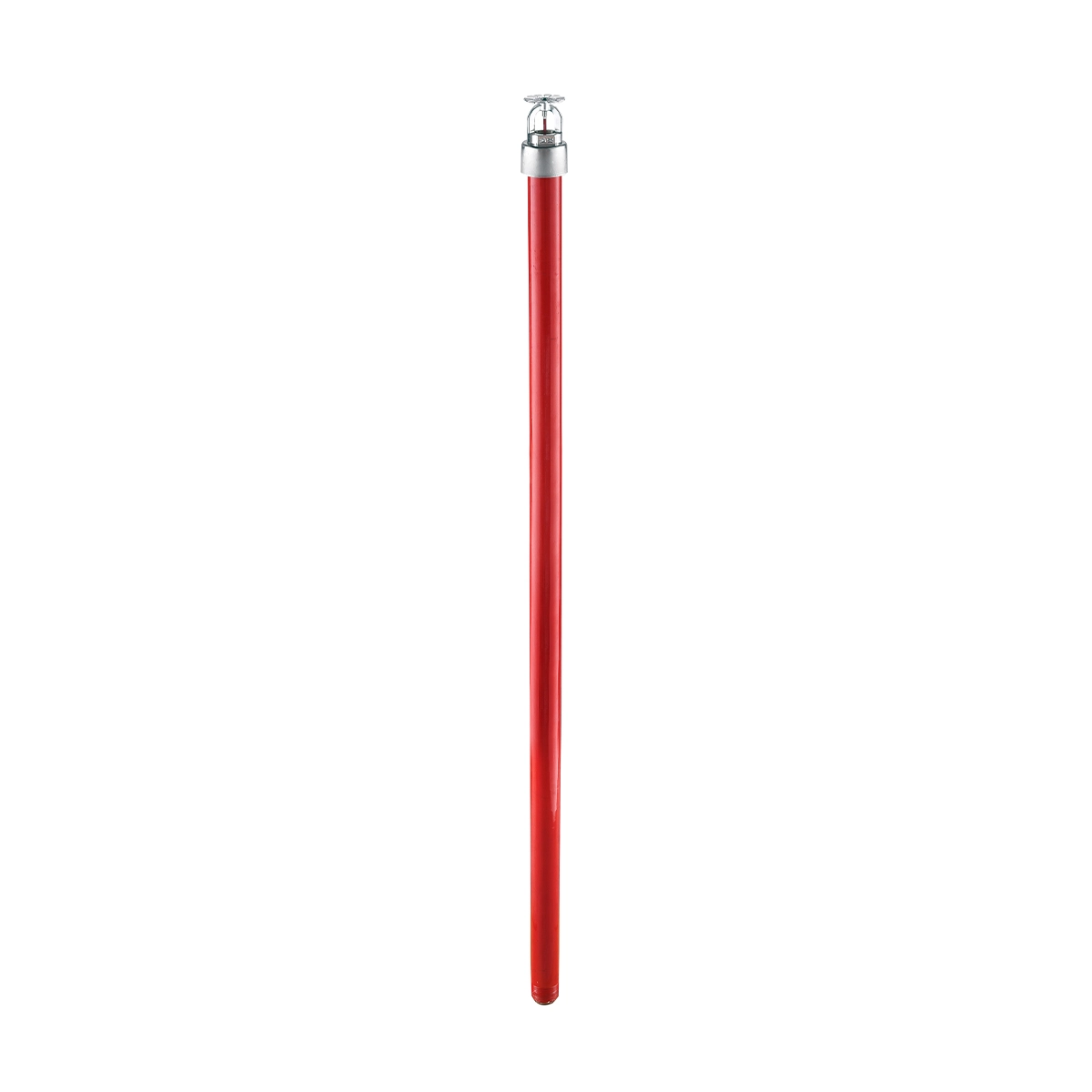
Standard response dry sprinklers use 5mm diameter glass bulbs, while quick response sprinklers use 3mm diameter glass bulbs. They are divided into three types: upright, pendant, and horizontal side spray. Typical applications for dry sprinklers include: 1. Locations where pendant sprinklers are required for dry systems. 2. Locations in wet systems where sprinklers and their connecting pipes may be exposed to unheated areas. 3. Locations where the fire system needs to be shut down seasonally and the pipe network must be drained to prevent freezing (e.g., buildings in tourist and resort areas that are not in operation during the winter, where the fire system must be drained to prevent freezing).
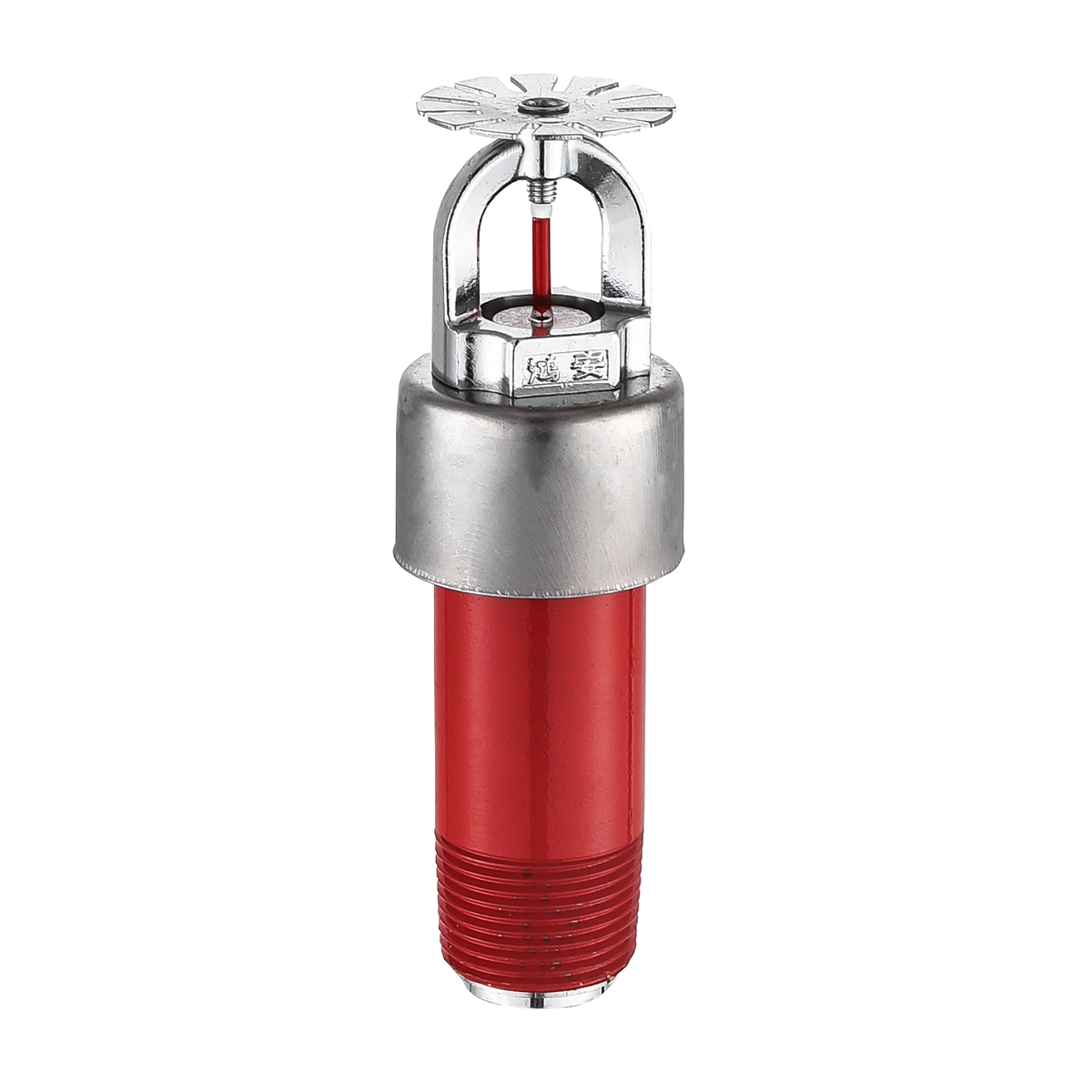
Standard response dry sprinklers use 5mm diameter glass bulbs, while quick response sprinklers use 3mm diameter glass bulbs. They are divided into three types: upright, pendant, and horizontal side spray. Typical applications for dry sprinklers include: 1. Locations where pendant sprinklers are required for dry systems. 2. Locations in wet systems where sprinklers and their connecting pipes may be exposed to unheated areas. 3. Locations where the fire system needs to be shut down seasonally and the pipe network must be drained to prevent freezing (e.g., buildings in tourist and resort areas that are not in operation during the winter, where the fire system must be drained to prevent freezing).
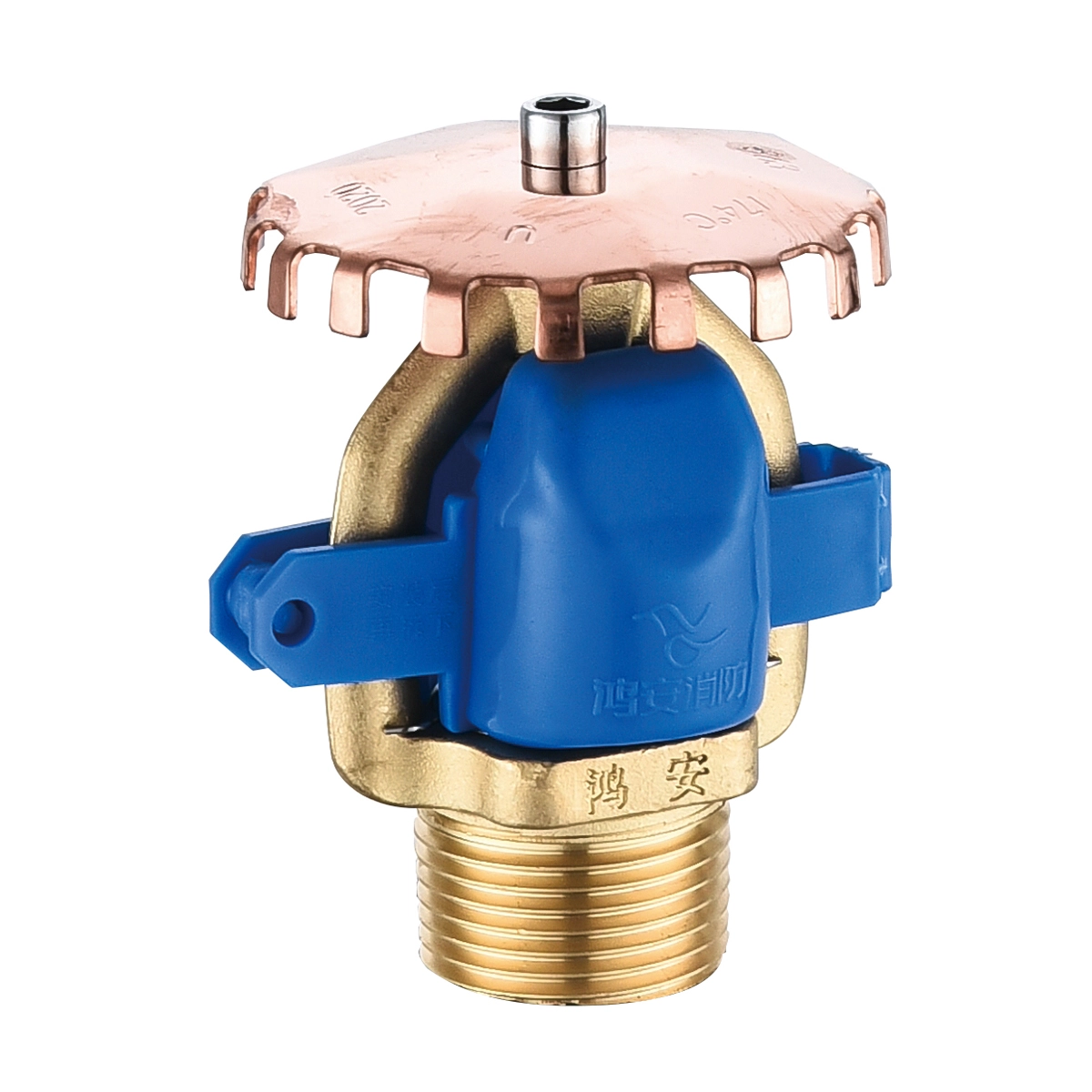
Early Suppression Fast Response (ESFR) sprinkler heads, with their fast response and high water flow rate, are capable of extinguishing high-risk fires in their early stages. These high-flow special sprinkler heads are designed for protecting high-piled and high-rack warehouses, specifically targeting high-risk warehouse fires.
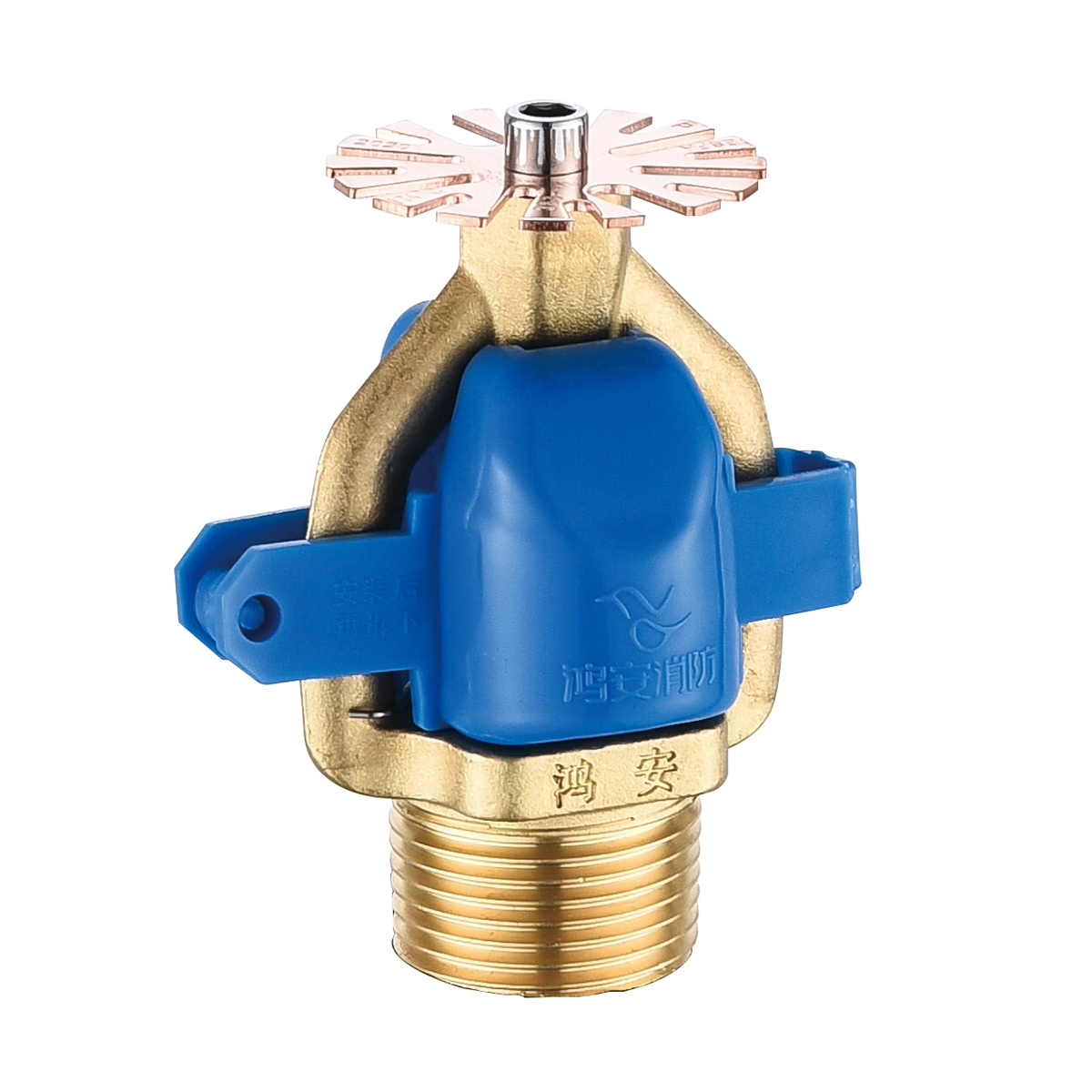
Early Suppression Fast Response (ESFR) sprinkler heads, with their fast response and high water flow rate, are capable of extinguishing high-risk fires in their early stages. These high-flow special sprinkler heads are designed for protecting high-piled and high-rack warehouses, specifically targeting high-risk warehouse fires.
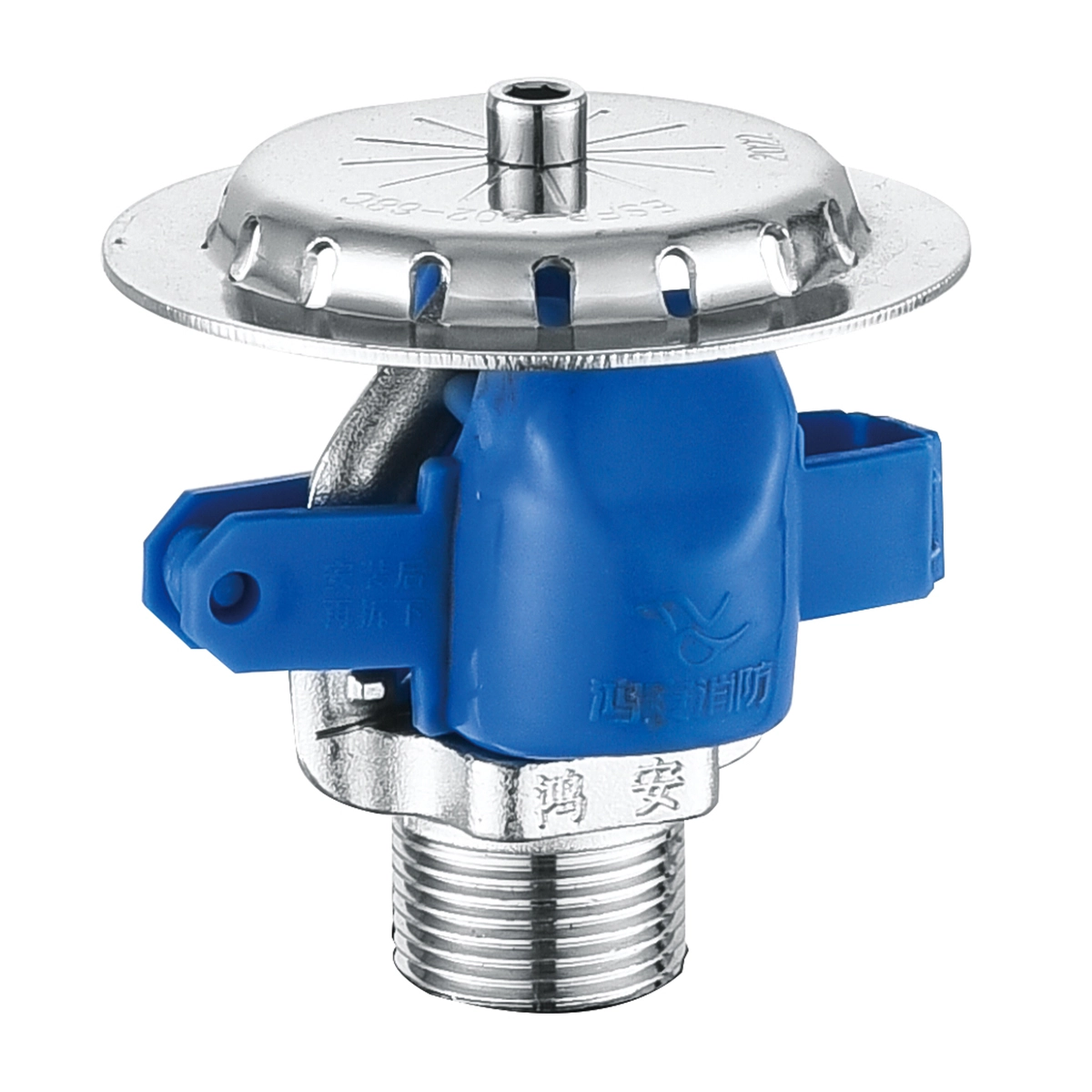
Early Suppression Fast Response (ESFR) sprinkler heads, with their fast response and high water flow rate, are capable of extinguishing high-risk fires in their early stages. These high-flow special sprinkler heads are designed for protecting high-piled and high-rack warehouses, specifically targeting high-risk warehouse fires.
Hongan Fire Equipment Co., Ltd.
No. 101, Nantong Road, Ximei Street, Nan'an City, Quanzhou City, Fujian Province
