
PRODUCTS CENTER
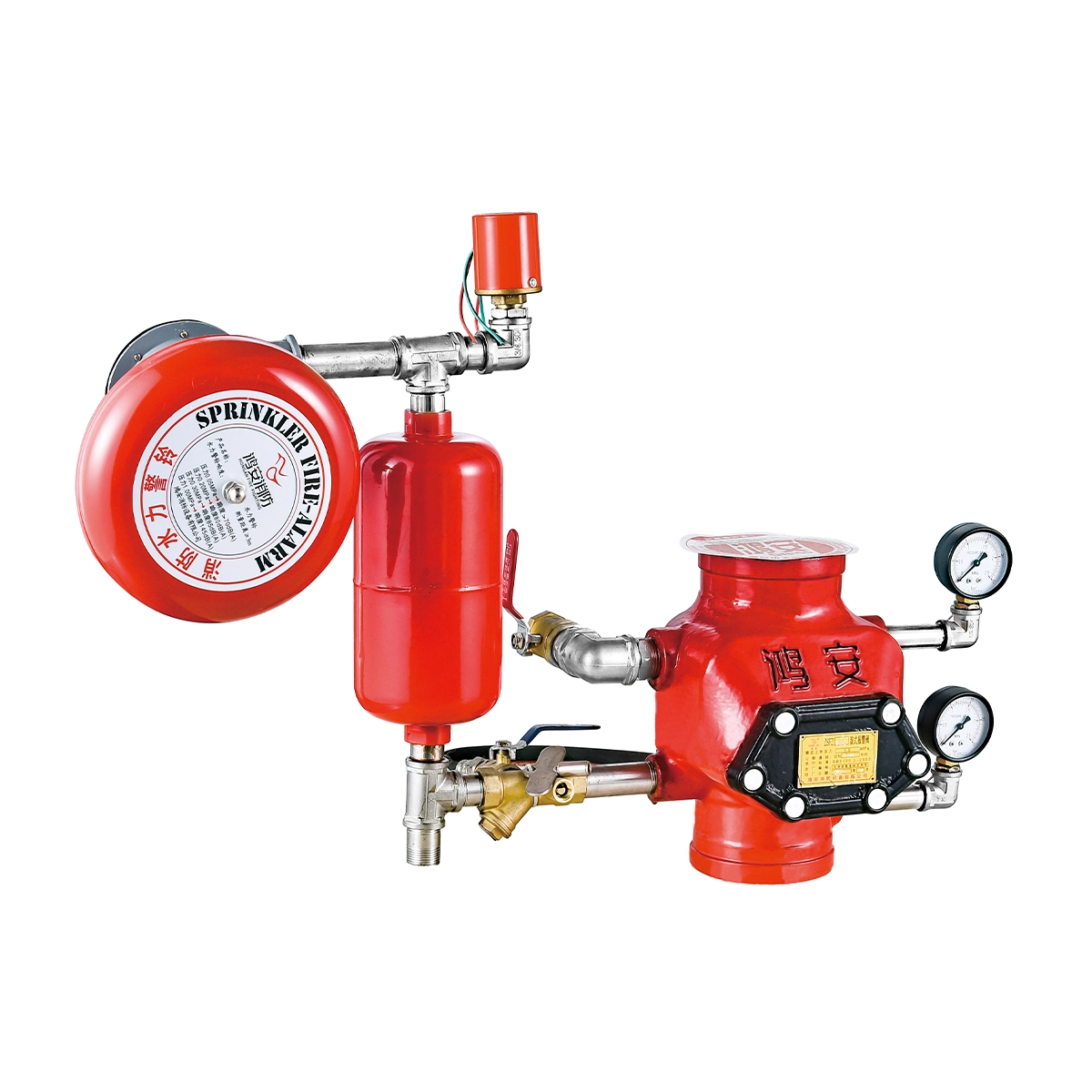
The wet alarm valve device is in a constant state of readiness, with the system side filled with water under working pressure. When a fire occurs in the control area of the automatic sprinkler fire extinguishing system, the heat-sensitive element in the closed sprinkler heads on the system network is heated and bursts, automatically spraying water. The system-side pressure of the wet alarm valve decreases, and under the action of the pressure difference, the valve automatically opens, and the water from the supply side flows into the system side to replenish the network, causing the entire network to enter an automatic water spray fire extinguishing state. At the same time, a small amount of water flows to the delay device and the hydraulic alarm through small holes on the seat ring. Under certain pressure and flow conditions, the hydraulic alarm sounds an alarm. The pressure switch converts the pressure signal into an electrical signal, starting the fire pump and auxiliary fire extinguishing equipment to replenish water and extinguish the fire. The network equipped with a water flow indicator also operates accordingly, outputting an electrical signal to allow the system control terminal to promptly detect the area where the fire occurred, achieving the purpose of automatic water spray fire extinguishing and alarm.
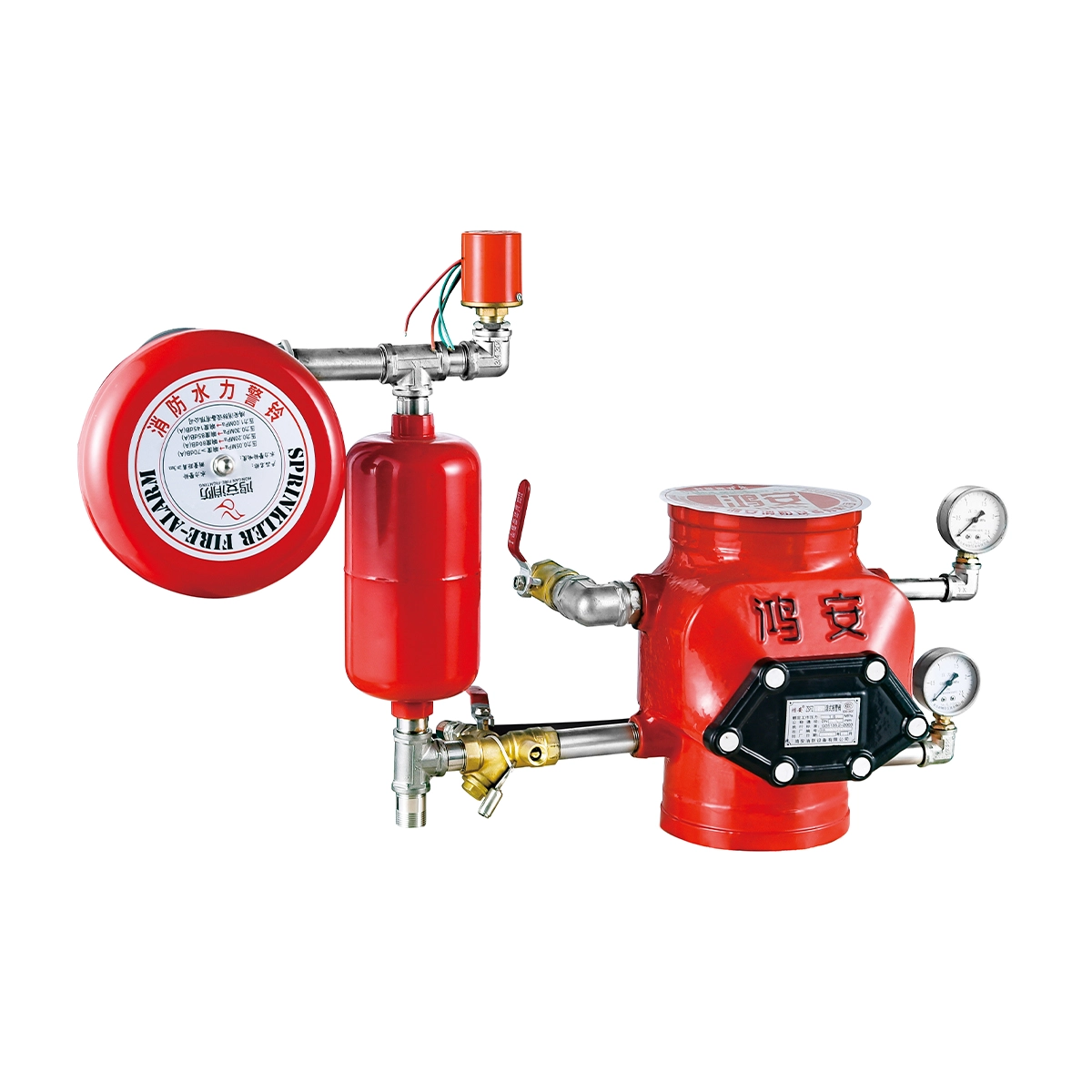
The wet alarm valve device is in a constant state of readiness, with the system side filled with water under working pressure. When a fire occurs in the control area of the automatic sprinkler fire extinguishing system, the heat-sensitive element in the closed sprinkler heads on the system network is heated and bursts, automatically spraying water. The system-side pressure of the wet alarm valve decreases, and under the action of the pressure difference, the valve automatically opens, and the water from the supply side flows into the system side to replenish the network, causing the entire network to enter an automatic water spray fire extinguishing state. At the same time, a small amount of water flows to the delay device and the hydraulic alarm through small holes on the seat ring. Under certain pressure and flow conditions, the hydraulic alarm sounds an alarm. The pressure switch converts the pressure signal into an electrical signal, starting the fire pump and auxiliary fire extinguishing equipment to replenish water and extinguish the fire. The network equipped with a water flow indicator also operates accordingly, outputting an electrical signal to allow the system control terminal to promptly detect the area where the fire occurred, achieving the purpose of automatic water spray fire extinguishing and alarm.
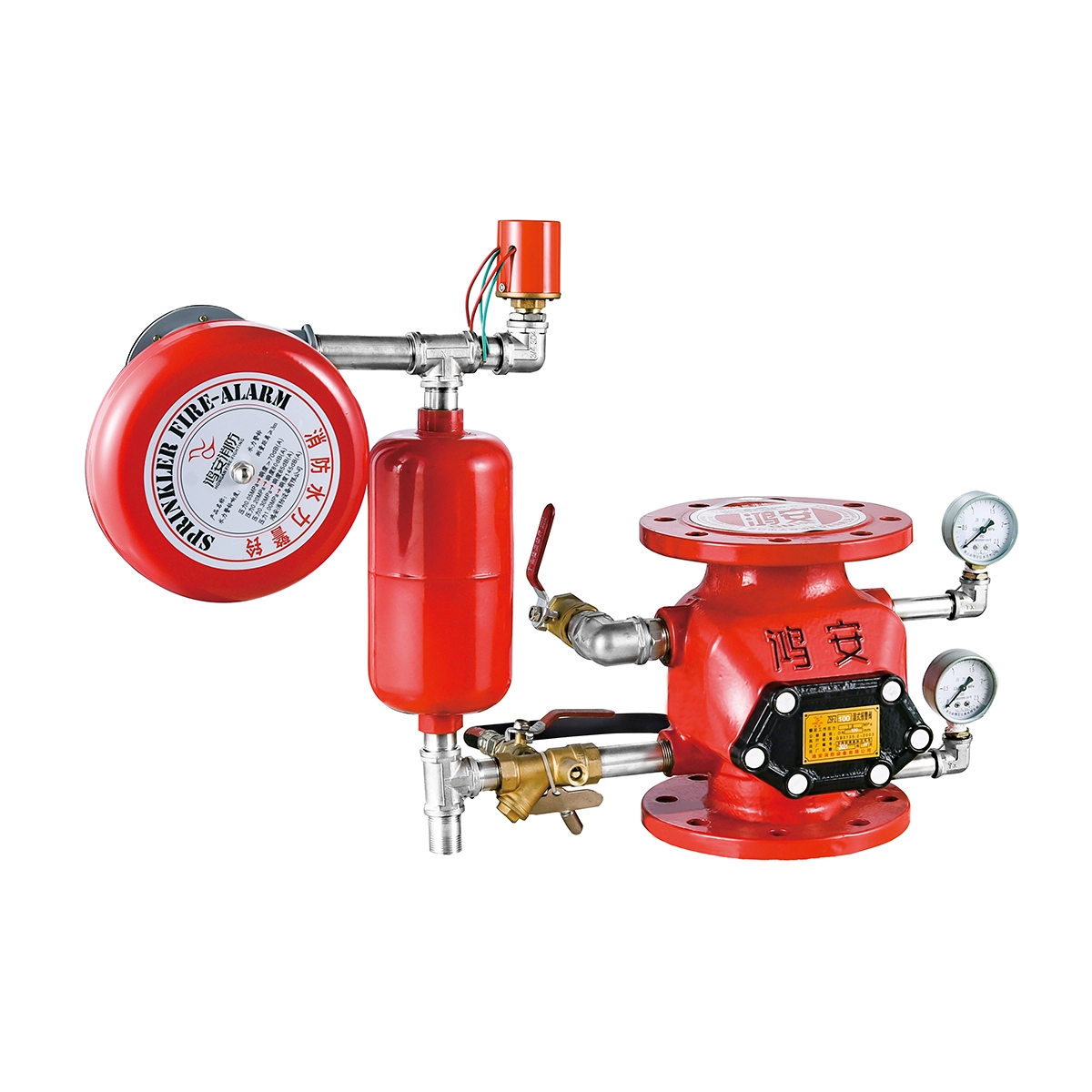
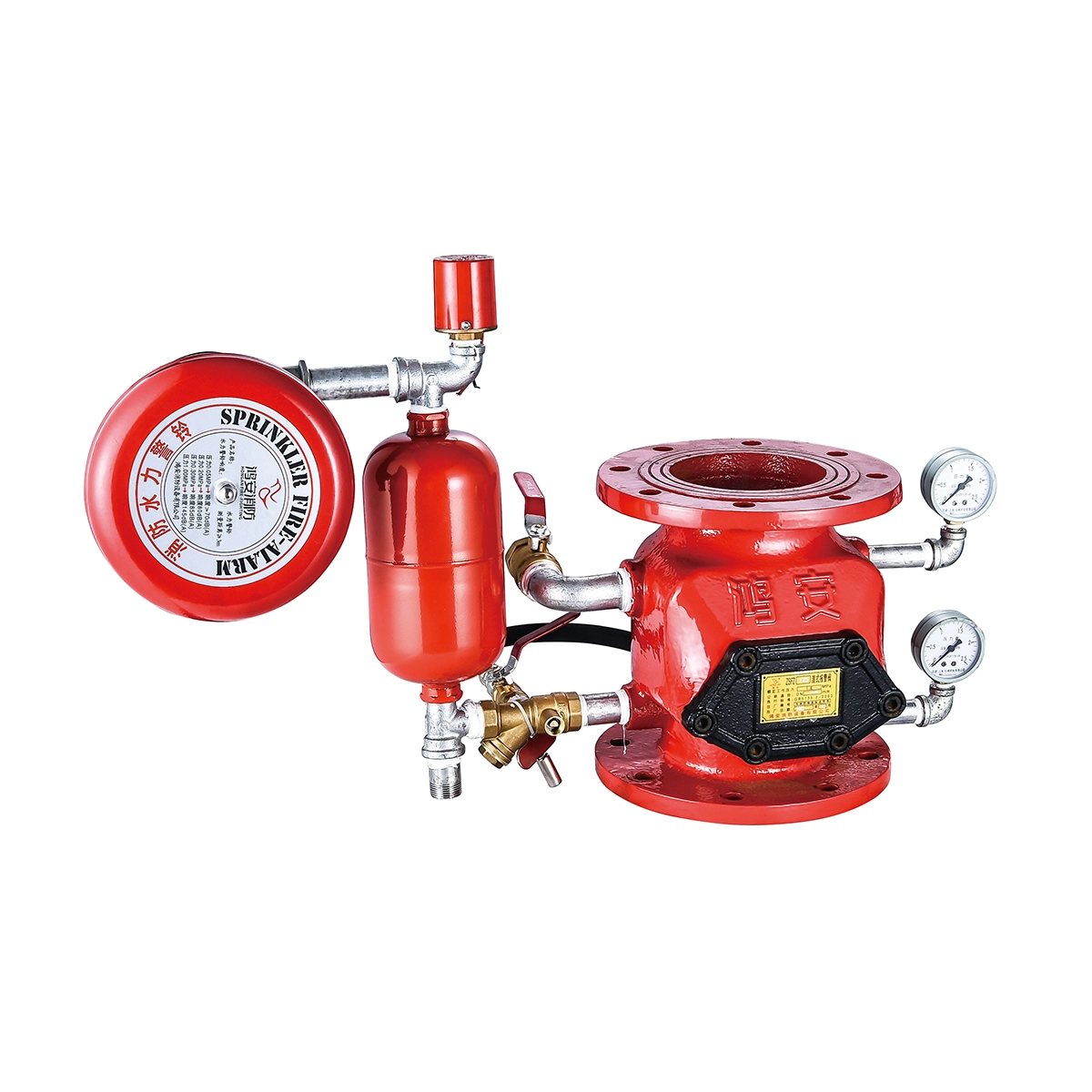
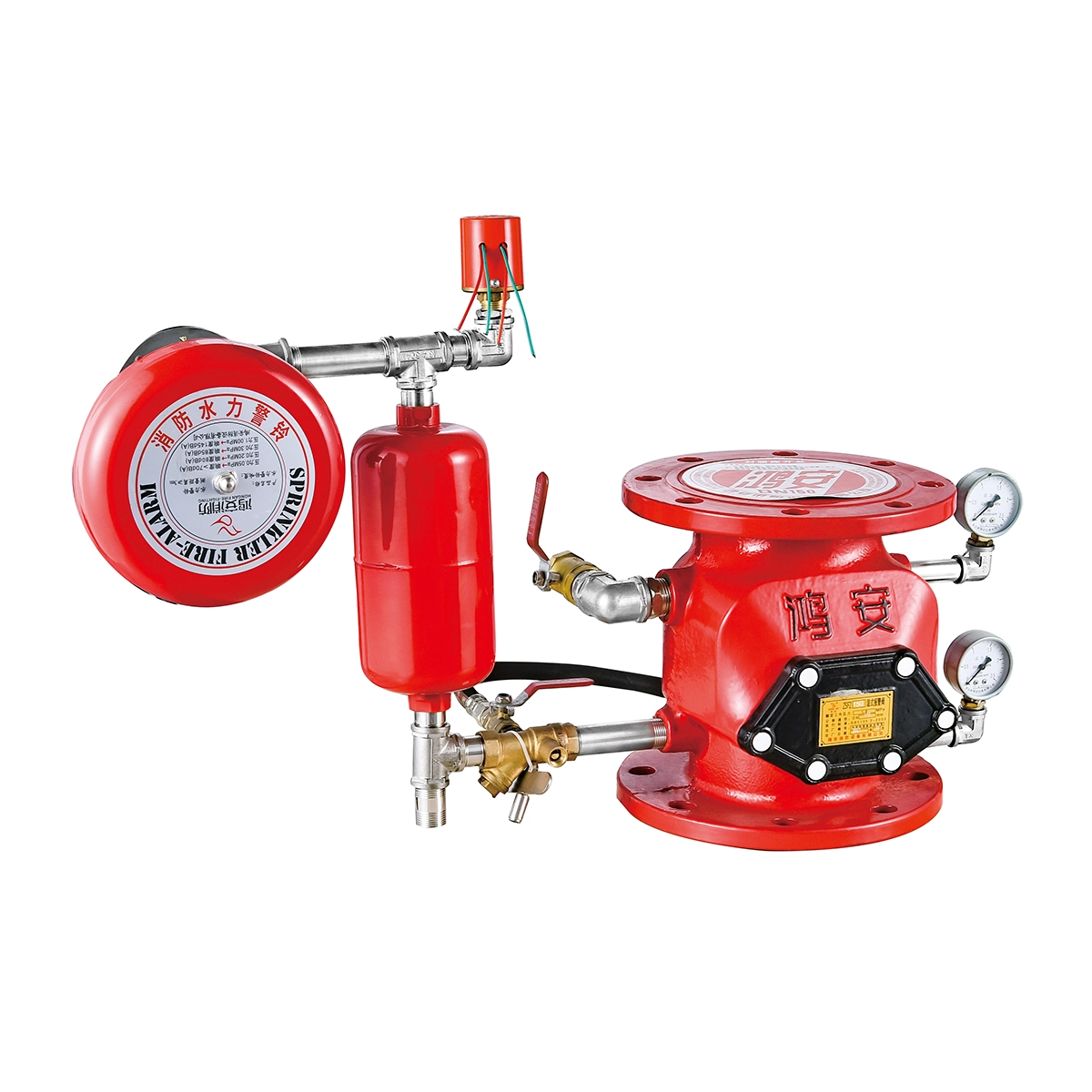
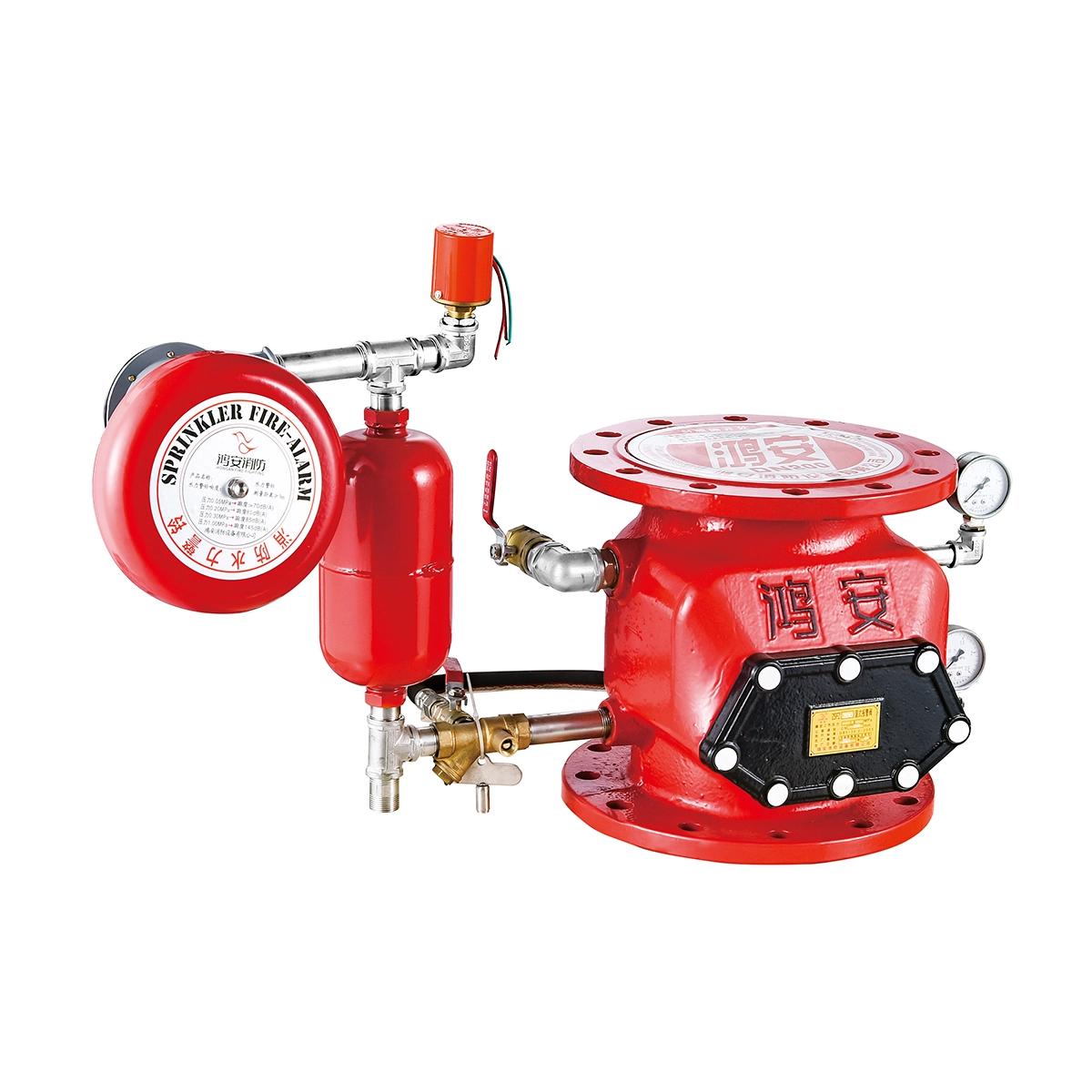
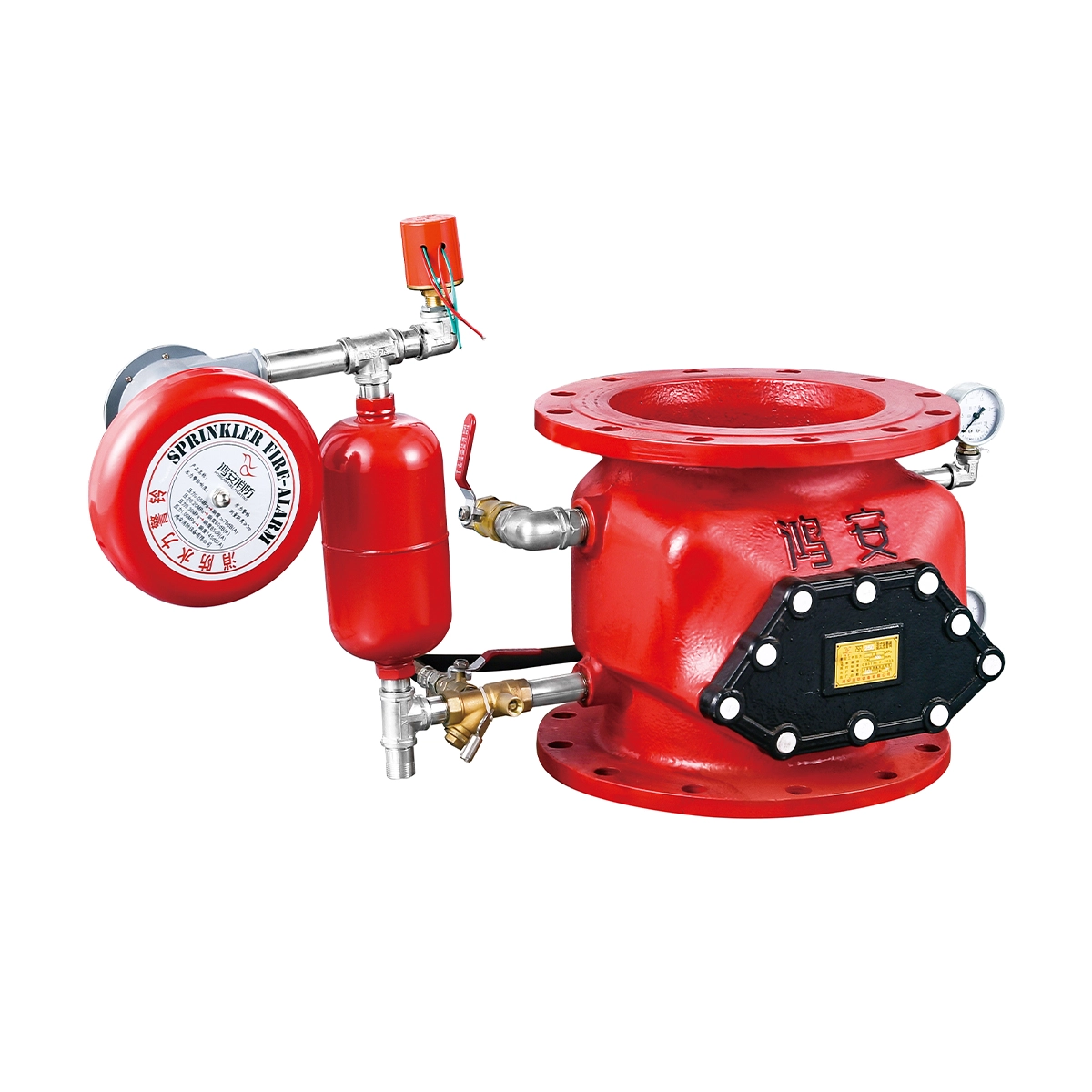
The ZSFZ wet alarm valve is a one-way valve that only allows water to flow into the sprinkler fire suppression system in one direction, and drives the associated components to alarm under specified pressure and flow rate. It forms a widely used wet automatic sprinkler fire suppression system together with a water flow indicator, a signal valve, a pressure switch, a sprinkler head, etc. This system is in standby operation for a long time, with the pipe network filled with pressurized water. When a fire occurs in the protected area, the ambient temperature rises, causing the temperature-sensitive element on the sprinkler head to activate, the sealing component falls off, and the system automatically starts, spraying water directly to the fire area and issuing an alarm signal to achieve the purpose of alarm, fire extinguishing, and fire control.
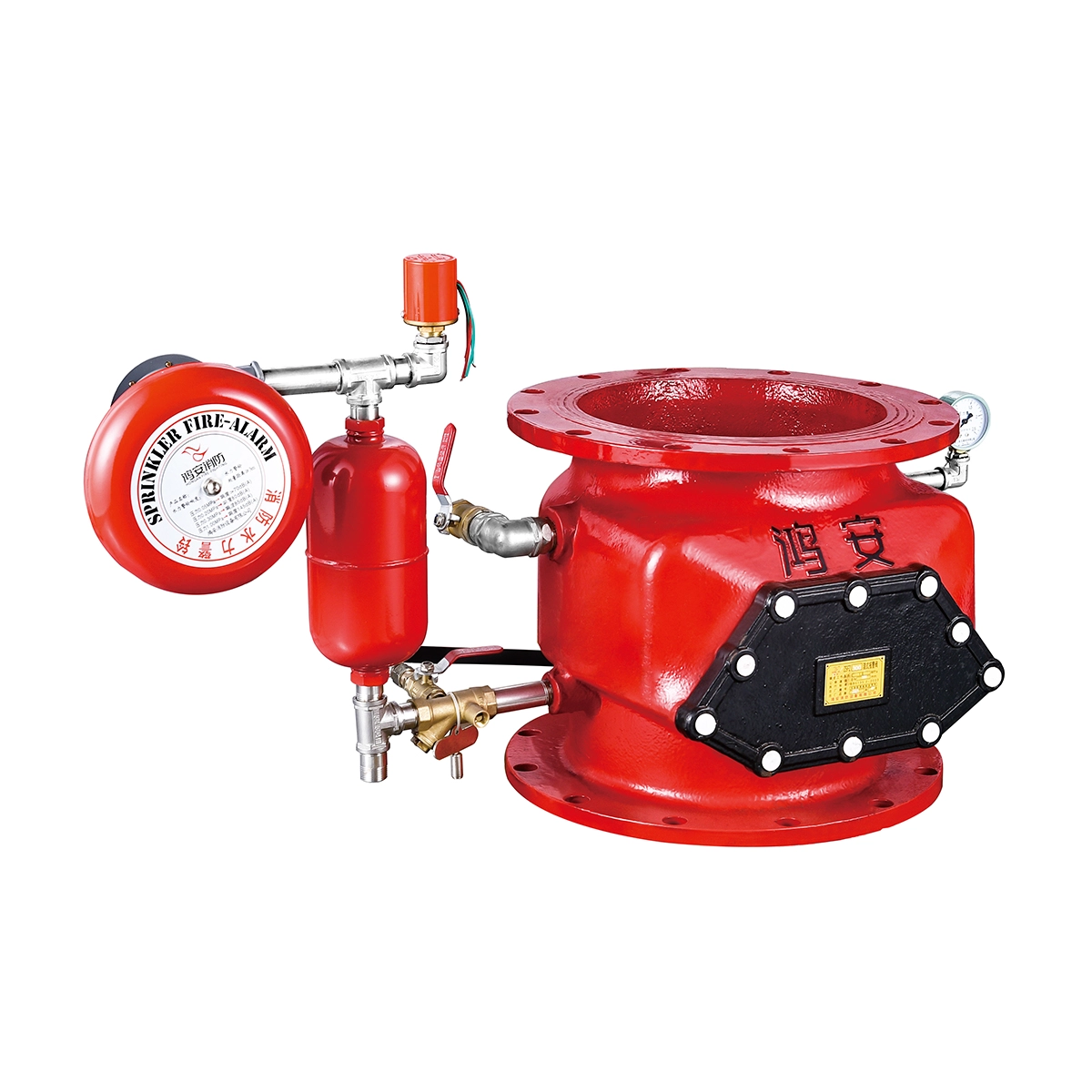
The ZSFZ wet alarm valve is a one-way valve that only allows water to flow into the sprinkler fire suppression system in one direction, and drives the associated components to alarm under specified pressure and flow rate. It forms a widely used wet automatic sprinkler fire suppression system together with a water flow indicator, a signal valve, a pressure switch, a sprinkler head, etc. This system is in standby operation for a long time, with the pipe network filled with pressurized water. When a fire occurs in the protected area, the ambient temperature rises, causing the temperature-sensitive element on the sprinkler head to activate, the sealing component falls off, and the system automatically starts, spraying water directly to the fire area and issuing an alarm signal to achieve the purpose of alarm, fire extinguishing, and fire control.
Hongan Fire Equipment Co., Ltd.
No. 101, Nantong Road, Ximei Street, Nan'an City, Quanzhou City, Fujian Province
